
A child can understand a text deeply, have thoughtful ideas, and still struggle to say those ideas aloud when a teacher starts the timer. For a parent, that gap can be unsettling. You may wonder whether shyness will lower their grade, whether you should push harder, or whether the IB is simply becoming too stressful.
The reassuring answer is that a quiet student does not need to become an extrovert to handle IB speaking assessments. They need familiarity with the task, secure subject knowledge, a repeatable structure, and gradual opportunities to practise speaking under manageable pressure. Parents can help most by creating calm conditions for that process without scripting answers, correcting every sentence, or turning home into another classroom.
Shyness itself is not a flaw or a diagnosis. The goal is not to change your child's personality. It is to help them communicate what they know when an oral assessment or presentation asks them to do so.
A quick parent checklist
When supporting a shy child with IB orals and presentations, focus on a few practical steps:
- Ask what part feels difficult: remembering content, being watched, answering follow-up questions, speaking in another language, or being graded.
- Confirm the exact task and assessment criteria with the subject teacher.
- Break practice into small stages instead of demanding a complete performance immediately.
- Encourage an outline rather than memorising a full script.
- Record short attempts and review only one improvement point at a time.
- Protect sleep, breaks, and normal family life during preparation.
- Contact the school if anxiety is persistent, severe, or disrupting daily functioning.
This approach replaces a vague command to “be more confident” with a process the student can actually follow.
First, find out what “shy” means in this situation
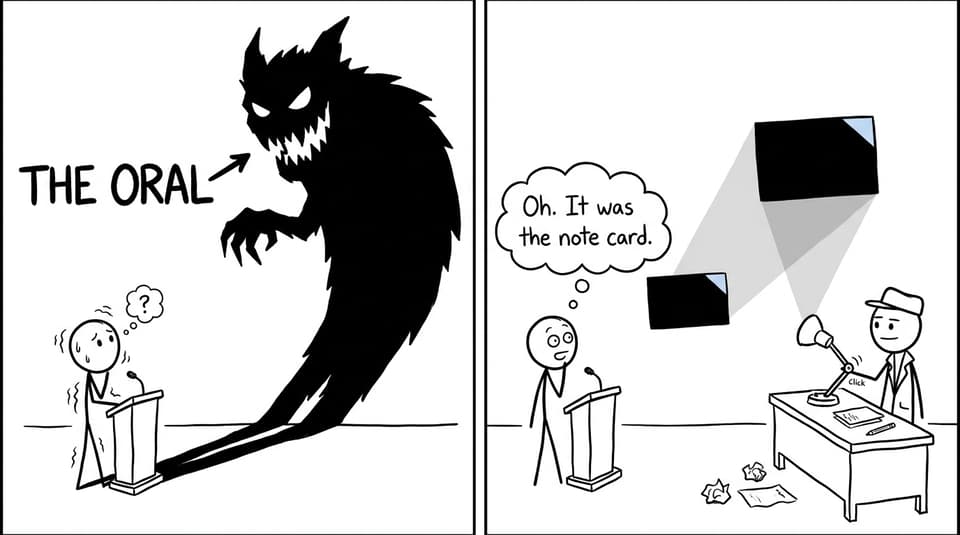
A student who rarely speaks in large groups may feel comfortable completing an individual oral with a familiar teacher. Another may speak freely with friends but freeze when assessed. A third may not primarily fear speaking at all; they may be uncertain about the material and afraid that follow-up questions will reveal a gap.
Ask neutral, specific questions:
- “Which moment worries you most?”
- “Would it help to practise the opening, the questions, or both?”
- “Do you know what the teacher will be assessing?”
- “Would you like me to listen, time you, or leave you to record it?”
Avoid beginning with “Why are you so nervous?” That wording can make nervousness sound like a personal failure. It is usually more productive to identify the part of the task that feels unpredictable.
The format also matters. For example, IB Language A individual orals involve prepared analysis followed by teacher questions, while Language B oral assessment includes both a presentation and interactive discussion. Students should use their current subject guide and teacher instructions because requirements vary by course and level. RevisionDojo's step-by-step IB English Individual Oral guide and Language B oral preparation tips can make those expectations less mysterious.
Build confidence through a speaking ladder
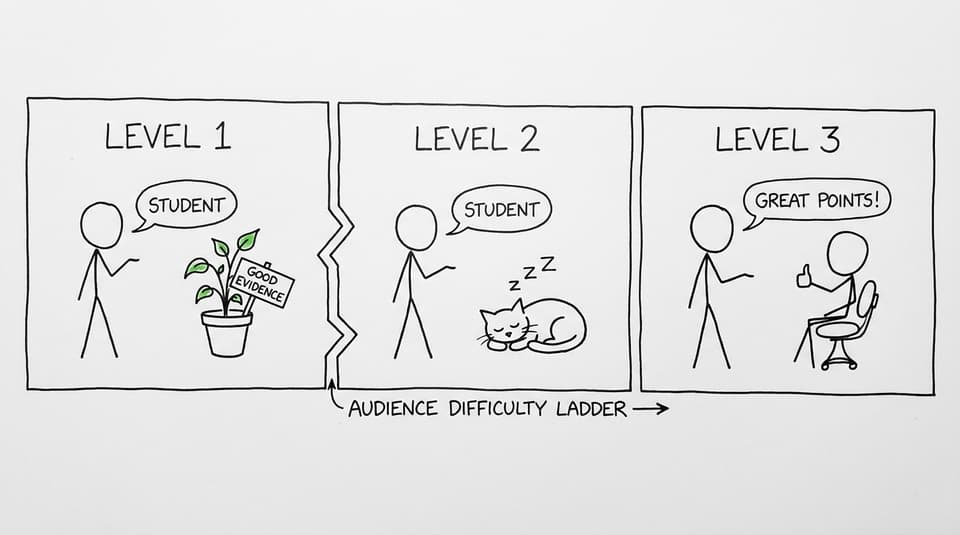
Telling a nervous student to deliver the entire oral repeatedly can backfire. The task remains large, and each attempt can feel like another judgment. A better approach is a gradual speaking ladder developed with the student.
One possible sequence is:
- Explain one idea aloud while alone.
- Record a 60-second opening without reviewing it immediately.
- Deliver two minutes to a parent who listens without interrupting.
- Present the full outline to one trusted person.
- Complete a timed attempt and answer one predictable question.
- Practise with a second listener or in a different room.
- Simulate the assessment and several follow-up questions.
Planned, gradual exposure is a well-established approach for helping young people confront feared situations. The important words are gradual and collaborative. The student should participate in choosing the next step, while the parent gently discourages complete avoidance.
Do not wait for anxiety to disappear before moving forward. The useful lesson is often that the student can speak while feeling nervous and still complete the task. For a more consistent routine, follow an IB oral practice schedule rather than relying on one exhausting rehearsal the night before.
Replace memorisation with a reliable structure
A fully memorised script can seem safe because it removes uncertainty. But if the student forgets one sentence, the missing line can feel like a trapdoor. Memorisation may also make follow-up discussion harder because the student has practised recitation rather than flexible thinking.
Encourage a compact map of the argument instead. Depending on the subject, that map might contain:
- the central claim or global issue
- two or three analytical points
- carefully selected evidence
- the effect or significance of each example
- links back to the main argument
- likely follow-up questions
The student should practise expressing the same point in slightly different words. That builds recovery skills. If they lose their place, they can return to the argument rather than searching mentally for one exact sentence.
The calm preparation plan for IB English oral assessments provides a useful starting framework. Students who need broader clarification about criteria can also use RevisionDojo's IB internal assessment guides alongside the instructions provided by their school.
Give feedback that a shy student can use
Feedback should make the next attempt clearer, not make the student feel observed from every angle. After a rehearsal, resist listing every weak transition, filler word, pronunciation slip, and missed opportunity.
Ask the student to reflect first:
- What felt easier than expected?
- Where did you lose the thread?
- Which part should we work on next?
Then choose one improvement target. It might be slowing the opening, making one analytical link more explicit, or pausing before answering questions. Specific feedback such as “Your second example needs a clearer connection to the global issue” is more useful than “You need to sound confident.”
Praise should also remain credible. Instead of declaring that the performance was perfect, notice an observable action: “You recovered after losing your place,” or “Your explanation was clearer on the second attempt.” This directs attention toward skills the student can repeat.
Practise the recovery moments, not just the ideal performance
Students often imagine that confident speakers never pause, forget a word, or need to restart. In reality, oral control includes knowing what to do when something goes wrong.
Help your child rehearse a few recovery moves:
- Pause, breathe out slowly, and look at the next outline prompt.
- Restate the central claim before continuing.
- Say, “Let me connect that back to the question.”
- Ask for a question to be repeated or clarified when appropriate.
- Begin an answer with the evidence they understand best.
A short pause usually feels longer to the speaker than it appears to the listener. Practising these moments reduces the fear that one stumble will ruin everything. RevisionDojo's guide to AI-supported oral presentation improvement can help students review structure and pacing between teacher feedback sessions.
Support without taking control
Parents naturally want to remove discomfort. Yet writing the opening, supplying every interpretation, or interrupting repeatedly can quietly communicate that the student cannot manage alone.
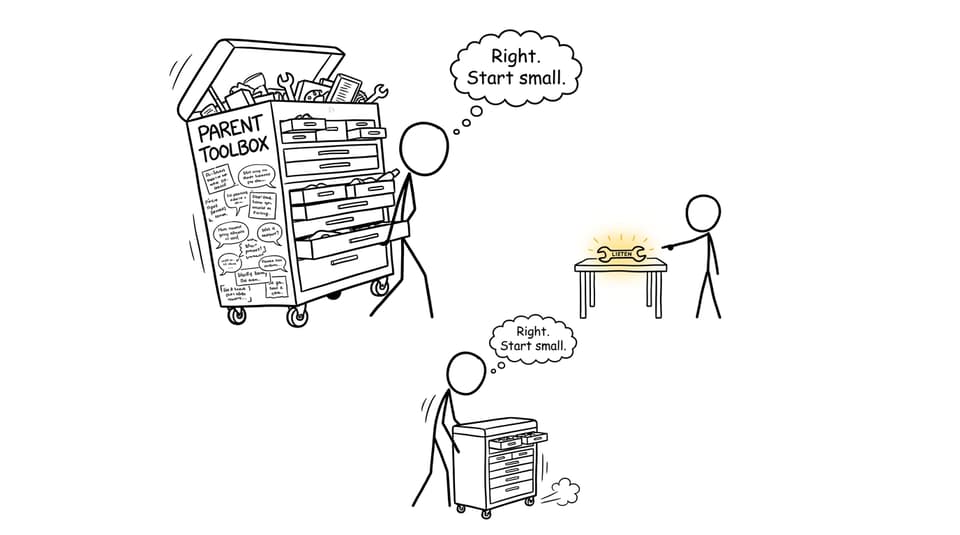
A better role is to provide structure around the work. Offer a quiet place, agree on a rehearsal time, listen when invited, and help protect the rest of the evening from endless practice. Ask whether your child wants comfort, feedback, or practical help before responding.
It also helps to keep the oral in proportion. Avoid frequent reminders about grades or university applications. The assessment matters, but making it feel like a verdict on the student's future increases the emotional weight of every sentence.
Families facing broader pressure may find RevisionDojo's guidance on supporting an anxious IB student and helping during exam season without adding pressure useful.
Know when ordinary nerves need more support
Some nervousness before an assessed presentation is understandable. Seek additional support when fear becomes persistent, causes repeated avoidance, produces significant physical distress, disrupts sleep or school attendance, or affects life beyond the oral itself.
Begin with the subject teacher, IB coordinator, school counsellor, or another appropriate member of the school's support team. They can clarify expectations, identify what they have observed, and discuss available support. If anxiety is severe or affecting daily functioning, consult a qualified health professional rather than treating it only as a study-skills problem.
Parents should take statements about deteriorating mental health seriously. RevisionDojo's IB mental health guidance for parents explains how to listen, reduce immediate pressure, and involve suitable support.
Subject mastery makes speaking feel less exposed
Confidence is not always something a student must create before beginning. Often it emerges after enough evidence accumulates: I understand this text. I can explain this concept. I have answered a question like this before.
That is where academic preparation and emotional reassurance meet. A student can use RevisionDojo's Study Notes to clarify a topic, Flashcards to strengthen recall, and the Questionbank to practise retrieving knowledge rather than merely rereading it. AI Chat can help untangle a confusing concept, while Grading tools, the Coursework Library, and Tutors provide additional feedback when independent practice is not enough. Predicted Papers and Mock Exams can support wider assessment readiness without making every home rehearsal about the oral.
The aim is not to fill every evening with more work. It is to replace uncertainty with targeted practice. The RevisionDojo IB resource hub brings these tools together so students can build the subject mastery that tends to make oral components feel less daunting.
A quiet student can still become a capable speaker
The most helpful change is usually not dramatic. It may be a one-minute recording today, a clearer outline tomorrow, and one successful answer to a follow-up question later in the week.
Stay calm, identify the specific barrier, and let practice expand in small steps. Listen more than you lecture. Praise recovery and preparation rather than personality or polish. Most importantly, help your child see that effective speaking does not require becoming the loudest person in the room. It requires knowing what they want to say, having a structure for saying it, and learning that a nervous voice can still communicate a strong idea.