
Exam season can turn a normal home into a high-stakes weather system.
One minute your teen is fine, the next they are staring at a formula sheet like it personally betrayed them. If you are a parent, your instinct is to fix it: remind them, push them, organise them, motivate them. But most IB students do not need louder motivation. They need steady ground.
This post is Exam Advice for IB students in the weeks that matter most: the kind that helps parents support without accidentally becoming a second exam. The goal is simple: reduce friction, protect confidence, and keep your teen moving.
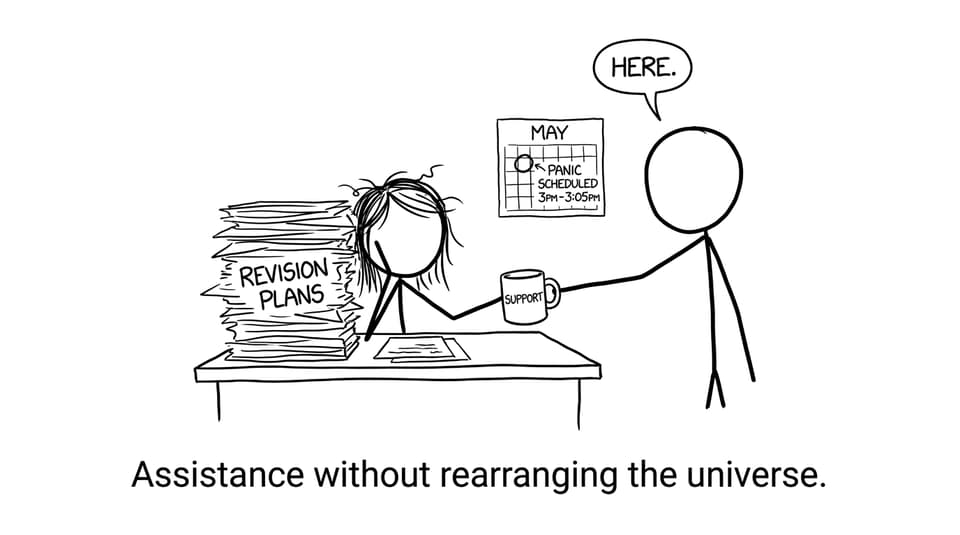
A quick checklist parents can use (without turning into a manager)
Keep this list on the fridge. It is deliberately boring; boring works.
-
Create one reliable study-friendly space (light, quiet, charger, water)
-
Ask one open question per day, then step back
-
Protect sleep and meal rhythms like they are part of the syllabus
-
Offer tools (snacks, printer, timer) without attaching demands
-
Praise effort and process, not only results
-
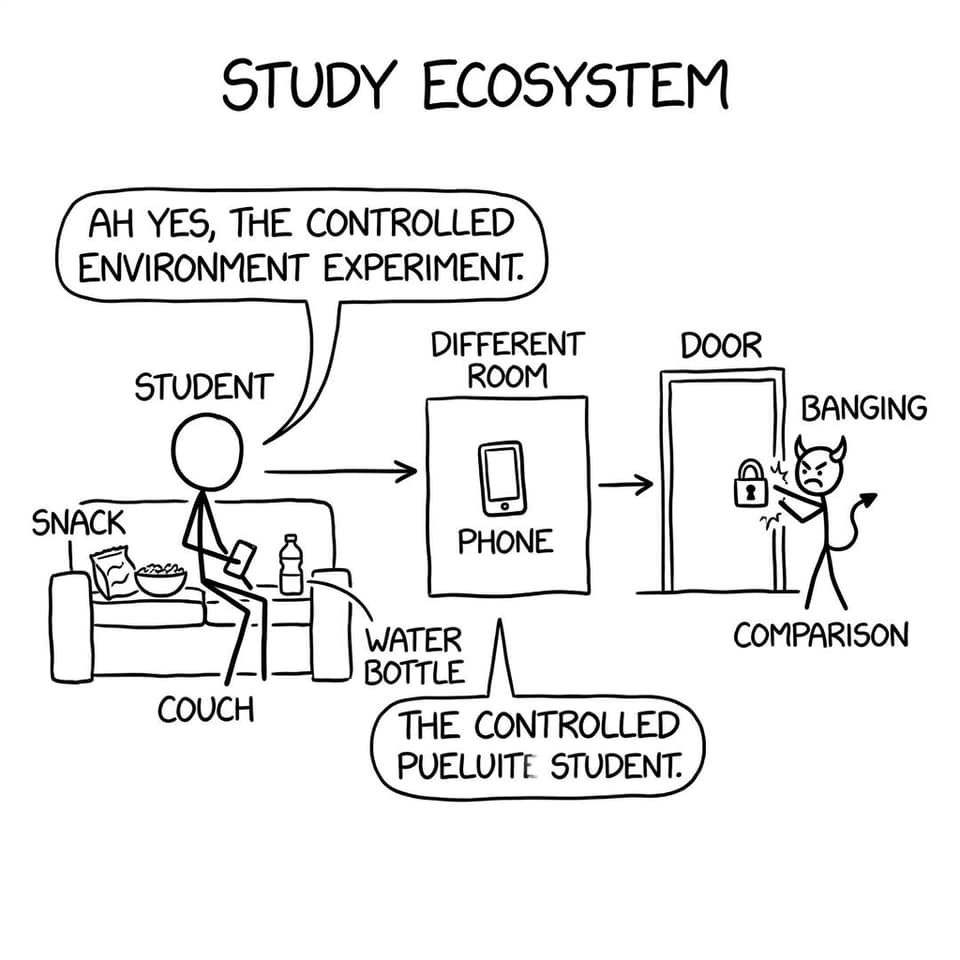
Keep comparison out of the house (siblings, friends, online score stories)
-
Help them practice under time pressure once or twice a week
If your teen is already using RevisionDojo, you can support the system they have: Study Notes for clarity, Flashcards for daily recall, Questionbank for exam-style practice, AI Chat for quick explanations, Grading tools for feedback, plus Predicted Papers and Mock Exams for realistic timing.
Why your calm matters more than your reminders
IB exams test knowledge, yes. But they also test decision-making while tired.
That is where parents quietly shape outcomes. A calm household does not magically create a 45/45. It creates something more practical: fewer emotional spikes, fewer lost evenings, fewer spirals that begin with a small setback and end with “I am terrible at this subject.”
The best Exam Advice for parents is to treat revision like training. Training needs consistency, recovery, and feedback. It does not need daily speeches.
If your teen is overwhelmed, it can help to share one short article that normalises the chaos, like How to Stay Sane During IB Exam Season. Sometimes students relax simply because someone else has named the experience.
Exam Advice that actually reduces pressure (and still helps marks)
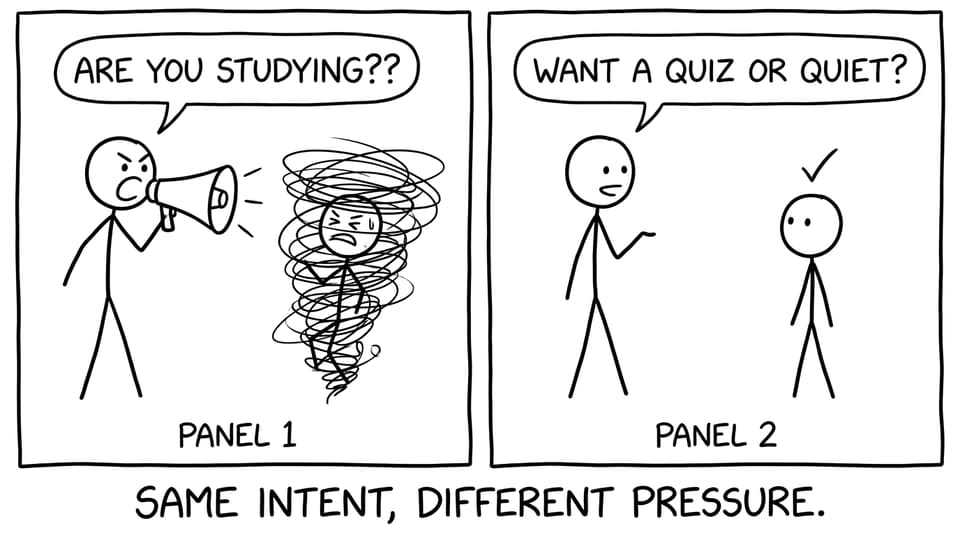
Ask, then offer two choices
Most teens interpret repeated check-ins as surveillance, even when you mean love. Swap monitoring for choice.
Try:
-
“Do you want a quiz, or do you want quiet?”
-
“Do you want me to handle dinner tonight, or would a short walk help?”
Choice restores control. Control lowers stress. Lower stress improves focus.
If they pick “quiz,” make it concrete: they can use IB Flashcards with Spaced Repetition on RevisionDojo and you can simply ask them to explain a few cards out loud. You do not need to understand the topic to be useful. You are just providing an audience.
Build an environment, not a schedule
Teen brains often push back against parent-designed timetables, especially during exam season. Instead, build the environment that makes studying easier to start.
Helpful parent moves:
-
Keep a consistent “quiet hour” in the house
-
Handle small logistics (printer ink, stationery, transport)
-
Put snacks and water within reach
-
Encourage phone-out-of-room study blocks
If your teen needs a revision structure, point them toward a simple loop rather than a huge plan. RevisionDojo teaches that loop well in How to Study for IB Exams: Step-by-Step Guide and reinforces it with connected tools.
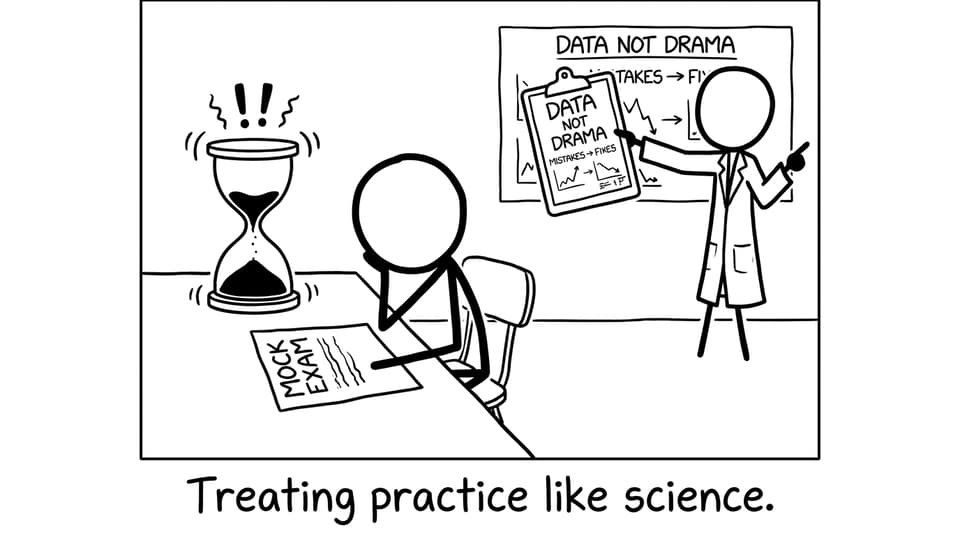
Make practice feel like evidence, not judgement
The most powerful Exam Advice you can give a student is: “Let practice show you what to do next.”
A weekly rhythm that works:
-
Short daily recall (Flashcards)
-
Several topic blocks (Study Notes then Questionbank)
-
One timed session (Mock Exams or Predicted Papers)
If your teen has never trained timing, they can read How 45-Point IB Students Prepare for Exams to see what “calm under pressure” looks like in practice.
Praise the smallest wins you can honestly name
During exams, confidence is built in tiny units.
Instead of “You will do great,” try:
-
“I saw you start on time today.”
-
“You stayed with a hard question instead of avoiding it.”
-
“You reviewed your mistakes; that is what improves marks.”
That last line matters because reviewing mistakes is a skill. RevisionDojo bakes this into the experience through feedback and analytics in its Questionbank, and it is one reason students like the structured approach in How to Study for IB Exams Without Burning Out.
Keep coursework stress from leaking into everything
Many IB students are not only studying. They are also carrying lingering coursework anxiety.
If coursework is still on their mind, encourage bounded feedback cycles: draft, get feedback, apply top fixes, stop. RevisionDojo’s Coursework feature hub and its Grading tools and Coursework Library help students avoid endless, emotional rewrites.
What to avoid (even if it feels responsible)
-
“Have you studied?” asked repeatedly; it becomes background pressure
-
Comparing them to siblings or classmates; it triggers shame and defensiveness
-
Turning every conversation into strategy; they start avoiding you
-
Adding new systems late; new apps, new planners, new methods create friction
If your teen is stuck in the “I study all day but nothing sticks” feeling, send them IB: I Study All Day but Remember Nothing. It reframes the problem without blaming the student.
A closing thought (and a practical next step)
The quiet truth of IB exam season is that your teen will remember less of the content than you think, and far more of the atmosphere than you expect.
So make the atmosphere steady.
If you want one simple action today, offer this Exam Advice: “Let’s set you up to do one clean study block, then you can stop.” Then help them run it using RevisionDojo: review one slice of Study Notes, do a targeted set in the Questionbank, lock key facts with Flashcards, use AI Chat to unblock confusion, and finish the week with Mock Exams or Predicted Papers. Support, not pressure, is what keeps that loop alive.