


IB oral practice schedule: why it works when motivation doesn't
A strange thing happens when you start speaking out loud for IB: your best ideas shrink. Not because they were wrong, but because speaking is a different sport than writing. You can hide behind a paragraph. You can’t hide behind a pause.
That’s why an IB oral practice schedule matters. Not a heroic one. A repeatable one. The goal is simple: make speaking feel normal long before assessment day. When you practise regularly, your fluency improves, your structure gets cleaner, and you stop treating confidence like something you either “have” or “don’t.” In IB, confidence is usually just familiarity.
A weekly IB oral practice schedule (quick checklist)
Use this as your baseline IB routine:
-
3 short speaking sessions/week (12-20 minutes each)
-
1 feedback session/week (10 minutes: listen, tag, fix)
-
1 discussion simulation/week (5-10 minutes of follow-up questions)
-
Everything recorded (phone audio is enough)
If you want prompts and exam-style practice to rotate in, keep RevisionDojo open: the Questionbank gives you endless practice material, Study Notes keep your content accurate, and Flashcards help you keep key phrases ready on demand.
How to run each IB speaking session (12-20 minutes)
Set up the timer like it’s the examiner
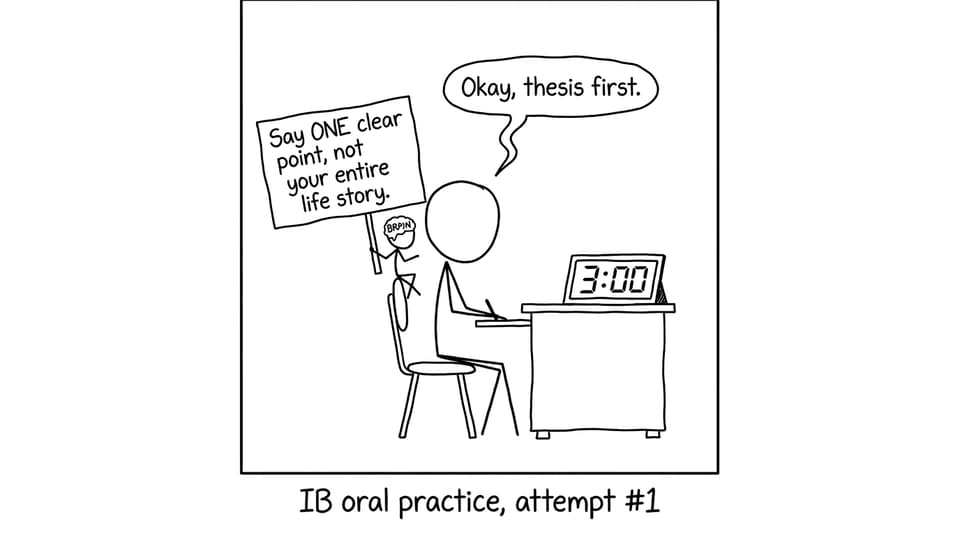
Speaking drifts when time is infinite. In IB orals, time is the container that creates structure. Pick a format and stick to it:
-
2 minutes planning (bullet points only)
-
3-4 minutes speaking (clear intro, 2 points, mini wrap-up)
-
2 minutes reflection (one thing to keep, one to fix)
For Language B, use stimulus-style prompts and check your timing against guidance like 10 Proven Tips to Prepare for Your IB Language B Oral Exam and Boost Your Score.
Rotate focus: Language B, TOK, English IO
A good IB oral practice schedule builds adaptable skill, not just one script.
-
Language B speaking: practise describing, interpreting, and extending ideas beyond the image or prompt. Build phrase-level vocabulary and cultural links using Mastering Language B Oral Practice and How to Improve Your Language B Speaking Skills.
-
TOK speaking: practise short, clear reasoning. One claim, one example, one counterclaim. If your thinking gets abstract, ground it with practical structure from Comprehensive Guide to IB ToK Presentation Tips and avoid the traps in Common Mistakes in the IB TOK Presentation.
-
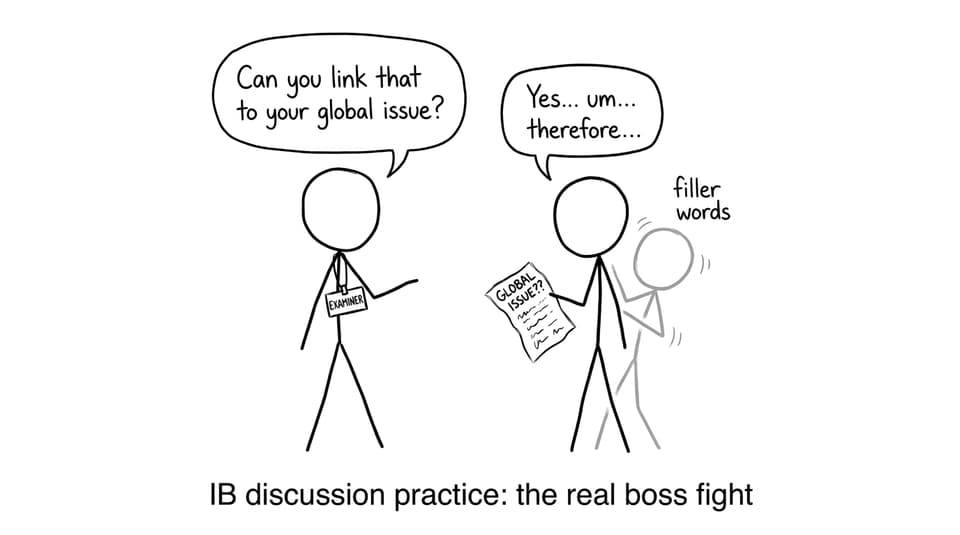
English IO drills: train the 10-minute flow: global issue, extract analysis, then link outward. For exam-aligned rehearsals, use IB English Individual Oral: Strategies + Practice Tools and build technique with Notes for Tips for Practicing - IB.
The feedback loop that makes IB speaking improve fast
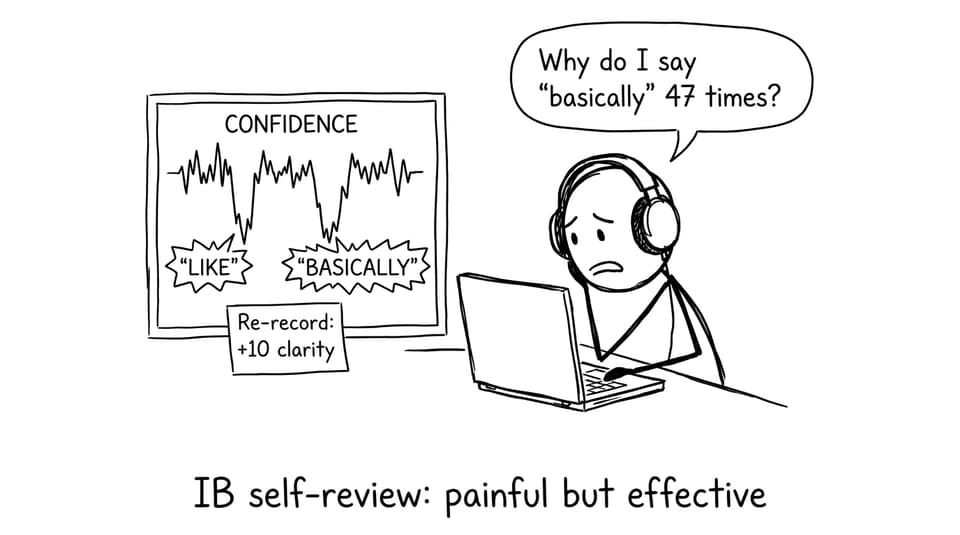
Recording is the cheat code. Not because it’s fun. Because it’s honest.
After each session:
-
Listen once without stopping
-
Mark timestamps for: unclear thesis, weak link, filler words, rushed ending
-
Re-record the same task immediately (aim for one improvement, not perfection)
On RevisionDojo, you can pair this with AI Chat to diagnose patterns quickly (“Why is my link to the global issue vague?”), and use Grading tools when you need rubric-aligned feedback that doesn’t rely on guesswork. If you want the full platform loop, see RevisionDojo App: The Smarter Way to Prep for IB Exams.
FAQ
How many sessions per week are ideal for IB oral improvement?
For most IB students, three focused speaking sessions per week is the sweet spot because it builds consistency without burning time you need for other subjects. The hidden benefit is that frequent short sessions reduce anxiety, since you stop treating speaking as a rare performance. If you do one long session a week, you usually spend half of it “warming up” and the other half feeling frustrated. Short sessions also make feedback easier: you can spot one or two recurring issues and fix them immediately. Over a month, that compounds into real fluency gains. Keep the sessions timed so your structure becomes automatic.
Do I need a partner to practise for IB orals?
You don’t need a partner to improve in IB, because solo practice trains clarity, structure, and pacing. Recording yourself gives you the kind of objective feedback a partner often can’t provide in the moment. That said, a partner becomes valuable for the discussion phase: follow-up questions, interruptions, and pressure. A good compromise is solo practice most days, then one weekly discussion simulation with a friend, classmate, or tutor. If that’s hard to arrange, use RevisionDojo’s Tutors when you want a human who can push your thinking and your delivery. The key is to practise the “unexpected question” feeling at least sometimes.
Should IB oral practice always be timed and recorded?
Yes, because timing and recording turn practice into measurable improvement in IB. Timing forces you to make choices: what matters most, what can be cut, what needs a clearer signpost. Recording keeps you honest about clarity, pace, and filler words, which are almost impossible to judge while you’re speaking. Even a quick voice memo is enough. Over time, recordings become your progress tracker: you can literally hear your arguments tighten. If you skip recording, you rely on memory, and memory is generous in the wrong ways. Record, review, re-record: that loop is where confidence comes from.
Closing: make IB speaking a habit, not a gamble
The best IB oral performances don’t sound perfect. They sound prepared. A steady IB oral practice schedule makes your voice familiar with pressure, your brain familiar with structure, and your delivery familiar with time.
If you want a system that supports that habit daily, RevisionDojo brings it together in one place: Study Notes for content, Flashcards for key phrasing, Questionbank for prompts, AI Chat for fast fixes, Mock Exams and Predicted Papers for realism, plus Grading tools, a Coursework Library, and Tutors when you need deeper feedback. Your next step is simple: schedule your first 15-minute speaking session today, then let the routine do the heavy lifting.