



The moment IB Visual Arts stops being “just art”
There’s a specific kind of silence that happens when you realize your sketchbook isn’t a sketchbook anymore. It’s evidence. Every thumbnail, crossed-out idea, and awkward experiment has suddenly become part of your grade.
That’s the quiet power of IB Visual Arts: it asks you to create like an artist and think like a researcher at the same time. If you’re preparing for deadlines (and trying to protect your sanity), a clear syllabus map can feel like finding a light switch in a dark studio.
This guide gives you a practical overview of the IB Visual Arts syllabus so you can plan, make, document, and present your work with less panic and more intention.
IB Visual Arts at a glance (save this checklist)
Use this as your weekly “am I on track?” anchor for IB Visual Arts:
-
Build context: study artists, cultures, and intentions (not just styles)
-
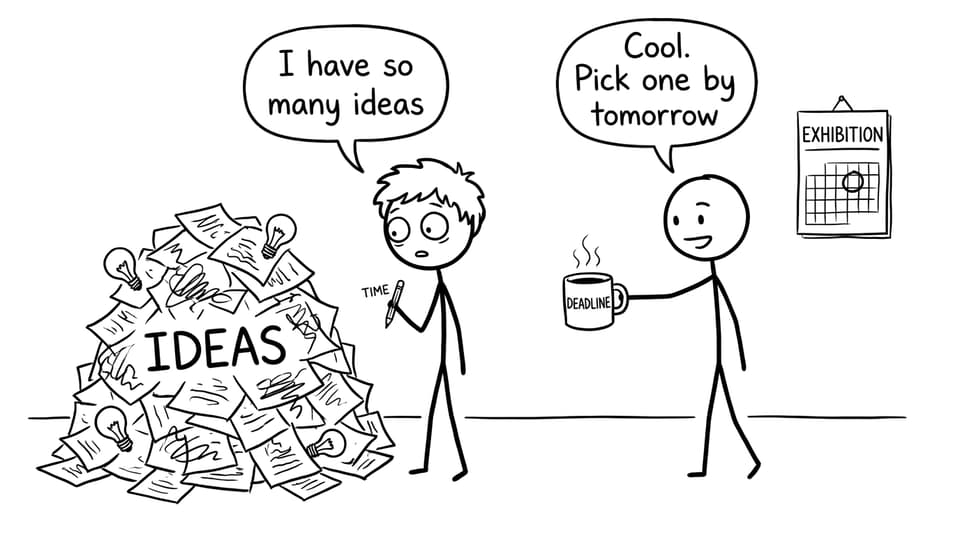
Experiment broadly: materials, techniques, processes, and failures you can learn from
-
Document everything: photos, annotations, reflections, sources
-
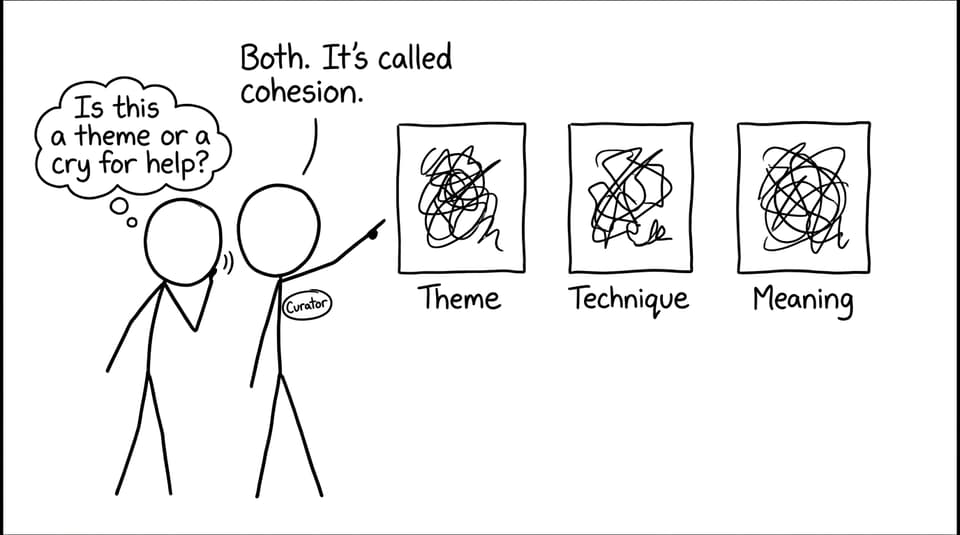
Curate selectively: choose resolved works that connect as a body of work
-
Explain clearly: write like a thoughtful student, not a museum brochure
When you want a bigger weekly system, keep How to "Study" IB Visual Arts Effectively open while you plan.
The three core components of IB Visual Arts (and what they really test)
The syllabus is often described in three strands, but most students experience it as three assessed deliverables. Each one rewards a different kind of thinking.
Visual arts in context (your Comparative Study foundation)
In IB Visual Arts, “context” isn’t decorative background information. It’s the reason an artwork has stakes. You’re looking at what shaped the work: the culture, history, audience, materials, and the artist’s choices.
This strand becomes most visible in your Comparative Study, where you analyze and compare artworks from different artists and contexts. If you need structure for screens and comparisons, use Comparative Study Structure Explained Step by Step for IB Visual Arts and How to Prepare for the IB Visual Arts Comparative Study.
To strengthen your cultural layer fast, bookmark IB Visual Arts: Add Cultural Context to Your Comparative Study.
Visual arts methods (your Process Portfolio engine)
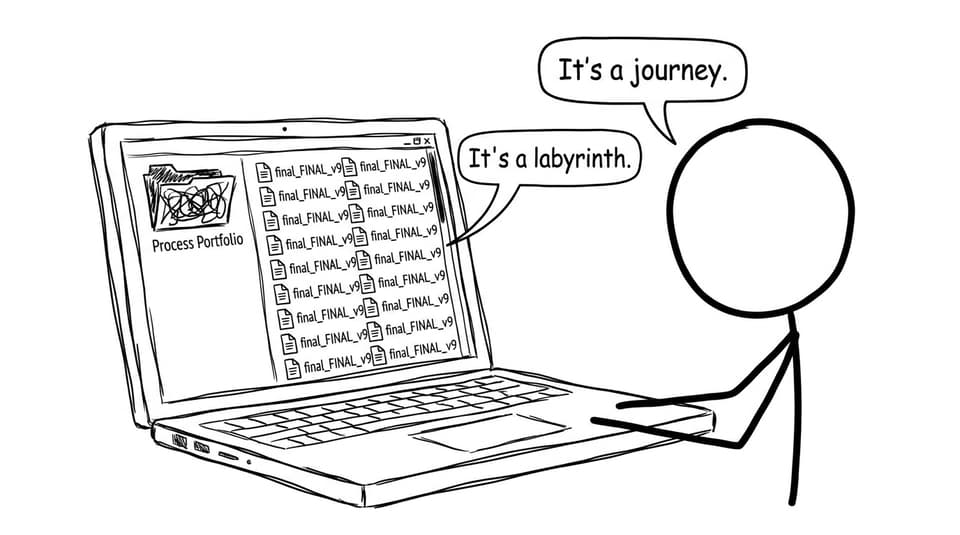
Methods are where your work turns from “I made this” into “I tested this.” The Process Portfolio rewards experimentation you can explain: what you tried, what changed, what failed, and what you learned.
A strong IB Visual Arts Process Portfolio usually has two qualities:
-
Variety that is purposeful (not random)
-
Reflection that is specific (not poetic)
If your pages feel messy, it’s rarely talent. It’s layout logic and evidence. Use How to Structure Your IB Visual Arts Process Portfolio as a blueprint, and if you want rubric-aligned feedback, try the IB Visual Arts Process Portfolio Grader.
Communicating visual arts (your Exhibition and curatorial choices)
This is where your work has to behave like a cohesive statement. In IB Visual Arts, the Exhibition is not a storage unit for everything you’ve made. It’s a curated argument.
Two practical syllabus details matter a lot here:
-
SL submits 4-7 exhibition artworks
-
HL submits 8-11 exhibition artworks
If you’re unsure what to select (or you’re trying to avoid panic-piling), read How Many Artworks Do You Need for the IB Visual Arts Exhibition? and How to Succeed in the IB Visual Arts Exhibition at SL vs HL.
And for the “how am I graded, really?” side of things, keep IB Visual Arts Assessment Criteria Explained Simply and Understanding the Marking Criteria for IB Visual Arts nearby.
How RevisionDojo helps you turn creativity into marks
The hard truth about IB Visual Arts is that inspiration isn’t the bottleneck. Organization is.
RevisionDojo is built for that moment when you need your creativity to become clear evidence:
-
Use Study Notes to clarify requirements and build vocabulary for analysis
-
Train with the Questionbank to practice examiner-style thinking (especially for Comparative Study writing)
-
Drill key terms and artist/context links with Flashcards
-
Brainstorm and refine reflections with AI Chat (so your writing stays specific)
-
Check your work against rubrics with Grading tools like the Process Portfolio Grader
-
Learn from strong models in the Coursework Library (see IB Visual Arts Examples)
-
If you want guidance, connect with Tutors for feedback loops that don’t derail your style
If you’re also tracking performance targets, the Visual Arts Grade Boundaries page can help you set realistic goals.
Closing: make the syllabus your studio assistant
The best part of IB Visual Arts is also the hardest part: it’s wide open. But the syllabus isn’t a cage; it’s a set of rails that lets your ideas travel further without falling apart.
If you want your next weeks of IB Visual Arts to feel calmer, use RevisionDojo to turn your experiments into evidence: plan with Study Notes, practice with the Questionbank, refine with AI Chat, and polish with Grading tools. Then curate an Exhibition that feels like a story you chose on purpose.