


The quiet advantage of IB Visual Arts
In the final weeks before exams, IB Visual Arts can feel like a constant negotiation with time. One more annotation. One more refinement. One more decision about what belongs in the story of your work.
But here’s the part students often miss: that “story of your work” is already career training.
The strongest IB Visual Arts students don’t just make art. They learn to think in drafts, defend choices with clarity, and build meaning with evidence. Those habits travel well. They travel into studios, agencies, museums, classrooms, hospitals, and startups. They even travel into careers that look unrelated to art on the surface.
This guide maps the most common career pathways for IB Visual Arts graduates, and shows how to translate what you’re doing right now into a future that fits.
A quick checklist: translate IB Visual Arts into career language
Before you pick a pathway, practice describing what IB Visual Arts actually trained you to do. Use this short checklist when writing personal statements, internship emails, or portfolio captions:
-
Concept development: turning an idea into a coherent body of work
-
Experimentation: testing media, methods, and visual strategies (and documenting results)
-
Critical analysis: explaining how and why artworks work
-
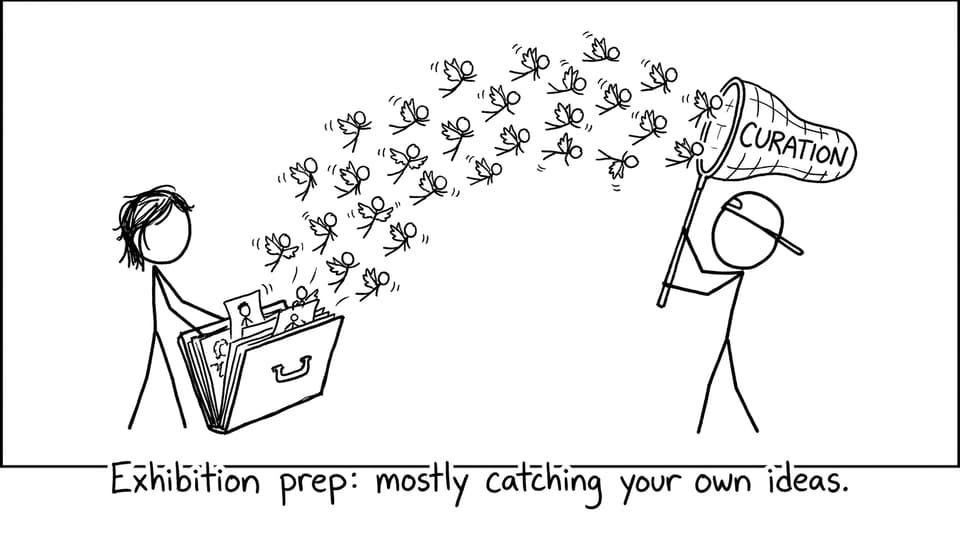
Curation: selecting, sequencing, and presenting work with intention
-
Reflection: writing with clarity about process, outcomes, and improvements
-
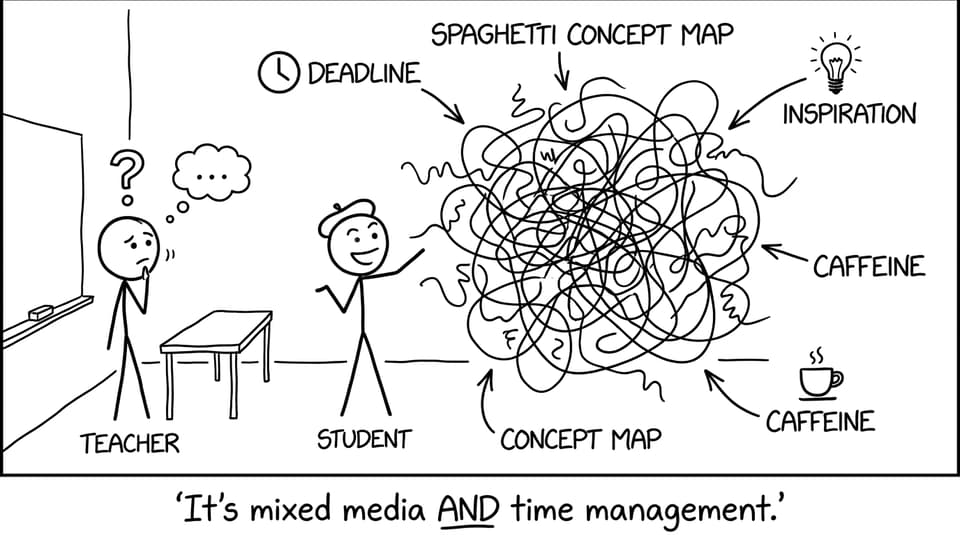
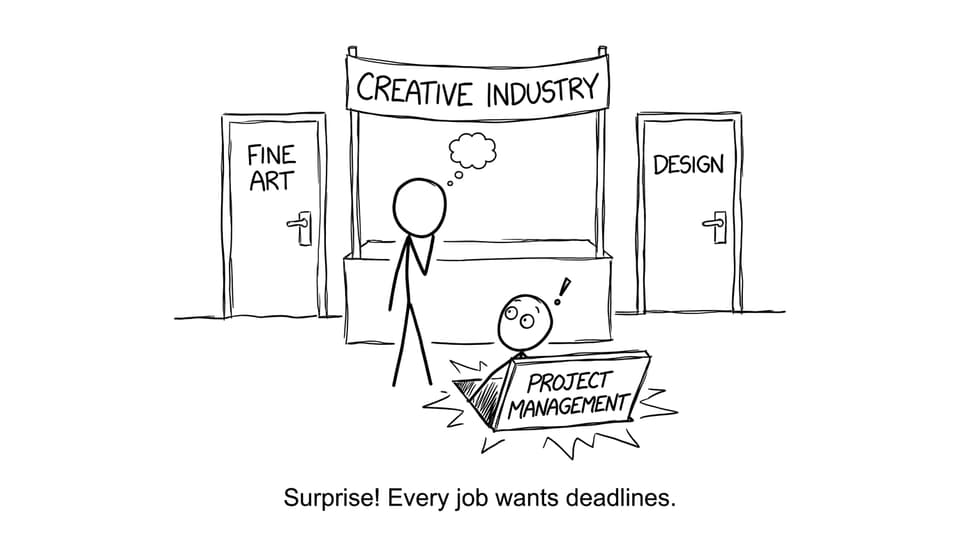
Project management: meeting deadlines while juggling multiple components
If you want the course components explained clearly, keep What is IB Visual Arts? open as your “map” while you revise.
Career pathways for IB Visual Arts graduates
Fine artist (gallery, independent practice, commissions)
A fine artist’s job is to build a practice that’s consistent enough to be recognizable, and curious enough to keep evolving. IB Visual Arts already nudges you into that rhythm: theme selection, iterative development, and creating resolved works that connect.
Where it can lead:
-
Exhibitions in local galleries and artist-run spaces
-
Online sales, commissions, residencies, grants
-
Collaborative installations and community projects
To strengthen this path, study how examiners reward “coherence” and “conceptual depth,” because those are also what audiences remember. IB Visual Arts Assessment Criteria Explained Simply is useful for aligning your instincts with clear standards.
Graphic designer (brand, digital, print)
Design is art under constraint. The brief matters. The user matters. The deadline definitely matters.
If you enjoy clarity, typography, layout, and problem-solving, IB Visual Arts can be a strong springboard into:
-
Branding and logo design
-
Web and UI design
-
Advertising, packaging, editorial design
Your process documentation becomes a design case study. Employers like seeing iterations, not just the final image.
Art director (creative leadership)
Art directors make decisions other people execute. It’s less “I made this” and more “I shaped the visual world of this campaign, set, or publication.”
The surprising connection: IB Visual Arts trains you to justify visual decisions. That’s leadership.
Typical settings:
-
Advertising agencies and production studios
-
Publishing and media companies
-
Fashion, product, and content teams
Illustrator (editorial, book, concept art)
Illustration is storytelling through images, often with a client, a timeline, and a specific emotional target.
IB Visual Arts helps here when your work shows:
-
A consistent visual voice
-
Strong research and references
-
Intentional composition and symbolism
If you’re building a process portfolio and you’re unsure how to show experimentation without looking messy, How to Show Experimentation in Your IB Visual Arts Process Portfolio is a practical guide.
Curator or gallery manager (exhibitions, collections, programming)
If you like choosing, arranging, writing labels, and building connections between artworks, curation might fit.
The exhibition component of IB Visual Arts is essentially a small-scale curatorial project: selection, presentation, rationale, and audience experience.
For the clearest SL vs HL expectations (and what they train you to do), use How to Succeed in the IB Visual Arts Exhibition at SL vs HL.
Art educator (schools, community programs, workshops)
Teaching art is partly technique, partly coaching, and mostly communication.
IB Visual Arts helps because it forces you to articulate decisions: why this medium, why this artist, why this outcome. That habit becomes lesson planning, critique facilitation, and student feedback.
If you enjoy helping friends improve their work (without taking over), this pathway often feels natural.
Art therapist (well-being, clinical settings)
Art therapy uses art-making as a structured tool for mental health support. It typically requires additional specialized study and certification, but IB Visual Arts can be an early indicator that you enjoy the reflective, human side of creating.
If your process journal is where you do your best thinking, pay attention. That’s a clue.
Animator (2D/3D, games, film)
Animation is patience plus craft. Storyboards, character design, motion principles, and iteration.
IB Visual Arts supports animation when you develop:
-
Strong observational drawing
-
Visual storytelling and sequencing
-
Willingness to redo drafts without ego
Interior designer (spatial design)
Interior design blends aesthetics with function: flow, lighting, materials, client needs, regulations. If you like composing spaces and thinking about how people move through them, this can be a rewarding direction.
The same curatorial thinking in IB Visual Arts (what belongs, what distracts, what creates coherence) applies to rooms.
Art conservator or restorer (museums, labs)
Conservation is where art meets science. Conservators preserve and restore artworks and cultural objects, often requiring advanced training.
What connects it to IB Visual Arts is attention to detail, materials awareness, and respect for context and history.
How to use exam prep to test your career fit
Exam season can actually help you choose a direction. Try this:
-
If you love analysis and context, lean toward curation, education, conservation, or art history-adjacent study.
-
If you love composition and communication, lean toward design, illustration, art direction.
-
If you love making and refining, lean toward fine art, animation, studio practice.
To tighten your exam strategy while you explore options, How to Study IB Visual Arts Effectively is a solid routine guide.
And if you want to avoid the predictable traps (too much last-minute polishing, not enough evidence of process), read Most Common Mistakes in IB Visual Arts.
How RevisionDojo supports IB Visual Arts students (and future creatives)
Careers are built on feedback loops: try, evaluate, adjust, repeat. That’s also how strong IB Visual Arts grades happen.
RevisionDojo is designed around that loop. You can:
-
Build confidence with the RevisionDojo Questionbank mindset: targeted practice, fast feedback, and fewer “I think this is fine?” moments.
-
Turn key terms and criteria language into daily recall using RevisionDojo Flashcards.
-
Use AI Chat when you’re stuck on interpretation or wording, then return to action.
-
Use Grading tools to see your work through rubric-aligned eyes.
-
Use Study Notes to clarify expectations quickly.
-
Use Predicted Papers and Mock Exams for calmer exam readiness.
-
Use the Coursework Library for models and benchmarks.
-
Use Tutors when you need structured guidance and accountability.
If you’re working on integrity and authorship, Integrity and Originality in IB Visual Arts is worth reading closely.
Closing: make your next step feel inevitable
A good IB Visual Arts body of work doesn’t appear all at once. It arrives through small choices repeated: one experiment, one reflection, one revision. Careers work the same way.
If you’re preparing for exams right now, keep going. Your process is already teaching you how professionals think. And when you want that process to feel more structured, with clearer criteria, faster feedback, and smarter revision loops, RevisionDojo gives IB Visual Arts students the tools to turn effort into outcomes.
Explore the Questionbank, lock in key language with Flashcards, and use AI Chat and Grading tools to sharpen your decisions before they matter most.