
The week before exams, most IB students don’t fear the texts. They fear the invisible math: How many marks do I actually need? That’s why IB Language A grade boundaries feel strangely comforting. They turn anxiety into a target.
This guide breaks down the IB Japanese A: Literature SL 2025 grade boundaries for the Oral (IA), Paper 1, Paper 2, and the final overall score. More importantly, it shows how to use those boundaries as a planning tool rather than a superstition.
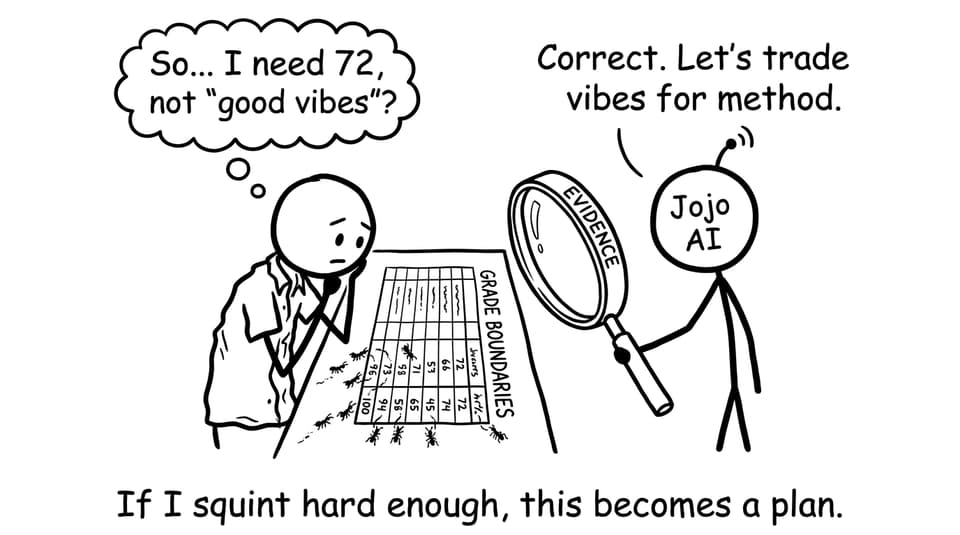
Quick checklist (save this before you revise)
-
Convert every revision session into a measurable output: an Oral run-through, a Paper 1 plan, or a timed Paper 2 paragraph.
-
Track your marks component-by-component, not just “overall confidence.”
-
Use a feedback loop: do the task, grade it, fix one weakness, repeat.
-
Keep one home base for everything (notes, practice, feedback) so you don’t lose time to chaos.
If you need tools in one place, RevisionDojo’s Questionbank, Study Notes, Flashcards, AI Chat, Grading tools, Mock Exams, Predicted Papers, Coursework Library, and Tutors are built for exactly this kind of structured loop. Start from the RevisionDojo IB hub and keep it simple.
IB Japanese A: Literature SL 2025 grade boundaries
These are the key IB Language A boundaries you can plan around.
Internal Assessment (Oral): out of 40
-
Grade 7: 34-40
-
Grade 6: 29-33
-
Grade 5: 24-28
-
Grade 4: 19-23
-
Grade 3: 13-18
-
Grade 2: 7-12
-
Grade 1: 0-6
Paper 1: out of 20
-
Grade 7: 12-20
-
Grade 6: 11
-
Grade 5: 9-10
-
Grade 4: 8
-
Grade 3: 7
-
Grade 2: 4-6
-
Grade 1: 0-3
Paper 2: out of 30
-
Grade 7: 24-30
-
Grade 6: 20-23
-
Grade 5: 16-19
-
Grade 4: 12-15
-
Grade 3: 9-11
-
Grade 2: 5-8
-
Grade 1: 0-4
Final overall grade: out of 100
-
Grade 7: 72-100
-
Grade 6: 62-71
-
Grade 5: 50-61
-
Grade 4: 40-49
-
Grade 3: 30-39
-
Grade 2: 15-29
-
Grade 1: 0-14
To compare sessions and confirm the latest tables, keep IB Grade Boundaries bookmarked.
How to use IB Language A boundaries without obsessing
Grade boundaries are set after marking, not before. They shift with difficulty and cohort performance. So the winning mindset in IB Language A is not “predict the boundary,” but “build margin.” The boundary is the minimum. Your plan should aim above it.
A practical way to do this is to set micro-targets:
-
Oral: aim for 35+ (not just “a strong talk”)
-
Paper 1: aim for 13+ by mastering a repeatable commentary structure
-
Paper 2: aim for 25+ by writing comparative points from memory cleanly
If you want the deeper explanation of how boundaries are decided, read IB Grade Boundaries: How They're Actually Calculated.
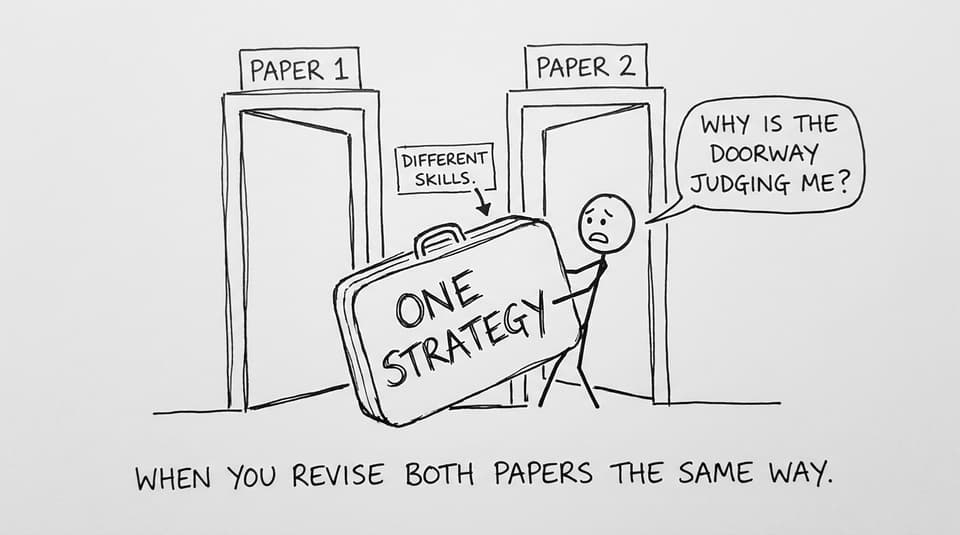
Component strategy: what actually moves marks
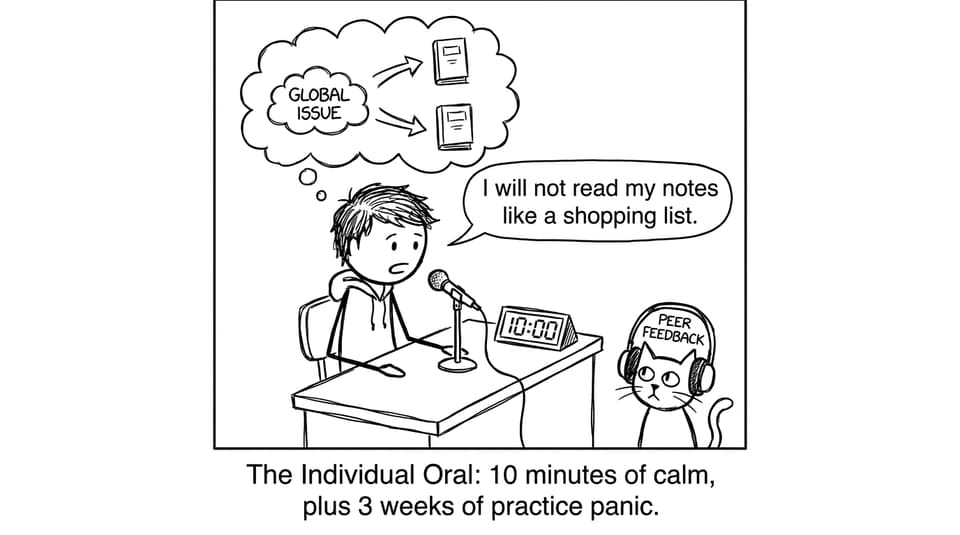
The Oral (IA): clarity beats cleverness
In IB Language A, the Oral rewards a focused argument, steady structure, and evidence that stays tied to authorial choices. Record yourself early. Then listen like an examiner: where do you drift into summary, where do you stop linking technique to meaning?
For a practical walkthrough, use Language A Individual Oral: How to Score Higher with AI Help and the rubric-focused Language A IA Rubric guide. If you want instant practice feedback, the IB Language A: Individual Oral Grader is a fast way to tighten pacing and structure.
Paper 1: train a repeatable process
Paper 1 can feel like “talent,” but it’s mostly method: annotate, choose a controlling idea, build paragraphs that connect technique to effect. Do short timed bursts and review with a rubric.
A strong routine is laid out in IB English Paper 1 Revision: A Step-by-Step Guide. Even if you’re studying Japanese A, the process for IB Language A analysis transfers.
Paper 2: comparison is a skill, not a memory contest
Paper 2 punishes two separate mini-essays. It rewards a single argument that compares how both works construct meaning. Your revision should therefore be comparative from day one: theme + technique + context, side by side.
Use IB English Paper 2 Structure: Lang & Lit Guide to internalize what examiners reward, then drill with timed plans.
FAQ
Are these IB Japanese A: Literature SL 2025 grade boundaries guaranteed?
They are reliable for the session they describe, but grade boundaries can vary by timezone and exam session. In IB Language A, boundaries are set after marking to keep standards consistent, which means they respond to paper difficulty and global performance. That’s why two different sessions can have slightly different cut scores for the same grade. The practical takeaway is to treat boundaries as a planning reference, not a prediction market. Build a cushion by targeting above the minimum for each component. For the most current tables and session comparisons, use the IB Grade Boundaries page.
What’s the smartest way to “aim for a 7” using IB Language A boundaries?
Start by turning the final boundary into component targets you can control. A Level 7 overall (72+) becomes a set of weekly goals: one Oral recording, one Paper 1 timed commentary plan, and one Paper 2 comparative outline. Then you grade yourself with the rubric and fix one pattern at a time: unclear thesis, summary-heavy paragraphs, weak evidence, or shaky comparisons. This matters because IB Language A marking is consistent about what it rewards: interpretation supported by method. RevisionDojo makes this loop easier because you can revise content with Study Notes, practice with the Questionbank, and get feedback with Grading tools and AI Chat without waiting days. If you need a more complete study workflow, RevisionDojo App: The Smarter Way to Prep for IB Exams shows how to build a calm routine.
How do I improve fastest if my Paper 1 score is stuck?
First, stop doing full essays every time. In IB Language A, your biggest gains often come from shorter practice with tighter feedback: 10 minutes of annotation, a 5-minute thesis, and one body paragraph written properly. Second, create an “analysis toolkit” you always use: diction, imagery, structure, perspective, tone, and (when relevant) sound and rhythm. Third, practice choosing evidence that is small but meaningful, because examiners reward precision more than volume. Then use a grader-style checklist to ask: did I link feature to effect to author purpose, or did I just label devices? The IB Language A Paper 1 Grader can help you see patterns in your writing quickly, and the Paper 1 routine in IB English: Best Way to Study for Paper 1 vs Paper 2 keeps practice aligned.
Conclusion: use IB Language A boundaries as calm targets
The real gift of grade boundaries is not certainty. It’s direction. When you know what IB Language A demands for the Oral, Paper 1, Paper 2, and the final total, revision becomes less about motivation and more about method.
If you want to turn these IB Language A grade boundaries into a weekly system, use RevisionDojo as your base: learn with Study Notes, retain with Flashcards, practice with the Questionbank, get feedback with AI Chat and Grading tools, and build stamina with Mock Exams and Predicted Papers. Then repeat the loop until the numbers start to feel ordinary.