


In IB English, it’s rarely the “hard text” that breaks your confidence. It’s the moment you realise you prepared for the wrong kind of difficulty.
Paper 1 feels like walking into a room where someone has rearranged all the furniture and asked you to describe the design choices. Paper 2 feels like being handed two familiar rooms and asked to explain what they reveal about the people who live there. Same subject. Different pressure.
This guide breaks down the best way to IB English study for Paper 1 vs Paper 2, so your practice actually matches what the examiner rewards.
IB English Paper 1 vs Paper 2: a quick checklist
Use this before each session so your IB English revision stays focused.
-
Paper 1 goal: technique-driven analysis of an unseen text (or two texts at HL)
-
Paper 2 goal: a comparative essay on two studied works using a thematic prompt
-
Your output today: one timed paragraph, a full plan, or a full essay (never “just revise”)
-
Feedback loop: rubric check, teacher comments, or RevisionDojo grading tools
For a broader workflow that keeps everything organised, see IB English Study Techniques That Actually Work.
Best way to study IB English for Paper 1: train your method, not your memory
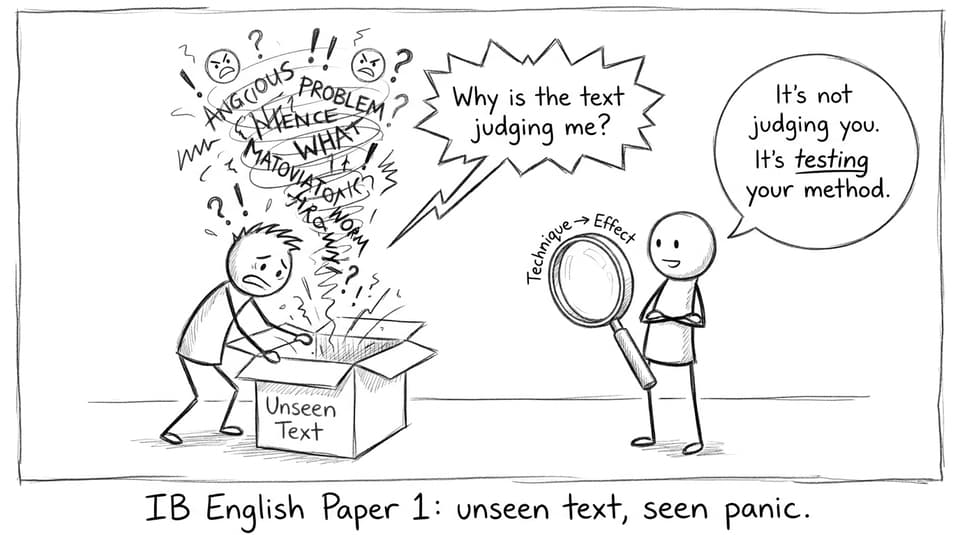
Paper 1 rewards students who can repeat a simple process under time pressure.
Build a portable analysis routine
In IB English Paper 1, your “content knowledge” is limited because the text is unseen. So your advantage is method.
-
Scan purpose, audience, context quickly.
-
Annotate patterns and shifts (tone, structure, imagery, diction).
-
Turn observations into claims: Technique -> evidence -> effect -> meaning.
If you want a focused technique refresher, use Close Reading Techniques for Prose and Poetry.
Practice with constraints (that’s the point)
Instead of writing full commentaries every time, rotate drills:
-
8-minute annotation sprints
-
12-minute thesis + outline builds
-
20-minute “one body paragraph only” attempts
Then escalate to timed writing using RevisionDojo’s Mock Exams and Predicted Papers features inside the platform hub: IB English A: Language & Literature Resources.
To target Paper 1 skills directly, work from Step-by-Step Guide to Revising IB English Paper 1 and the dedicated Paper 1 area: Paper 1 Lang & Lit.
Best way to study IB English for Paper 2: build comparisons you can reuse
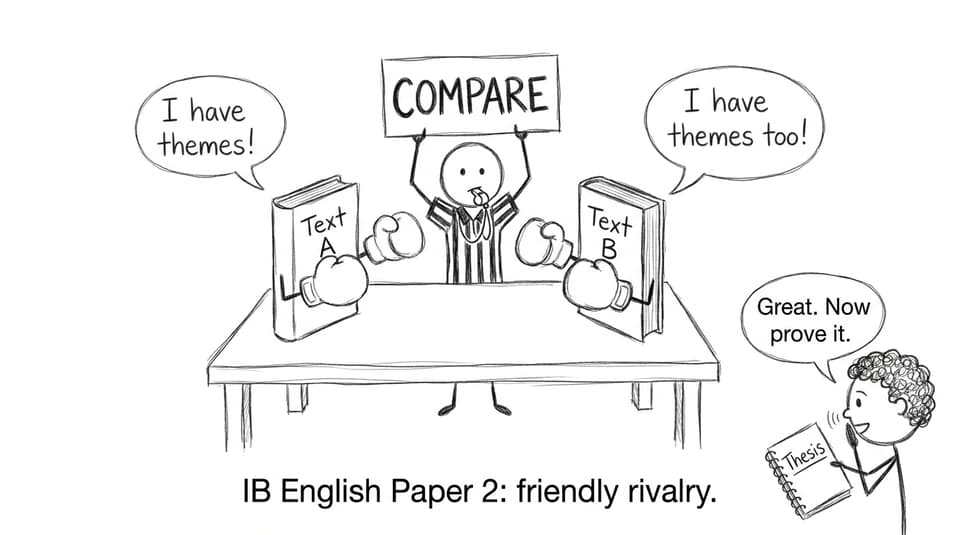
Paper 2 punishes “I know the plot” and rewards “I can connect ideas across texts with control.” In IB English, that means preparing frameworks, not memorising paragraphs.
Know each text in layers
Your Paper 2 notes should store:
-
key themes and tensions
-
authorial choices (voice, structure, motifs, symbolism)
-
context that changes interpretation
-
a bank of flexible evidence moments
A helpful companion is Effective Note-Taking Strategies for IB English.
Create a comparison engine
Build 3-5 “bridges” between your two works (identity, power, relationships, belonging, conflict, control, etc.). For each bridge, write:
-
a thesis you can adapt
-
2-3 moments from each text
-
one sentence explaining the difference in effect
For deeper Paper 2 guidance, use IB English Paper 2: Essential Guide for Success and Preparing for IB English A: Literature Exams.
How RevisionDojo makes IB English practice feel more predictable
The fastest progress in IB English comes from shorter practice loops with tighter feedback.
-
Use the Questionbank to drill Paper 2 planning prompts and exam-style thinking (start here: IB English A Lang & Lit English Paper 2 Questionbank).
-
Use AI Chat to generate alternate theses, improve transitions, or test your interpretation.
-
Use Grading tools to get consistent feedback on clarity, organisation, and analysis.
-
Use Flashcards for quotes, motifs, and theme-language (small daily wins).
-
Use the Study Notes and Coursework Library when your understanding feels patchy.
-
If you’re stuck, RevisionDojo Tutors can diagnose what your writing is doing repeatedly under pressure.
For the bigger picture of how all these tools connect, read RevisionDojo App: The Smarter Way to Prep for IB Exams.
Conclusion: the best way to study IB English is to match the pressure
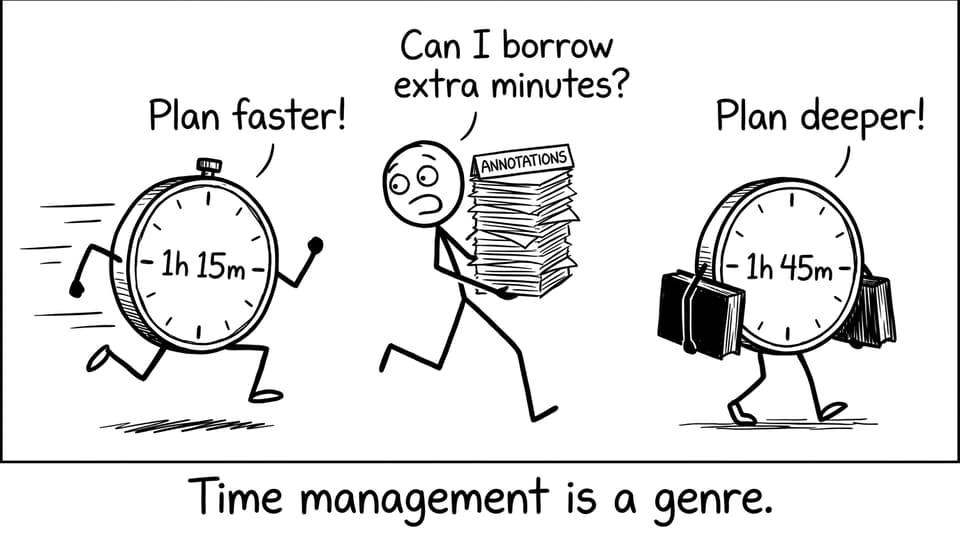
IB English Paper 1 is a test of method under surprise. Paper 2 is a test of comparison under choice. When you study them the same way, you train the wrong reflexes.
If you want one place to practise both papers with structure, feedback, and realistic exam conditions, make RevisionDojo your home base: use the Questionbank, Study Notes, Flashcards, AI Chat, Grading tools, Mock Exams, Predicted Papers, Coursework Library, and Tutors to turn practice into predictable progress.


