This site uses cookie tracking technologies. Learn more in our Cookie Policy.
IB Language A: Japanese A SL 2025 Grade Boundaries | RevisionDojo
Join 600k+ Students Already Crushing Their Exams
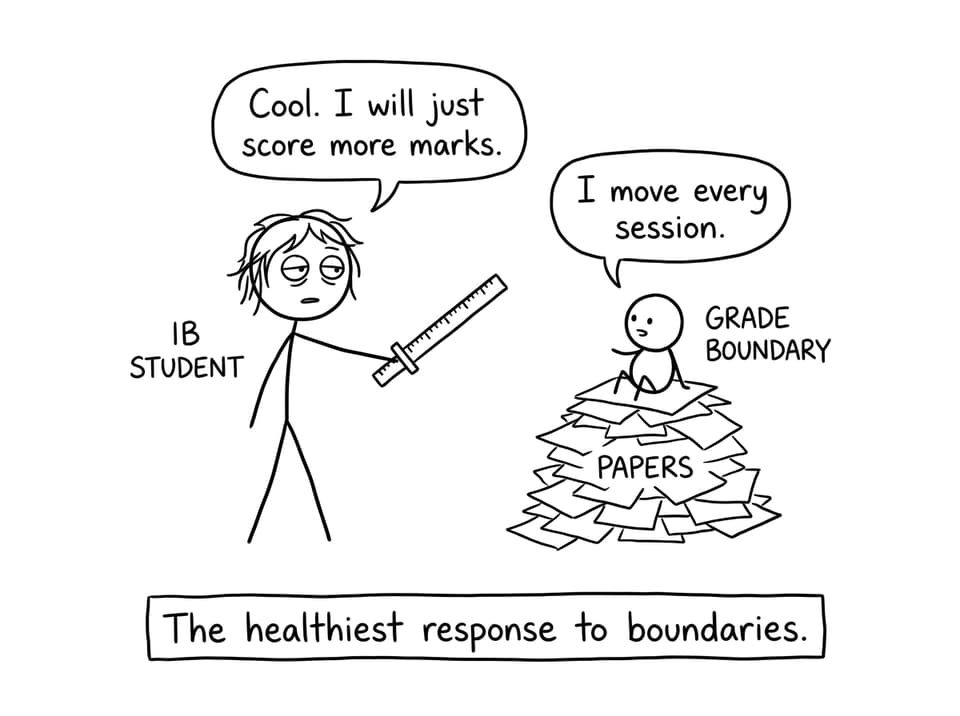
The week before exams, grade boundaries start to feel like weather. Everyone talks about them. Nobody controls them. And yet, you still have to decide whether to bring an umbrella.
For IB Language A students taking IB Japanese A: Language and Literature SL, the calm move is simple: treat grade boundaries as a map, not a prophecy. You use them to set mark targets for the IO and papers, then build a practice loop that steadily raises the marks you can actually control.
Comic: grade boundaries boss fight
Quick checklist: how to use IB Language A grade boundaries
Save the boundaries somewhere you can check in 10 seconds.
Pick one “most improvable” component (often Paper 1 structure or Paper 2 comparison).
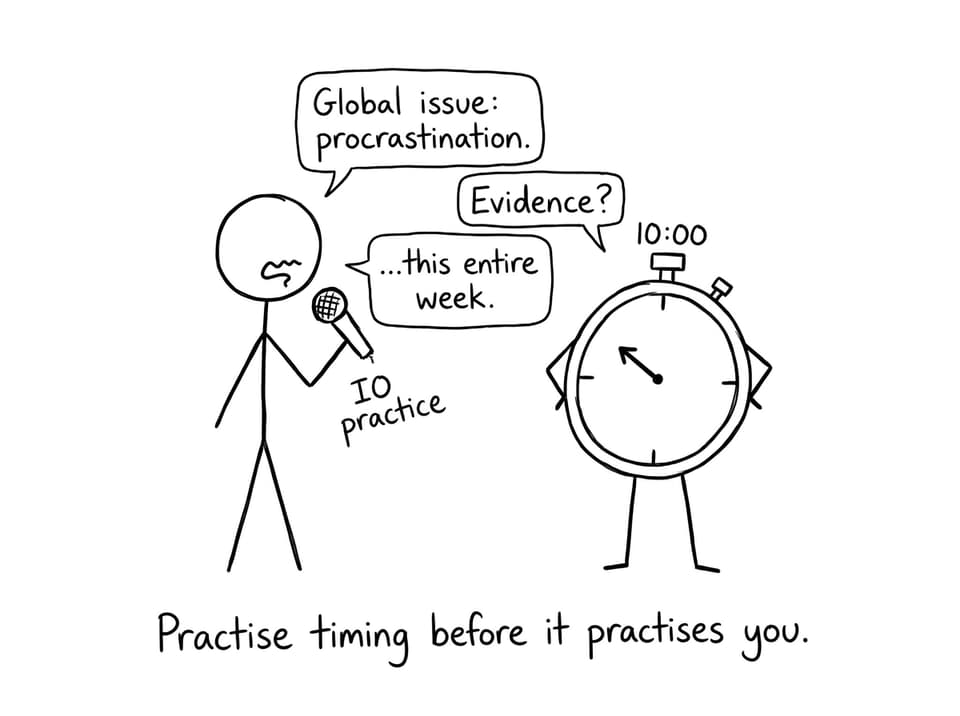
Practise under time and mark yourself against the criteria.
Use a calculator to track progress, not vibes.
Build a feedback loop: attempt -- feedback -- rewrite one paragraph -- re-attempt.
If you want the official tables in one place, keep RevisionDojo’s IB Grade Boundaries tool bookmarked, and sanity-check totals with the IB Grade Calculator.
IB Japanese A: Language and Literature SL 2025 grade boundaries (guide)
Below are the 2025 boundaries for IB Japanese A: Language and Literature SL, organized by component. Use them as target bands for your revision plan in .
How to push your marks up in IB Language A (fast, repeatable)
Raise your IO (Oral) marks
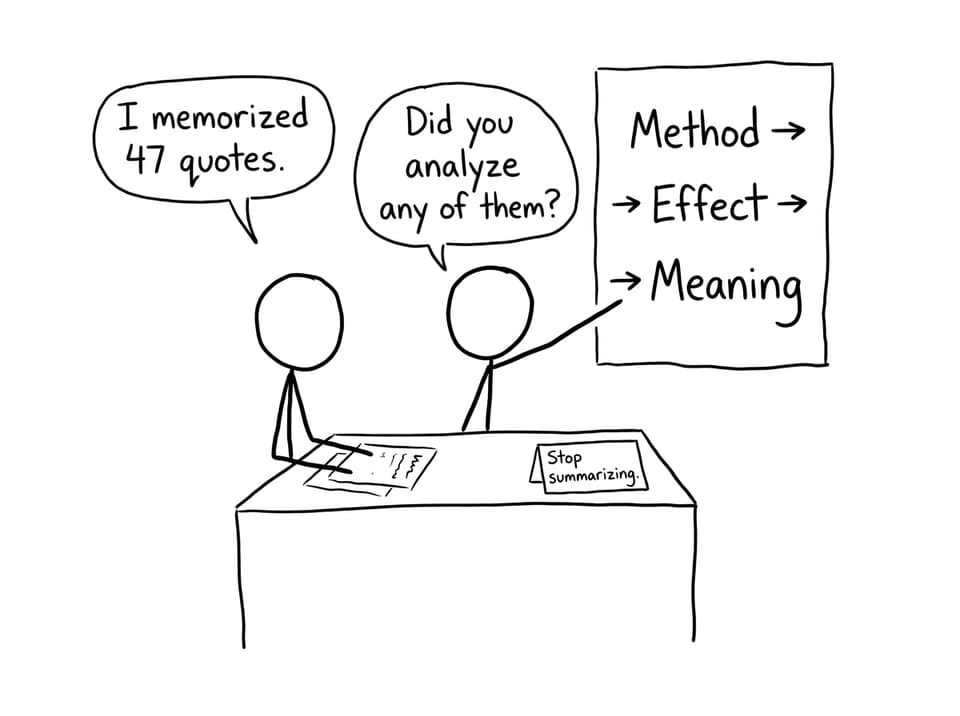
Most students don’t lose points because they “can’t speak.” They lose points because their global issue is vague, their structure is messy, or they summarize.
Use one clear global issue you can defend.
Plan signposted sections (intro, Text A, Text B, synthesis, close).
Are these IB Language A grade boundaries guaranteed for 2025?
Grade boundaries are session-specific and are set after marking, so you should treat any boundary table as a guide to targets, not a promise. What matters most is how boundaries help you translate “I want a 7” into a concrete mark goal for each component. That stops revision from becoming vague rereading and starts turning it into measurable practice. If your Paper 1 is sitting around a low 5 band, you don’t need motivation -- you need a plan to add 2--3 marks reliably. Use boundaries to find the smallest mark increase that changes your grade band. Then build a weekly cycle that forces that increase to happen.
How should I use grade boundaries when planning revision for IB Japanese A SL?
Start by estimating your current marks for the IO, Paper 1, and Paper 2 using the criteria, not your feelings. Then compare that total to the final boundary bands so you can see what is realistically needed next. The best strategy is to choose the component where marks are easiest to gain quickly -- often organization and analysis clarity in Paper 1, or balanced comparison in Paper 2. Turn that into short, repeatable drills: one thesis per day, one paragraph rewrite, one timed outline. Track your marks using RevisionDojo’s IB Grade Calculator so progress becomes visible. This is how IB Language A becomes trainable instead of stressful.
What’s the fastest way to improve in IB Language A without burning out?
Stop trying to “revise everything” and start running small feedback loops. Do a short timed response (even 20--30 minutes), get targeted feedback, then rewrite only the part that lost the most marks (often the thesis, topic sentences, or analysis depth). This creates improvement without marathon study days. On RevisionDojo, you can use Study Notes to patch a technique gap, Flashcards to keep key terminology and quote snippets fresh, and AI Chat to challenge your interpretation when you feel stuck. When you’re ready, use Mock Exams and Predicted Papers to simulate pressure in a controlled way. Consistency beats intensity in IB Language A, especially near exams.
Final thought: use IB Language A boundaries like a compass
Grade boundaries won’t write your thesis, choose your evidence, or fix a drifting paragraph. But they can give your IB Language A prep a direction: clear targets, smarter practice, and fewer wasted hours.
If you want an all-in-one system to practise and improve faster, RevisionDojo is built for it: Questionbank, Study Notes, Flashcards, AI Chat, Grading tools, Predicted Papers, Mock Exams, a Coursework Library, and expert Tutors when you need human guidance. Start by checking your targets on the IB Grade Boundaries page, then turn one weak area into one repeatable weekly win.