The night before my first serious Oral rehearsal, I did what most IB students do: I tried to “feel prepared” by rereading everything.
It didn’t work.
My notes were messy, my global issue was vague, and the first time I spoke out loud I sounded like someone describing a book report while running for a bus. That’s the real shock of the IB Individual Oral: you don’t get credit for knowing your texts in silence. You get credit for thinking clearly out loud.
This guide is built to make your Oral feel controllable. Not easy, but predictable.
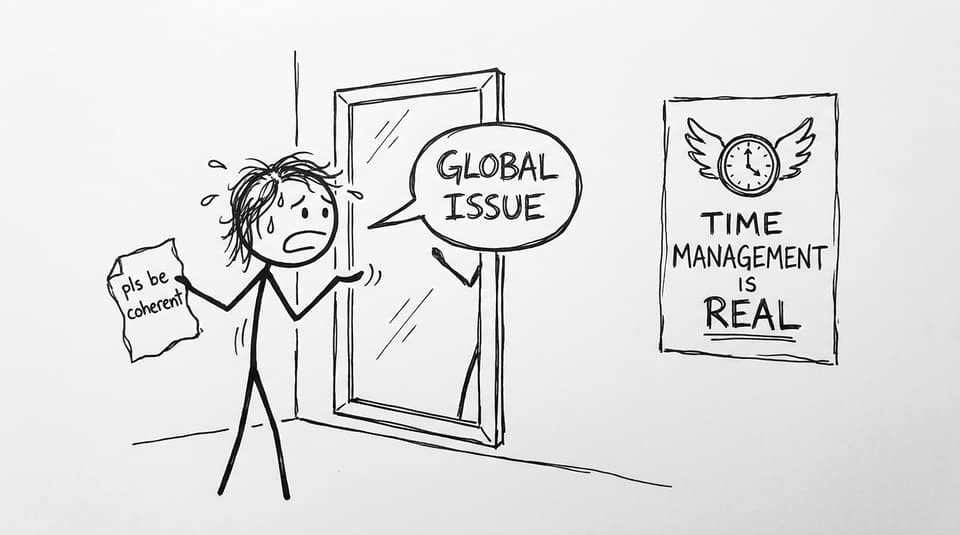
What the IB Individual Oral actually is
Your Oral is a 10-minute spoken analysis, followed by 5 minutes of teacher questions. It is internally assessed and moderated.
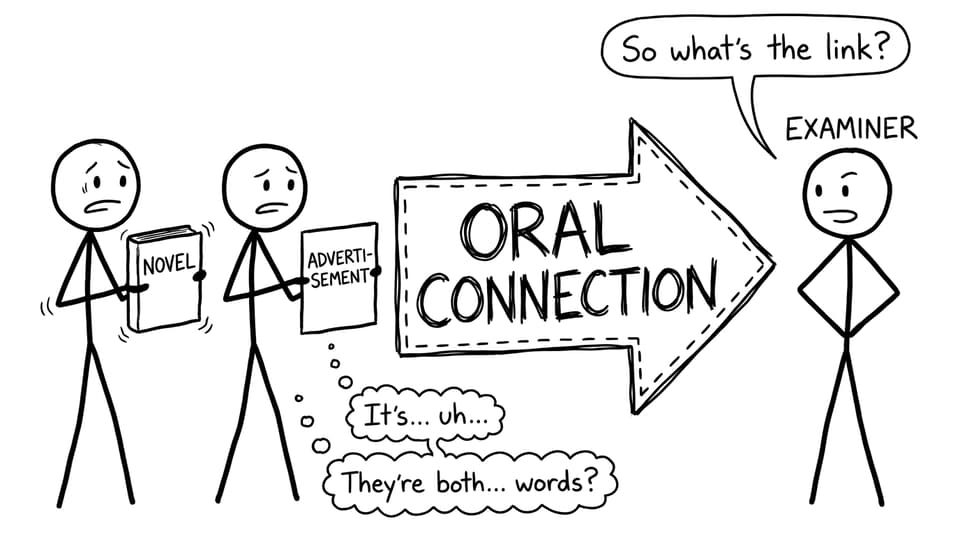
For both courses, you must connect your analysis to a global issue and prove that the issue is genuinely present in each text.
Language and Literature
In Language and Literature, the Oral pairs:
-
One literary text (a work studied in class)
-
One non-literary text (a body of work, such as ads, speeches, photojournalism, film, campaign materials)
The assessment weighting remains significant: 30% (HL) and 20% (SL).
Literature
In Literature, the Oral pairs:
- Two literary texts (one may be in translation)
The weighting is also 30% (HL) and 20% (SL).
If you want examples of what a finished Oral can look like, browse IB Language A: Individual Oral Exemplars.
Oral prep checklist (the fast version)
Use this before you write another page of notes.
-
Pick one global issue you can define in a single sentence.
-
Choose two extracts that “do the work” (techniques visible, not just plot).
-
Build a line of inquiry (a guiding claim you can return to repeatedly).
-
Plan a minute-by-minute structure for the 10 minutes.
-
Practise the Oral out loud, timed, at least 5 times.
-
Prepare for the 5-minute questions with a small bank of flexible follow-ups.
For deeper strategy, keep these guides open while you plan: Cracking the Individual Oral and How to Approach the IB English Individual Oral.
Choosing a global issue that won’t collapse mid-Oral
A strong Oral global issue has three qualities:
It is clearly global
It should connect to real-world systems or patterns: power, inequality, identity formation, environmental justice, propaganda, surveillance, migration, gender norms.
It is narrow enough to argue
“Power” is not a usable global issue. “How institutions normalise violence through language” is.
It creates comparison pressure
A good issue forces you to compare method, not just message. Your Oral should show how each text constructs the issue differently.
If you struggle with the non-literary side, read What Does IB Consider a Non-Literary Text? and Understanding Non-Literary Texts in IB English A.
Extract selection: pick passages that “broadcast” technique
Most Oral problems start here: students pick extracts that matter to the story, but don’t contain enough craft to analyse.
Choose extracts that make techniques obvious:
-
sharp shifts in tone or narrative perspective
-
dense imagery or symbolism
-
recurring motifs you can track beyond the extract
-
structural choices (fragmentation, juxtaposition, repetition, silence)
-
for non-literary: layout, framing, colour, camera angle, slogan logic, voiceover, typography, data display
Need a method for breaking down non-literary technique quickly? Use How to Analyze Non-Literary Texts in IB English Language and Literature.
A high-scoring Oral structure you can actually stick to
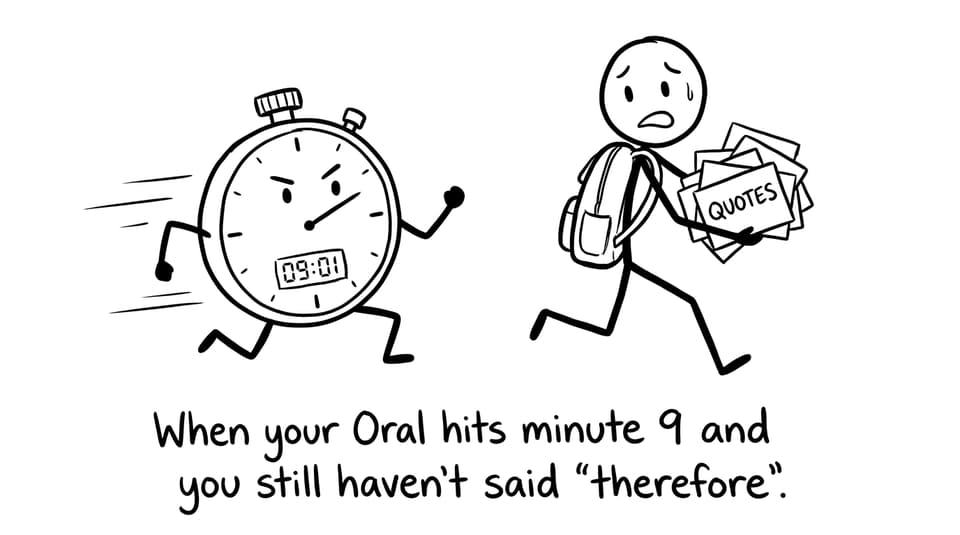
Your Oral should feel like a spoken essay with clear signposts. Here’s a structure that works across both courses.
Introduction (about 1 minute)
-
Define the global issue in one sentence.
-
Name both texts and situate each briefly.
-
State your line of inquiry (your controlling claim).
-
Preview the comparison: what will be similar, what will differ.
Text 1 analysis (about 4 minutes)
-
Give 1-2 sentences of context for the extract.
-
Make 2-3 claims linked to technique.
-
For each claim: technique -> effect -> link back to the global issue.
-
Zoom out once: connect extract to the wider work.
Text 2 analysis (about 4 minutes)
Repeat the same logic, but avoid mirror-writing. The goal is not symmetry; it’s insight.
If your second text is non-literary, consider pairing this with How to Use Film and Media Texts in IB English Language and Literature.
Conclusion (about 1 minute)
-
Synthesize: what does comparing these two texts reveal about the global issue?
-
End with a final interpretive thought, not a summary list.
For more pacing help, see How to Structure an FOA for IB.
Oral delivery: the boring habits that earn marks
A strong Oral often looks unglamorous in practice. It’s built from repeatable habits.
Practise with constraints
Rehearse with:
-
a strict timer
-
only your allowed notes format
-
one take per session (to simulate pressure)
Record, then review like an examiner
Ask:
-
Did my global issue stay present every minute?
-
Did I analyse technique, or retell content?
-
Did I compare methods, or just themes?
-
Did I signpost transitions clearly?
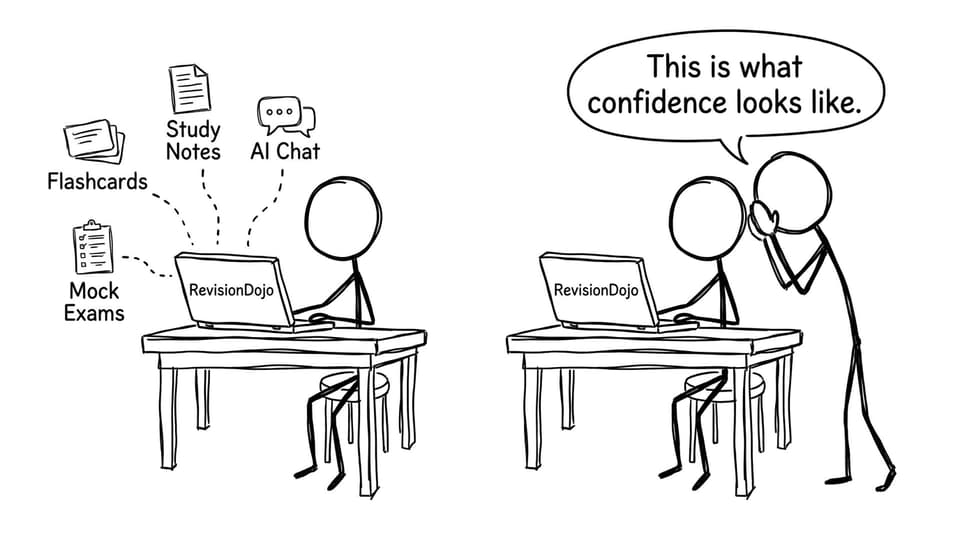
This is where RevisionDojo becomes more than “extra revision.” Tools like the AI Chat help you test your line of inquiry, Flashcards lock in key terminology, and Study Notes keep technique definitions crisp under pressure.
If you want structured feedback loops, use IB IO Practice Tool: Perfect Your Individual Oral Skills with AI and Professional IB Oral Feedback. They’re designed to make Oral practice repeatable: record, get criteria-aligned feedback, adjust, repeat.
The 5-minute questions: where good Orals become great
The Q&A is not a trap. It’s a second chance to prove flexibility.
Prepare three “expansion lanes”:
-
another moment elsewhere in each text that supports your claim
-
a counter-reading (what else could this technique suggest?)
-
context (historical, cultural, authorial choices) tied to the global issue
To build confidence answering unexpected questions, train spontaneity with Impromptu Speaking and Individual Oral Success.
Common Oral mistakes (and the fixes)
-
Mistake: the global issue is a slogan. Fix: define it with a cause/effect relationship.
-
Mistake: analysis is mostly paraphrase. Fix: force yourself into technique language every 2-3 sentences.
-
Mistake: one text dominates. Fix: allocate time on a timer and practise with strict splits.
-
Mistake: you “compare” only at the end. Fix: add one comparison sentence after each main claim.
For a marks-focused breakdown, keep How to Get High Marks in IB English A: Individual Oral bookmarked.
Closing: make your Oral predictable
A high-scoring Oral is rarely a performance of brilliance. It’s usually a performance of clarity.
When your global issue is defined, your extracts are chosen for technique, and your structure is timed, the Oral stops feeling like a cliff edge and starts feeling like a path you can walk again and again.
If you want that repetition without guessing, RevisionDojo is built for it: Study Notes to sharpen interpretation, Flashcards to lock in terminology, AI Chat to test your claims, an IO practice tool with feedback, plus Predicted Papers, Mock Exams, a Coursework Library, and Tutors when you need a real person to challenge your thinking.
Your next Oral practice doesn’t need more motivation. It needs a system. Start one today on RevisionDojo.