
If you’ve ever stared at a blank page in your sketchbook and thought, “I could probably teach myself this… right?” you’re already standing in the exact doorway that IB Visual Arts asks you to walk through.
Self-studying can feel romantic at first: late-night inspiration, independent research, a personal theme that finally makes sense. Then reality shows up: deadlines, documentation, criteria language, and the awkward question of who will actually critique your work.
So, can you self-study for IB Visual Arts exams? Yes. But not in the way people self-study vocabulary lists. It’s less about cramming and more about building a system that produces evidence: experiments, reflections, links to artists, and a coherent story of growth.
The truth about self-studying IB Visual Arts
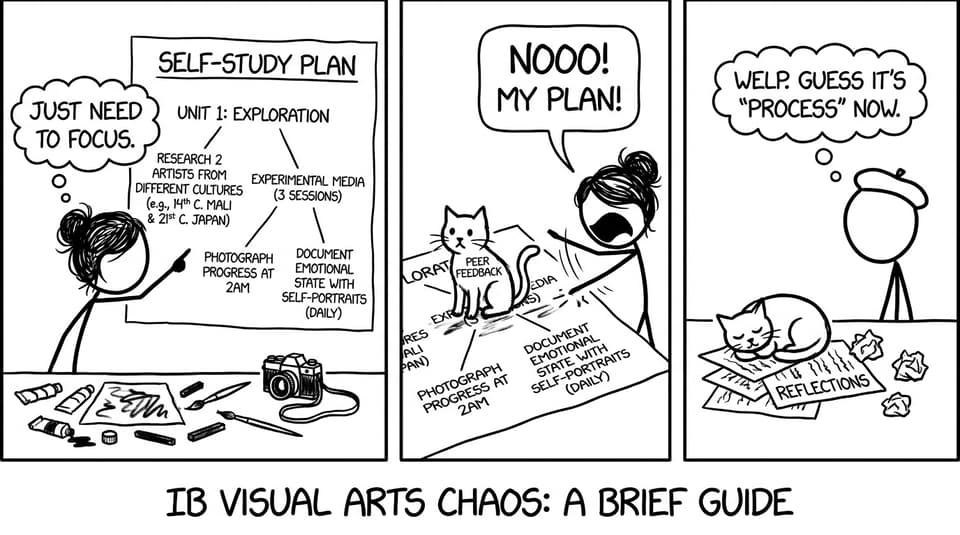
IB Visual Arts is assessed through what you make, what you research, and how clearly you explain your thinking. That last part is where self-studiers often struggle: you might create strong work, but without structured reflection and intentional presentation, it can read like scattered talent instead of assessed growth.
Self-studying works best when you treat the course like a studio apprenticeship you’re running for yourself:
-
You set a weekly production rhythm.
-
You keep documentation non-negotiable.
-
You schedule critique like it’s a real class.
-
You reverse-engineer every piece from the assessment criteria.
If you’re unsure what that rhythm looks like, start by reading How to "Study" IB Visual Arts Effectively and use it as your baseline.
Self-study checklist for IB Visual Arts (save this)
Use this as your simple “am I on track?” list for IB Visual Arts:
-
You can describe your theme in 1-2 sentences.
-
You have a weekly plan for making work (not just “thinking about work”).
-
You document experiments with photos and short reflections.
-
You research artists consistently and apply ideas, not just quote biographies.
-
You get external feedback at least twice a month.
-
You can explain how your work evolved across time.
-
You know what each component is asking you to prove.
For a deeper look at documentation expectations, What to Include in an IB Visual Arts Portfolio is a strong anchor.
What you must self-manage (and what you can outsource)
In IB Visual Arts, the “hard part” isn’t only technical skill. It’s accountability.
You must manage time, evidence, and consistency
Art grows in small increments. A self-study plan that says “weekend marathon sessions” usually collapses, because you lose the paper trail of development.
Instead, build a boring, repeatable loop:
-
2-3 short making sessions per week
-
1 research session per week
-
1 documentation session per week (photos, annotations, clean write-ups)
If you want a clearer sense of how the pieces fit together, Creating an Outstanding IB Visual Arts Portfolio breaks the components into practical priorities.
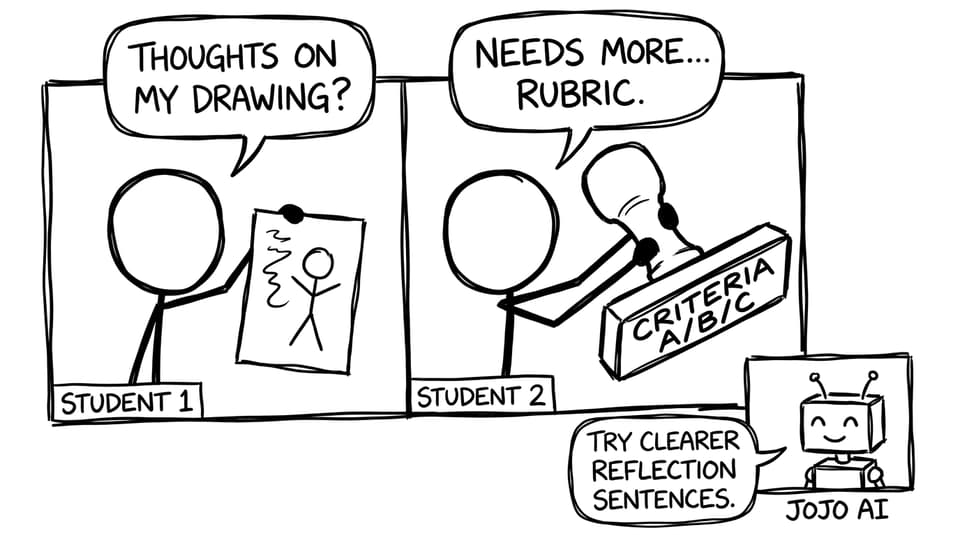
You can outsource critique and structure
The fastest way to improve alone is to stop being alone on the parts that require other eyes.
That can mean:
-
A trusted art teacher (even informal)
-
Online critique communities
-
A peer who swaps feedback weekly
-
A tutor who understands the rubric language
RevisionDojo’s Tutors can be a shortcut here: not to “fix” your art, but to help you translate your process into assessed clarity.
How to self-study the three core demands of IB Visual Arts
Even if your school calls them different things in day-to-day language, your job in IB Visual Arts stays consistent: make, research, reflect.
Build your process portfolio like a scientist with paint
The strongest self-studiers treat their process portfolio as a lab notebook. Every experiment answers a question:
-
What happens if I restrict color?
-
What happens if I change scale?
-
What happens if I move from photography to collage?
Your reflections don’t need to be poetic. They need to be specific: what you tried, what changed, what you learned, what you’ll do next.
If you’re unsure how to structure these pages, use What to Include in an IB Visual Arts Portfolio as your reference point and build a personal template.
RevisionDojo also helps here in a surprisingly “non-art” way: its Flashcards can train you on formal analysis vocabulary (composition, contrast, balance, negative space) so your reflections become more precise over time.
Make your comparative study research feel alive
A self-study trap is choosing artists because they’re famous, then writing about them like a Wikipedia summary. In IB Visual Arts, research only becomes valuable when it changes what you make.
A better workflow:
-
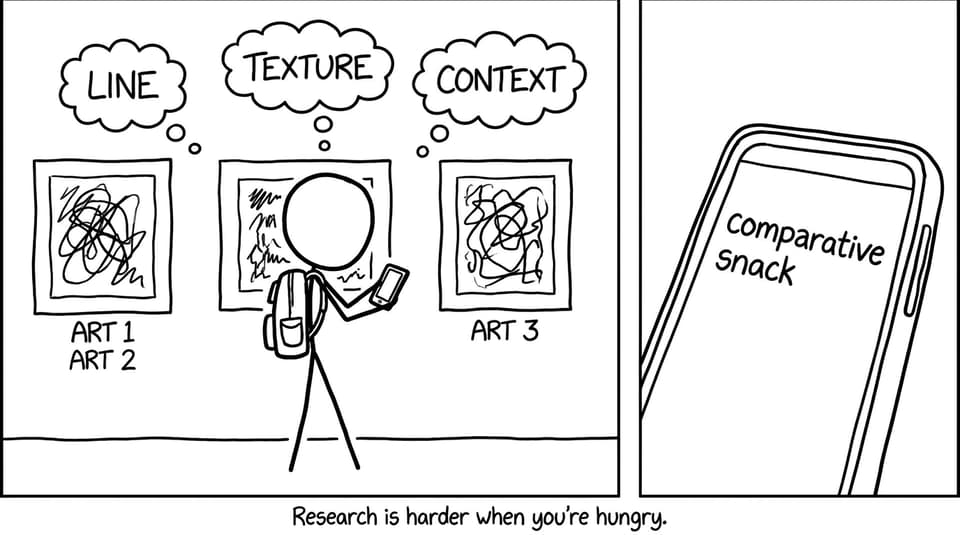
Choose works that invite comparison.
-
Analyze formal qualities (line, color, texture, composition).
-
Research context (cultural, historical, political).
-
Write a short reflection: How does this influence my next experiment?
For step-by-step guidance, read How to Prepare for the IB Visual Arts Comparative Study and keep it open while you draft.
If you get stuck choosing artists, Best Artists to Research for IB Visual Arts is a practical starting place.
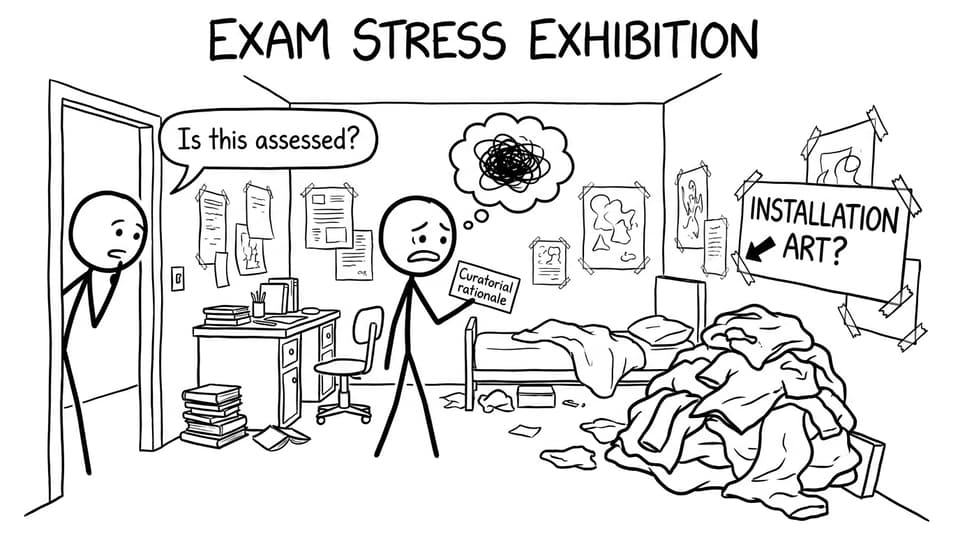
Curate your exhibition like you’re telling one story
Self-studying IB Visual Arts often leads to a “greatest hits” problem: you make pieces you like, but they don’t speak to each other.
Try this instead:
-
Pick one central question your exhibition answers.
-
Select work that shows progression, not just polish.
-
Write your rationale like a guided tour: what you explored, what shifted, why these works belong together.
To strengthen that “voice,” read How to Connect Personal Voice in Your IB Visual Arts Portfolio. It’s one of the clearest ways to turn independent work into coherent assessed work.
A simple 12-month self-study plan for IB Visual Arts
This is a realistic pacing model for IB Visual Arts self-study. Adjust it to your schedule, but keep the sequence.
Months 1-3: Foundations and theme discovery
-
Read requirements and criteria summaries
-
Test 3-5 media/approaches quickly
-
Start artist research with short analyses
-
Write weekly reflections (even if they’re messy)
Months 4-7: Production and deeper research
-
Build a consistent making routine
-
Create a larger set of experimental outcomes
-
Draft comparative study structure
-
Start selecting likely exhibition pieces early
Months 8-10: Refinement and coherence
-
Redo weaker experiments with clearer intent
-
Tighten links between research and making
-
Begin assembling final pages/screens with consistent formatting
Months 11-12: Final assembly and feedback
-
Finalize comparative study writing and visuals
-
Curate and sequence exhibition works
-
Polish reflections so they show cause-and-effect
RevisionDojo can support this workflow with Study Notes for structured explanations, AI Chat for quick clarification when you’re stuck, and Grading tools to check whether your writing actually matches criteria language. For timed exam confidence in other IB subjects while you build art, the Questionbank, Mock Exams, and Predicted Papers help keep your overall workload balanced.
Closing: self-study works when your process is visible
Self-studying IB Visual Arts is possible, but only if your work leaves footprints. Examiners can’t grade the late-night breakthroughs you didn’t record. They grade the trail: experiments, research connections, reflections, and a coherent body of work that shows you becoming more intentional.
If you want a calmer way to build that trail, use RevisionDojo as your studio backbone: Coursework Library exemplars for benchmarks, AI Chat for quick guidance, Flashcards for sharper analysis language, and Tutors when you need honest critique.
For more Group 6 guidance, keep these open as you plan: Choosing Your Group 6 Subject: A Comprehensive Guide, Understanding Assessment in IB Group 6 Subjects, and Scoring in IB Group 6 Subjects: Strategies and Insights.
Your theme doesn’t need to be perfect. Your process needs to be consistent. That’s how IB Visual Arts self-study turns into real results.