


If you have ever stared at a blank Process Portfolio screen thinking, “I need artist research… but where do I even start?”, you are in familiar territory.
In IB Visual Arts, researching artists is not a polite academic side quest. It is the backbone of how examiners see your thinking: how you connect artworks to cultural context, how you borrow techniques without copying, and how your own work evolves from influence into intention.
This guide shares the best artists to research for IB Visual Arts, organised by themes that consistently work well for the Comparative Study, Process Portfolio, and Exhibition.
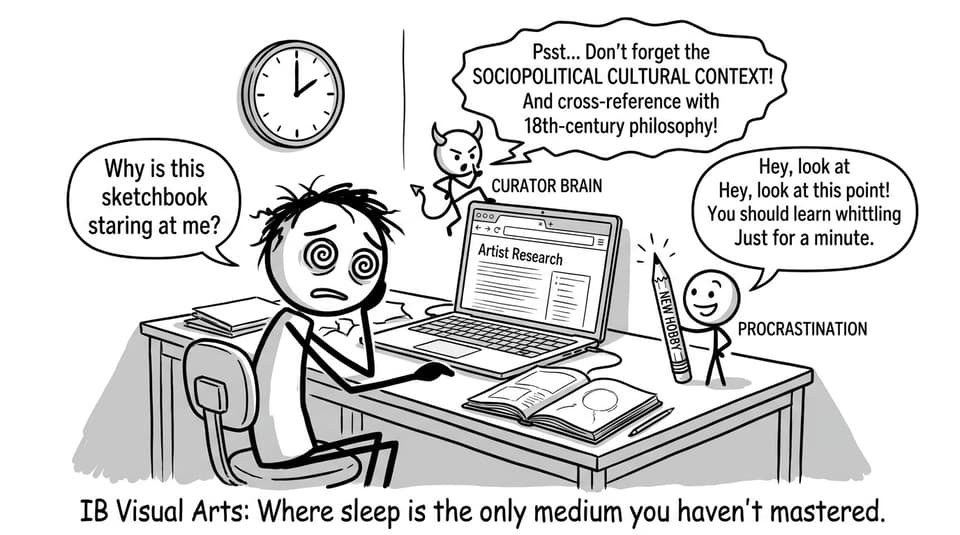
Quick checklist: how to choose artists for IB Visual Arts
Before the list, use this simple filter. In IB Visual Arts, strong artists are the ones who help you write better analysis and make better experiments.
-
Choose 2-3 artists per theme with clearly different contexts.
-
Make sure you can analyse formal qualities (materials, composition, process).
-
Look for artists who help you show cultural context and intention.
-
Pick at least one artist whose methods you can test and document.
-
Keep your selection aligned with the criteria (see IB Visual Arts assessment criteria explained).
If you are building your Comparative Study, these guides help you stay structured: How to prepare for the Comparative Study and Comparative Study structure step by step.
Best artists to research for IB Visual Arts (by theme)
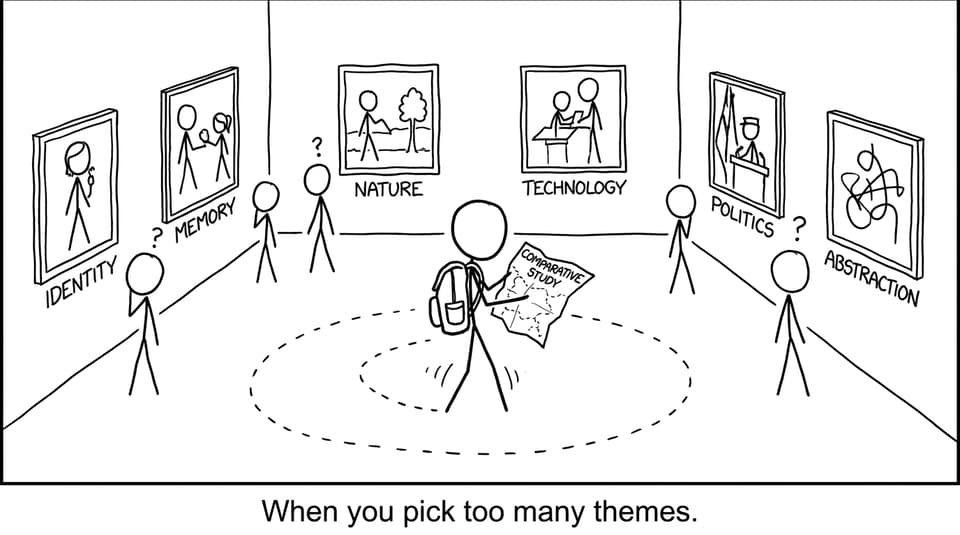
Think of themes as a curatorial shortcut. In IB Visual Arts, themes help you compare artworks without forcing connections.
Identity and self-expression in IB Visual Arts
Artists who make identity visible tend to produce the clearest Comparative Study writing because you can analyse symbolism, pose, medium, and cultural setting.
-
Frida Kahlo: self-portraiture, symbolism, pain, heritage, and personal narrative.
-
Zanele Muholi: photography addressing race, gender, and LGBTQ+ identity, often with powerful visual strategies.
-
Cindy Sherman: staged photography, constructed personas, and critique of representation.
If your theme is forming slowly, it helps to browse best themes for IB Visual Arts process portfolios and then match artists to the direction you want.
Memory and the human experience in IB Visual Arts
Memory is practical: it naturally leads to mixed media, archival materials, layering, and installation, which supports experimentation in IB Visual Arts.
-
Christian Boltanski: installation, archives, loss, and the fragile feel of remembrance.
-
Tracey Emin: autobiography, confession, and emotionally direct mark-making.
-
Anselm Kiefer: history, trauma, materiality, and scale.
If you struggle to move beyond “this artwork shows…”, read common Comparative Study mistakes and how to fix them. It is the fastest way to turn description into analysis.
Nature and environment in IB Visual Arts
Environmental themes let you connect materials and meaning: what the work is made of becomes part of what it says.
-
Georgia O’Keeffe: close observation, abstraction of nature, and composition.
-
Andy Goldsworthy: ephemeral sculpture, process documentation, and site-specific thinking.
-
Agnes Denes: conceptual environmental work that makes “research” feel urgent and contemporary.
To keep your Process Portfolio strong, pair research with proof of risk-taking. This guide helps: how to show experimentation in your Process Portfolio.
Technology and modern life in IB Visual Arts
Technology themes can easily become vague (“social media is bad”). These artists help you stay visually specific.
-
Nam June Paik: video art pioneer, media critique, and playful experimentation.
-
Refik Anadol: data-driven and AI-based installations that open up discussion about authorship.
-
Barbara Kruger: text plus image, design language, and critique of consumerism.
For many students, tech themes work best when linked to your exhibition plan. Use how to smartly plan and execute your Visual Arts exhibition.
Social and political issues in IB Visual Arts
This is where cultural context becomes non-negotiable. In IB Visual Arts, examiners reward clarity: what issue, whose perspective, what visual strategies, what impact?
-
Ai Weiwei: installation, activism, and the politics of materials.
-
Kara Walker: silhouettes, history, power, and discomfort as a deliberate tool.
-
Banksy: street art, public space, and satire.
If you want higher marks, learn to write context properly: how to integrate cultural context into your Comparative Study.
Form, abstraction, and experimentation in IB Visual Arts
Some students avoid abstraction because it feels “hard to explain”. Ironically, it often becomes easier to analyse because the formal qualities are the point.
-
Pablo Picasso: fragmentation, multiple viewpoints, and rethinking form.
-
Wassily Kandinsky: abstraction, music, and emotional colour logic.
-
Yayoi Kusama: repetition, immersion, and obsessive pattern as concept.
If you are unsure what your IB Visual Arts components demand overall, start here: What is IB Visual Arts?.
How to research artists (without wasting screens)
In IB Visual Arts, the best research is the kind that changes your next experiment.
-
Go beyond biography: write about process, materials, audience, and context.
-
Add micro-analyses: one artwork, one paragraph on composition, one on meaning.
-
Make it practical: “I will test this by…” then show the test.
-
Keep your layout intentional: see how to structure your Process Portfolio.
Conclusion: let IB Visual Arts research change your art
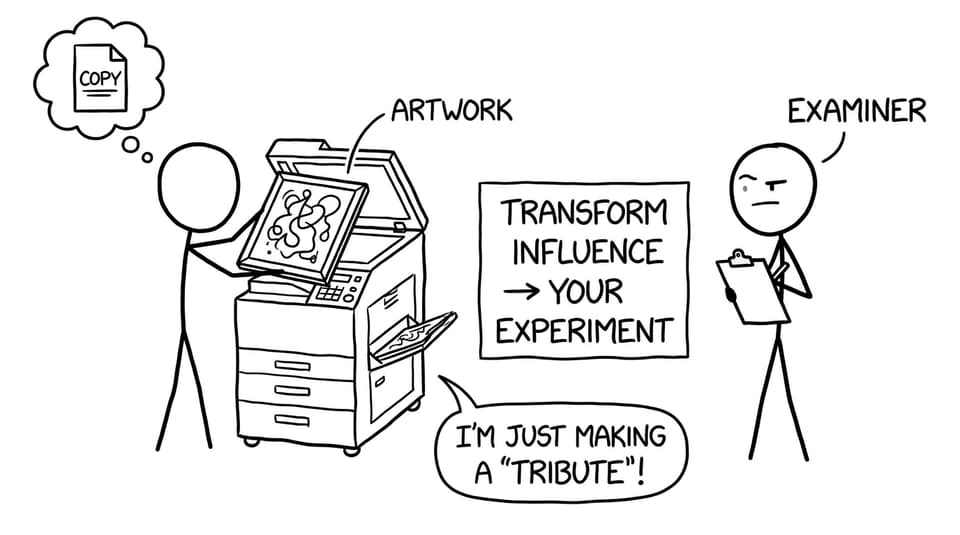
The best artists to research for IB Visual Arts are not simply the most famous. They are the ones who give you something you can analyse clearly, compare honestly, and test in your own work.
When you pair smart artist choices with disciplined documentation, your Comparative Study gets sharper, your Process Portfolio becomes more intentional, and your Exhibition feels curated rather than collected.
If you want to turn artist research into marks, RevisionDojo helps you do it strategically: build confidence with Study Notes and Flashcards, test your understanding with the Questionbank, refine writing with AI Chat, and get targeted feedback using Visual Arts Grading tools, Mock Exams, Predicted Papers, and the Coursework Library. If you are stuck, RevisionDojo Tutors can help you shape a theme and choose artists that actually fit your voice in IB Visual Arts.


