
The moment grade boundaries start living rent-free in your head
There’s a specific kind of IB panic: you finish a practice Paper 1, do the maths, and then stare at a number like it’s a verdict. That’s why IB English A Literature SL Grade Boundaries 2025 (TZ2): Orals, Papers & Final Grades matter so much. They turn your raw marks from the oral and papers into something you can actually aim at.
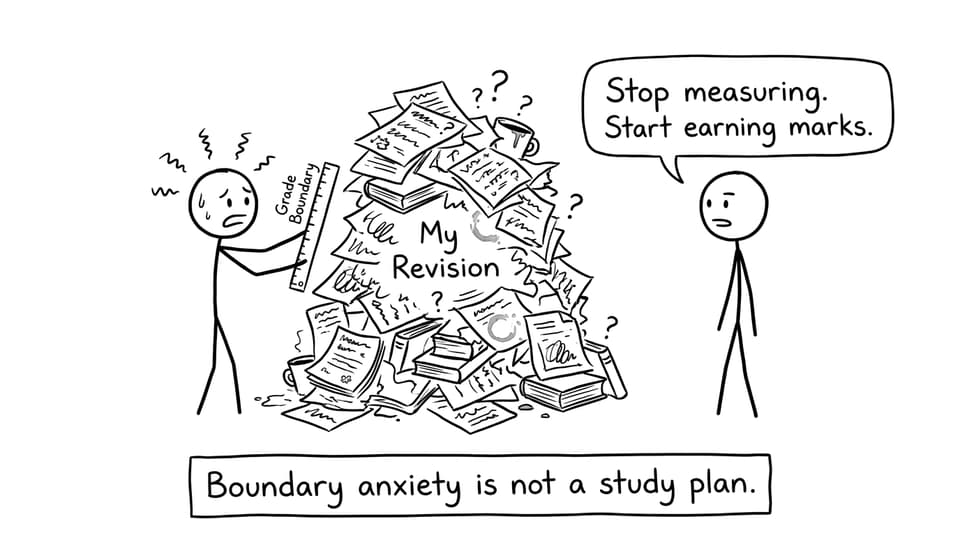
But here’s the quiet truth: grade boundaries are most useful when they reduce noise. They help you set targets for the Individual Oral (IO), Paper 1, and Paper 2, then build a plan that earns marks reliably.
Quick checklist: how to use grade boundaries (without spiralling)
-
Convert your recent scores using IB English A Literature SL Grade Boundaries 2025 (TZ2): Orals, Papers & Final Grades.
-
Identify which component is cheapest to improve (often IO structure or Paper 1 method).
-
Train that component weekly using timed practice and fast feedback.
-
Recheck every two weeks using the IB Grade Calculator.
If you want the official tables in one place, bookmark IB Grade Boundaries.
IB English A Literature SL Grade Boundaries 2025 (TZ2): Orals, Papers & Final Grades
Internal Assessment (Oral): out of 40
-
Grade 7: 34-40
-
Grade 6: 29-33
-
Grade 5: 24-28
-
Grade 4: 19-23
-
Grade 3: 13-18
-
Grade 2: 7-12
-
Grade 1: 0-6
Want to practise the IO like a repeatable skill (not a one-time performance)? Use the IB Oral (IO) Guide: Language & Lit and Literature and pair it with the IB English Individual Oral: Strategies + Practice Tools.
Paper 1: out of 20
-
Grade 7: 16-20
-
Grade 6: 13-15
-
Grade 5: 10-12
-
Grade 4: 7-9
-
Grade 3: 5-6
-
Grade 2: 3-4
-
Grade 1: 0-2
For a clear routine, keep IB English Paper 1 Revision: A Step-by-Step Guide open while you practise, then drill targeted skills using the IB English A Lit Paper 1 Notes & Questions.
Paper 2: out of 30
-
Grade 7: 26-30
-
Grade 6: 21-25
-
Grade 5: 17-20
-
Grade 4: 12-16
-
Grade 3: 8-11
-
Grade 2: 4-7
-
Grade 1: 0-3
Paper 2 rises fast when your comparison becomes automatic. Two strong supports: Step-by-Step Guide to Comparative Literary Essays (Paper 2) and Structuring Your IB English Paper 2 Essay.
Final grade boundaries: out of 100
-
Grade 7: 81-100
-
Grade 6: 66-80
-
Grade 5: 53-65
-
Grade 4: 38-52
-
Grade 3: 25-37
-
Grade 2: 12-24
-
Grade 1: 0-11
To understand why boundaries shift and why you shouldn’t obsess over tiny changes, read IB Grade Boundaries: How They're Actually Calculated.
A calm way to push your total up (fastest mark gains)
Use IB English A Literature SL Grade Boundaries 2025 (TZ2): Orals, Papers & Final Grades to set a conversion target, then train what the rubric rewards.
-
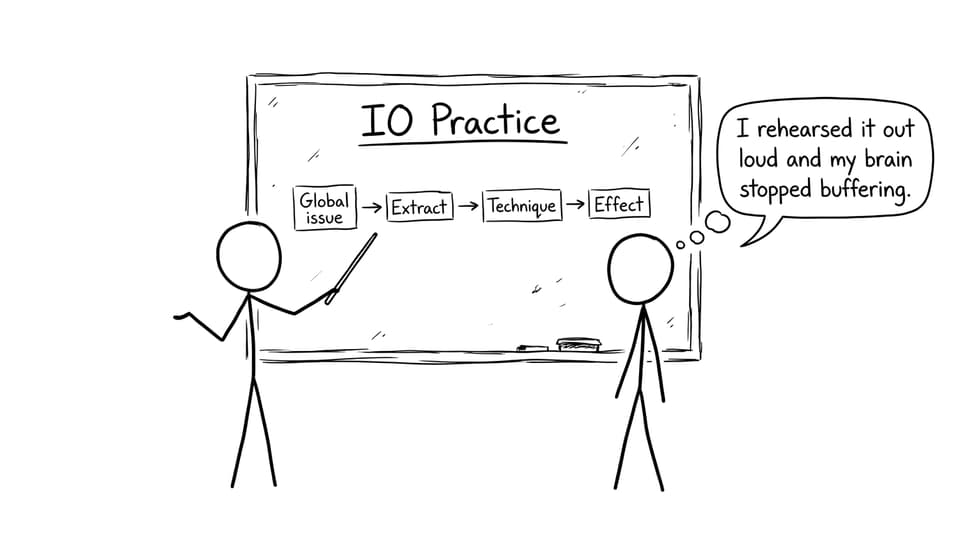
IO: rehearse one global-issue line and two technique chains per extract. Use RevisionDojo’s AI Chat to test your logic and the Grading tools to self-check clarity.
-
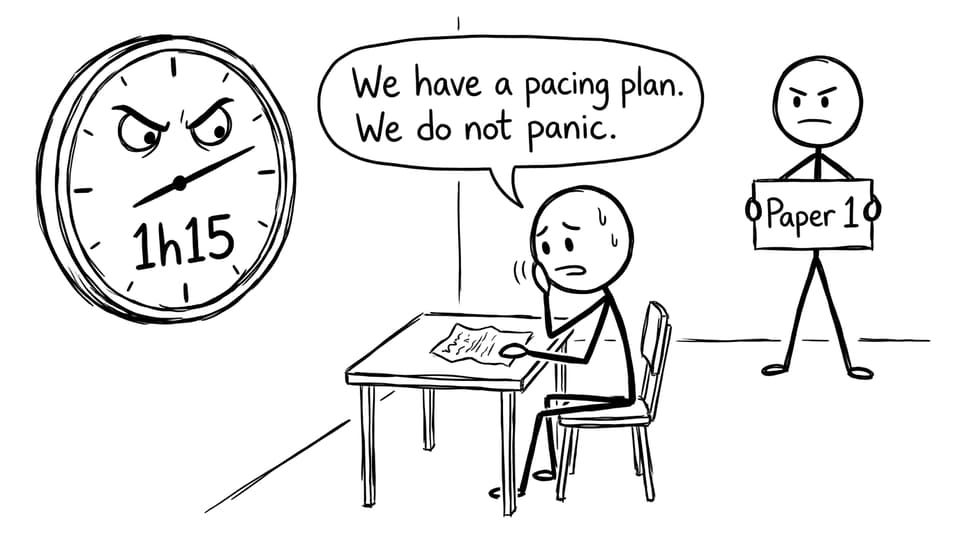
Paper 1: build a repeatable method (thesis + 3 technique paragraphs). Use Study Notes and Flashcards to stop repeating the same mistakes.
-
Paper 2: plan point-by-point comparisons. Use Mock Exams and Predicted Papers to rehearse under time, then refine with feedback.
All of this becomes simpler when your practice is organized in one place: RevisionDojo’s Questionbank, Study Notes, Flashcards, AI Chat, Mock Exams, Predicted Papers, Coursework Library, and optional Tutors support.
FAQ
Are these grade boundaries fixed before the exam?
No. IB grade boundaries are set after marking, based on how students performed and how difficult the papers were. That’s why it’s smarter to use IB English A Literature SL Grade Boundaries 2025 (TZ2): Orals, Papers & Final Grades as a planning tool, not a prediction game. If you focus on controllables (structure, evidence, analysis), your score becomes less sensitive to small boundary shifts. Many students lose time chasing rumors instead of building repeatable exam habits. The best approach is to set a target band, then train until your practice scores live there consistently. RevisionDojo helps by turning practice into measurable mark gains through feedback loops.
What’s the quickest way to move from a 5 to a 6?
Usually, it’s not “knowing more texts”; it’s writing and speaking with more control. In Paper 1, that means fewer techniques, explained more deeply, always linked to purpose and effect. In the IO, it often means a clearer global issue and smoother signposting so the examiner always knows where you are in the argument. In Paper 2, it’s integrated comparison: both texts in every paragraph, not two mini-essays. Track your component marks against IB English A Literature SL Grade Boundaries 2025 (TZ2): Orals, Papers & Final Grades and choose the component with the biggest gap. Then practise that one twice as often for two weeks. You’ll feel the difference quickly because your writing becomes more predictable.
How do I turn grade boundaries into a weekly revision plan?
Start by converting your latest IO, Paper 1, and Paper 2 scores into approximate grade bands. Then choose one specific output for each week: one timed Paper 1, one Paper 2 plan + one paragraph, and one IO rehearsal section. After each practice, use a rubric check (or RevisionDojo’s Grading tools) to identify one repeatable fix, like stronger thesis wording or tighter comparative links. Turn that fix into Flashcards so it stops being a “comment” and becomes a habit. Use the Questionbank for focused drills and finish with a timed Mock Exam every week or two. Finally, re-check your totals against IB English A Literature SL Grade Boundaries 2025 (TZ2): Orals, Papers & Final Grades so your plan stays anchored to marks.
Final thought: boundaries don’t award grades, habits do
Use IB English A Literature SL Grade Boundaries 2025 (TZ2): Orals, Papers & Final Grades to set your target, then spend your energy where marks come from: clear arguments, technique-driven analysis, and calm timing. When you’re ready to make practice feel structured (and honestly, less lonely), RevisionDojo is built for exactly this: targeted Questionbank drills, reliable Study Notes, fast AI Chat support, and exam-style Mock Exams and Predicted Papers that turn effort into score.