

If you have ever watched someone move across a stage and thought, I want to say something like that without speaking, then IB Dance probably feels less like a subject and more like a dare. A beautiful one. But IB students do not just choose subjects for beauty. You choose them for points, pressure, and the strange reality that deadlines arrive whether you feel inspired or not.
So is IB Dance worth taking? If you are preparing for exams and trying to build a diploma that makes sense for your future, this guide breaks down what IB Dance really asks of you, what it gives back, and how to decide with clear eyes.
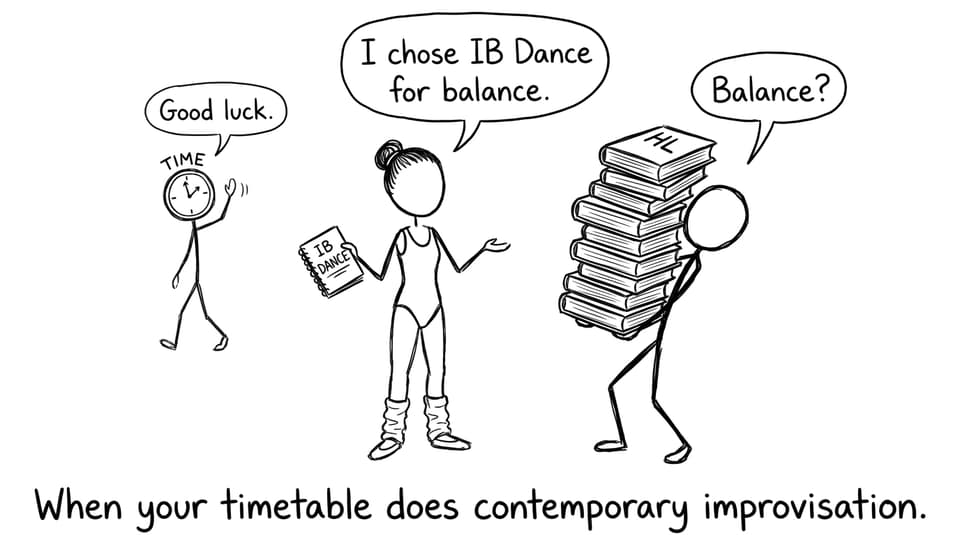
IB Dance in one glance (quick checklist)
Before you commit to IB Dance, check these boxes:
-
You enjoy both performing and writing about performance.
-
You can handle a subject where your body and your brain both get assessed.
-
You are willing to plan weeks ahead (because filming, feedback, and reflection take time).
-
You like exploring dance in cultural and historical contexts.
-
You can balance rehearsals with other IB demands using a system, not hope.
If that list feels doable, IB Dance is often one of the most meaningful Group 6 choices.
Why IB Dance is worth it for the right student
The best part of IB Dance is that it treats dance as knowledge, not decoration. You are not only training technique. You are learning how meaning is built: through space, timing, relationships, dynamics, and intention.
That shows up in three big ways.
IB Dance builds rare “double strength”: creative + analytical
In many subjects, you either create or you analyse. In IB Dance, you do both, sometimes in the same week. You choreograph and then explain the choreographic process with clarity. You perform and then evaluate what the audience likely read from your choices.
This is why universities and employers like arts students who can write well: you practice translating instinct into language.
If you want a deeper outline of what you will study, keep Everything You Need to Know About the IB Dance Syllabus open while you decide.
IB Dance helps you stand out in Group 6
Group 6 students often worry their subject is “less academic.” IB Dance pushes back on that myth. The research, reflection, and analysis are real academic work, and you can pair the subject beautifully with Psychology, English, History, Biology (hello injury science), or even Math (pattern, structure, timing).
For context on how arts subjects are assessed, read Understanding Assessment in IB Group 6 Subjects.
IB Dance teaches discipline that transfers
A rehearsal does not care about your mood. A performance does not wait until you feel confident. IB Dance trains consistency, which is one of the most valuable IB survival skills.
RevisionDojo supports that consistency with tools that keep you moving even on low-energy days: Study Notes, Flashcards, a focused Questionbank, AI Chat, Grading tools, Mock Exams, Predicted Papers, a Coursework Library, and Tutors.
The honest challenges of IB Dance
Being worth it does not mean being easy. IB Dance has a few predictable pressure points.
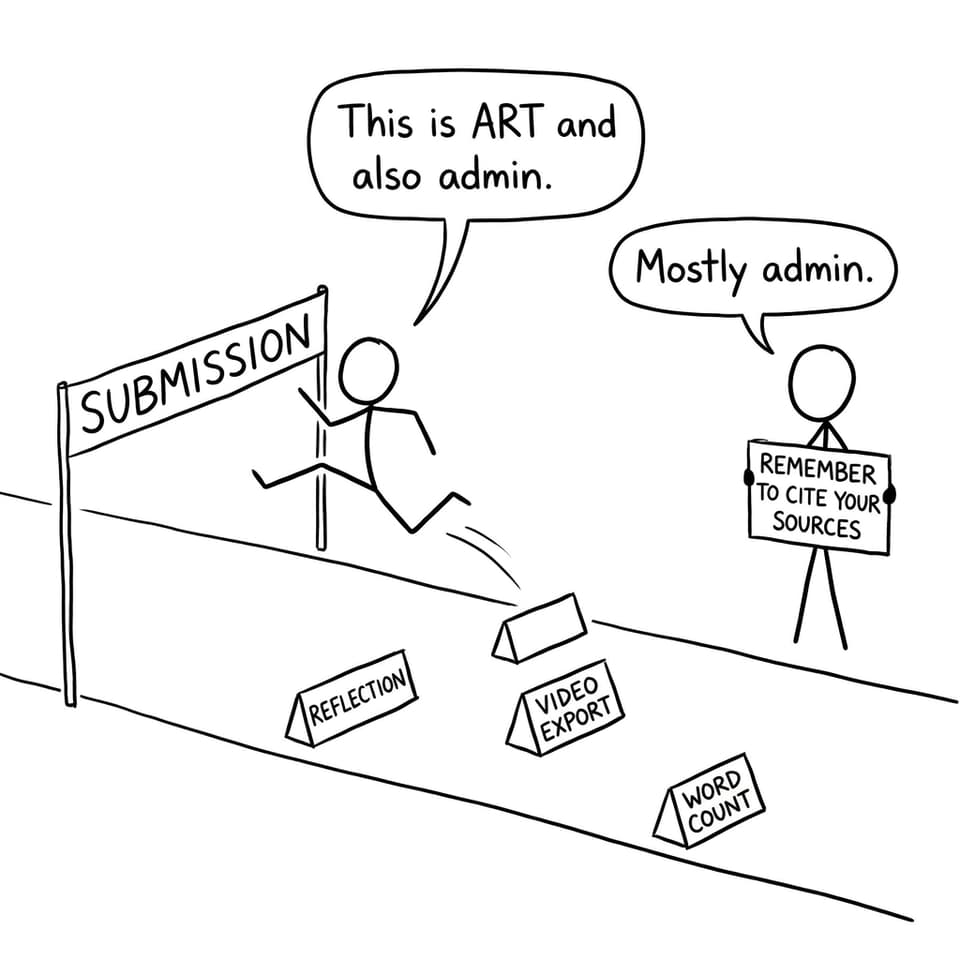
IB Dance is time-heavy in a sneaky way
The obvious time is class, technique, and rehearsal. The hidden time is filming, exporting, re-filming, writing reflections, and tightening analysis when you would rather rest.
If you need a realistic routine, How to Balance IB Dance Practice with Other Subjects is the best place to start.
IB Dance is physically demanding (and injury is a planning problem)
Injury risk is part of any serious movement practice. What matters is how you respond: smart warm-ups, sensible scheduling, and communication with teachers. Many students underestimate how much energy other HL subjects take and overbook their bodies.
A practical tip: build “recovery time” into your study plan the same way you schedule revision blocks.
IB Dance requires confident writing
Even strong dancers can lose marks if the writing is vague. “It looked nice” is not analysis. IB wants specific choices and specific effects. That is a learnable skill, but it takes practice.
If your revision feels unfocused, the broader IB loop in How to Study for IB Exams Without Burning Out helps you keep momentum.
How to decide if IB Dance fits your diploma goals
Ask yourself three questions:
Do I want this workload for this kind of reward?
IB Dance rewards students who like process. If you hate drafting, reflecting, and refining, you may find it draining.
Do I have support and structure?
This subject gets easier when you have tools that reduce friction. On RevisionDojo, students use AI Chat to clarify terminology, Flashcards to lock in key concepts, and Grading tools to understand rubric language faster.
If you want to see how the platform fits the bigger picture, explore RevisionDojo for IB.
Will this subject help my next step?
If you are curious about careers, this is worth reading: What Career Paths Can IB Dance Lead To?.
Closing: so, is IB Dance worth taking?
IB Dance is worth taking when you want a subject that values artistry and precision, emotion and explanation. It is demanding, but it teaches a kind of focus that spreads into your other subjects. And if you build the right system early, the workload becomes manageable instead of chaotic.
If you are leaning toward IB Dance, make your next step practical: use RevisionDojo to organise your revision with Study Notes, daily Flashcards, targeted Questionbank practice, AI Chat for quick clarity, and the Grading tools and Coursework Library when assessment pressure spikes. Your best performance is rarely a sudden leap. It is the quiet work you repeat when nobody is watching.