
The moment IB Dance becomes "real"
You can usually tell when IB Dance stops feeling like a fun studio elective and starts feeling like a full academic course: it’s the day you realize your choreography needs a rationale, your performance needs evidence, and your research needs citations. That’s the quiet truth of IB Group 6 Arts. You’re not only dancing; you’re building a case for why the dance works.
If you’re preparing for assessments, the best strategy is to understand the IB Dance syllabus as four connected threads. Pull one, and the others move.
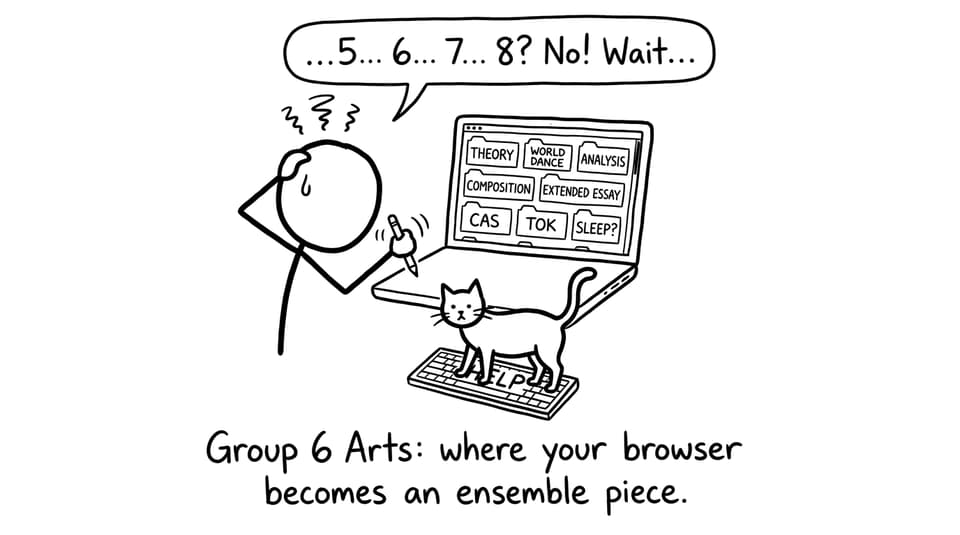
Quick checklist: what the IB Dance syllabus asks of you
Before you revise, make sure you can answer these:
-
Can I create original movement with intention (composition)?
-
Can I explain what I created using dance vocabulary (analysis)?
-
Can I perform with control and artistic clarity (solo + ensemble)?
-
Can I compare dance cultures with respect and specificity (world dance)?
-
Can I investigate a focused question and support it with sources (research)?
To keep your planning grounded, use RevisionDojo’s broader IB Group 6 Arts guidance for workload and expectations: How Many Hours a Week Should You Study for IB Group 6?
Composition and analysis: creativity with receipts
Composition is the part students love, until they have to explain decisions. In IB Dance, you’re assessed on more than originality; you’re assessed on craft: how you manipulate space, time, dynamics, and relationships.
Analysis is where marks quietly accumulate. Watch work like a choreographer, not a fan. Notice structure, motif development, transitions, and meaning. Then put it into language. This “translate movement into words” skill is a core habit across IB Group 6 Arts subjects.
When you need a consistent revision loop, RevisionDojo helps you switch from inspiration to evidence: RevisionDojo App: The Smarter Way to Prep for IB Exams
Performance: technique is visible, but criteria are invisible
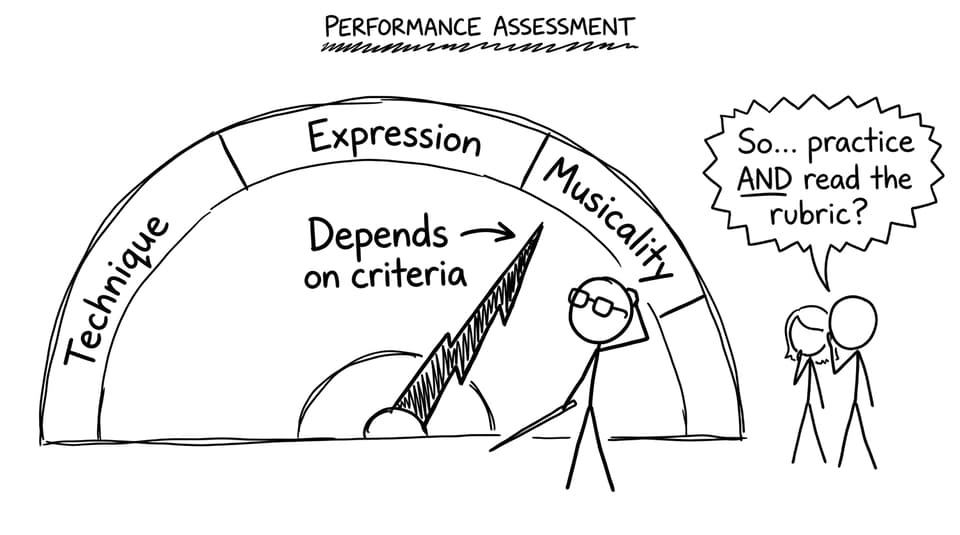
Performance is often assessed internally, but the standard is still external. The trap is thinking “I danced it cleanly, so I’m done.” Clean is a starting point. The syllabus expects purposeful expression, stylistic accuracy, and the ability to sustain choices under pressure.
A practical way to improve fast: record run-throughs, then self-mark with the same seriousness you’d apply to a written subject. RevisionDojo’s ecosystem makes this easier because you can pair reflection with tools like Flashcards (for key terminology), AI Chat (for quick clarification), and Grading tools (for rubric language habits).
For exam-season momentum and realistic pacing, build stamina with: How to Study for IB Mocks (Without Burning Out)
World dance studies: culture is not a costume
World dance studies rewards specificity: names, contexts, functions, aesthetics, and how meaning changes across time and place. The fastest way to lose marks is to generalize. The fastest way to gain them is to compare with clear criteria: training methods, audience relationship, use of space, symbolism, and musical structure.
If you want the wider landscape of IB Group 6 Arts subjects (Dance, Film, Music, Theatre, Visual Arts), browse: All IB Group 6 Arts Posts
Dance investigation: research that stays connected to movement
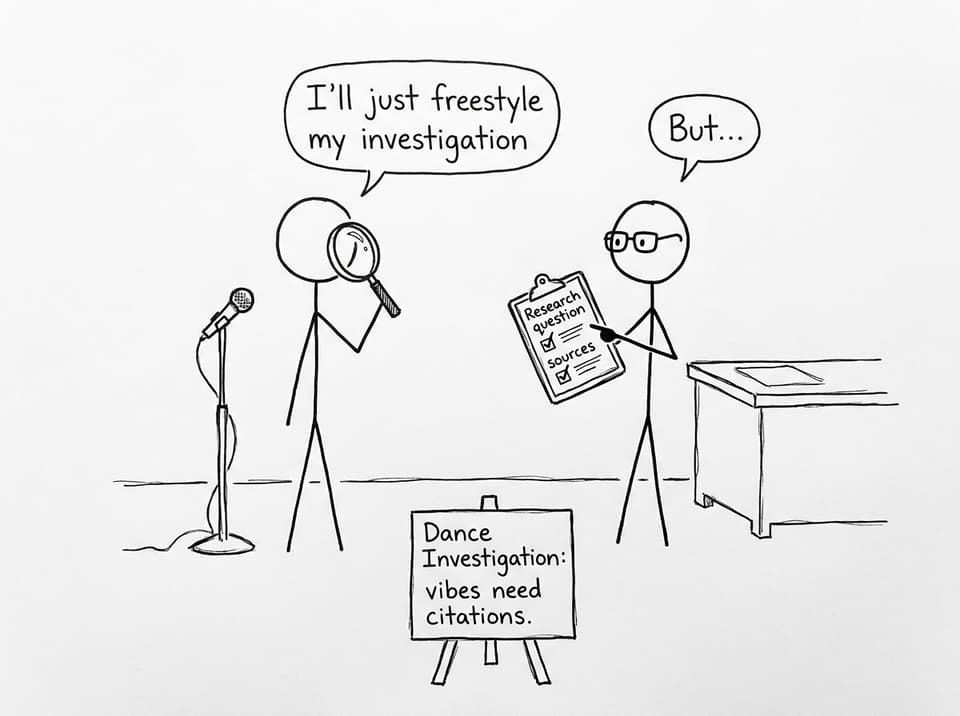
Your investigation should feel like dance thinking, not a generic school essay. Start with a tight question, define your terms, and choose sources that help you analyze movement choices (not just biographies or plot summaries).
A helpful tool when you’re working on dance research writing is a rubric-based check: IB Dance EE Grader
Assessment structure (in plain terms)
The IB Dance syllabus typically combines:
-
External assessment focused on composition/analysis and the investigation
-
Internal assessment focused on performance (solo and ensemble), moderated by IB
To keep your expectations realistic across the arts, it helps to understand level differences: Differences Between HL and SL in Group 6 Subjects
Bring it all together with RevisionDojo
The IB Dance syllabus rewards students who treat art like craft: create, reflect, test, refine. That mindset sits at the heart of IB Group 6 Arts. If you want one place to run the full loop, RevisionDojo connects Study Notes, Questionbank, Flashcards, AI Chat, Grading tools, Predicted Papers, Mock Exams, a Coursework Library, and Tutors, so your practice turns into progress.
When you’re ready, start by mapping your next two weeks of choreography, performance runs, and investigation writing. Then use RevisionDojo to make each session measurable, calm, and repeatable.