



If you have ever stared at a TOK prompt and felt your brain try to become a cloud, you are not alone. The good news is that TOK is not graded on vibes. It is graded on clear thinking, clear links, and hitting mark targets. That is why understanding the TOK 2025 grade boundaries matters: it turns “I hope this is good” into “I know what I need.”
Along the way, keep a reliable home base open like the IB Theory of Knowledge (TOK) resources hub so you can check requirements quickly while you plan.
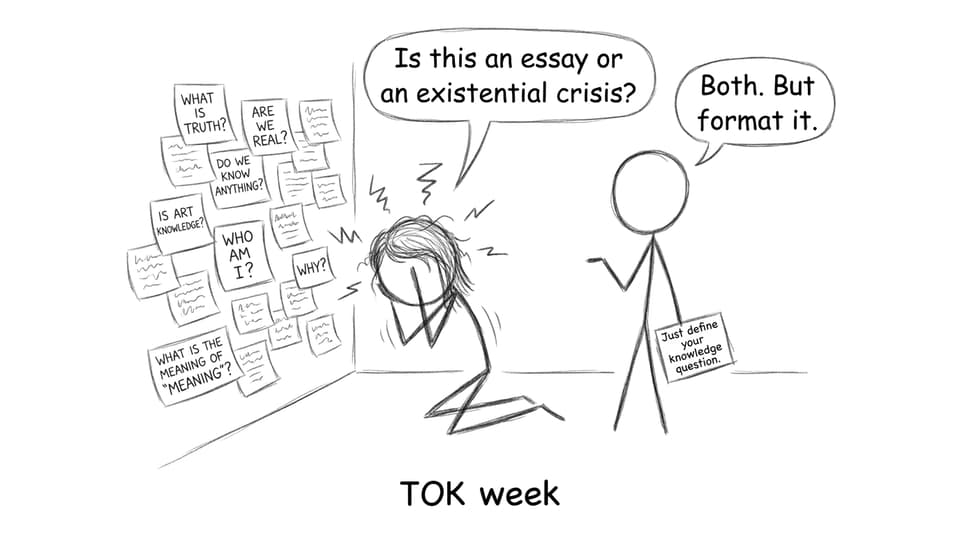
Quick checklist: how to use TOK grade boundaries
-
Translate each boundary into a target: “I need an 8/10, so what does that look like in my draft?”
-
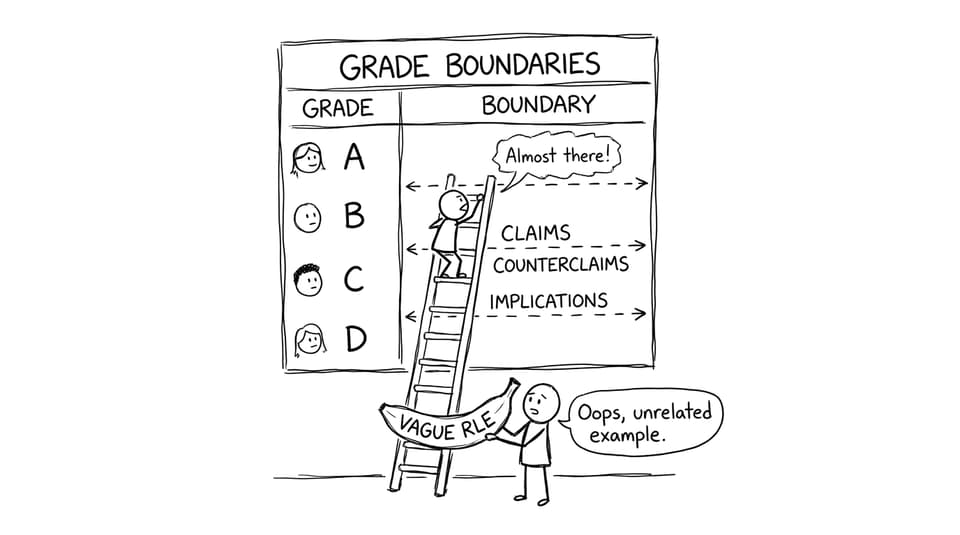
For the TOK essay, plan claim + counterclaim + evaluation (not just two opinions).
-
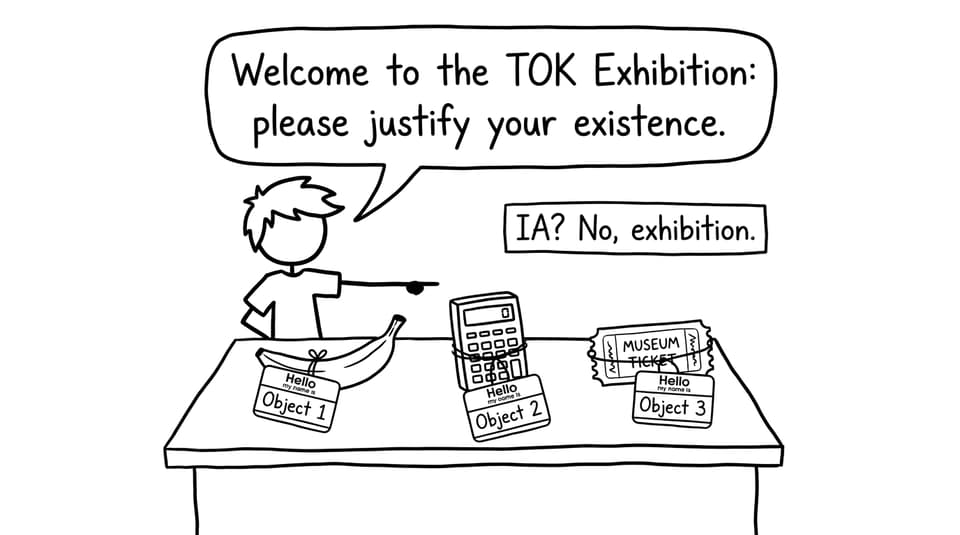
For the TOK exhibition, pick three objects that genuinely create three different angles.
-
Use rubric-aware feedback early, not the night before submission.
-
Build a repeatable revision loop (notes, flashcards, feedback, redraft).
If you want a structure-first walkthrough, pair this guide with TOK thinking and skills: how to succeed in IB TOK.
TOK 2025 grade boundaries (essay, exhibition, final)
These boundaries help you set practical goals for TOK.
TOK essay grade boundaries (out of 10)
-
Grade A: 8-10
-
Grade B: 6-7
-
Grade C: 4-5
-
Grade D: 2-3
-
Grade E: 0-1
For essay planning support, use TOK Essay study notes and, when you are choosing your angle, read TOK essay titles: what are knowledge questions?.
TOK exhibition grade boundaries (out of 10)
-
Grade A: 8-10
-
Grade B: 6-7
-
Grade C: 4-5
-
Grade D: 2-3
-
Grade E: 0-1
If the exhibition still feels mysterious, start with IB TOK Exhibition: your complete guide to success and tighten your object choices using Selecting TOK exhibition objects that score.
Final TOK grade boundaries (out of 30)
-
Grade A: 22-30
-
Grade B: 16-21
-
Grade C: 10-15
-
Grade D: 4-9
-
Grade E: 0-3
How to push your TOK mark toward an A
The jump from a 6/10 to an 8/10 in TOK is rarely about sounding smarter. It is about being more explicit.
For the TOK essay
Anchor everything to one knowledge question, then keep returning to it. A strong workflow is: outline with claims and counterclaims, draft fast, then refine using criterion-focused feedback. RevisionDojo helps here with Study Notes, Flashcards for key concepts, and AI Chat to test whether your knowledge question is actually debatable.
When your final paragraph feels weak, use Writing strong conclusions for Theory of Knowledge (TOK) essays.
For the TOK exhibition
Choose objects you can explain in one sentence of context, then one sentence of knowledge significance. If you are guessing where you stand, the IB TOK Exhibition Grader is built for rubric-level clarity. And if you want to see what good looks like, browse IB Theory of Knowledge (TOK) examples to calibrate your expectations.
FAQ about TOK 2025 grade boundaries
Are TOK 2025 grade boundaries guaranteed?
No. TOK grade boundaries can vary by session because they depend on overall performance patterns. Treat boundaries as smart targets, not promises. The real advantage is psychological: boundaries turn revision into measurable goals. When you know you are aiming for 8-10, your draft decisions change. You cut vague examples, tighten links, and add evaluation. That is the practical mindset shift that helps most students.
What is the fastest way to improve a TOK essay score?
The fastest improvement in TOK usually comes from sharpening your knowledge question and using it like a steering wheel. Many essays drift because each paragraph is “interesting” but not controlled by one central question. Add clear claims and counterclaims, then evaluate: under what conditions does each side hold? Use a specific real-world example, then explain what it shows about knowledge, not just what happened. If you need a planning backbone, follow step-by-step TOK essay strategies. Finally, use RevisionDojo’s Grading tools to get criterion-focused feedback before you finalize.
How do I know if my TOK exhibition objects are strong enough?
A strong TOK exhibition object does more than “match the theme.” It creates a real knowledge tension you can explain quickly and precisely. Each object should contribute a different angle, so you are not repeating the same insight three times. Context matters: specific objects with specific origins almost always score better than generic categories. Then your commentary must link the object to the prompt with explicit justification. To self-check, read How is the TOK exhibition graded? and run your draft through the TOK Exhibition Grader for a rubric-aligned reality check.
Final thought: make TOK measurable
TOK feels hard when it stays abstract. Grade boundaries make it concrete. Use the TOK 2025 boundaries above to set targets, then build a simple loop: clarify concepts with Study Notes, pressure-test your thinking with AI Chat, refine with Grading tools, and learn from the Coursework Library examples. When you want everything in one place, RevisionDojo is built to keep your TOK work structured, calm, and exam-ready.