



The quiet pressure inside TOK Prompt #4
A friend once told me the worst part of TOK isn’t the writing. It’s the moment you realize the title is judging your judgment. Prompt #4 (Nov 2026) does that perfectly: it asks whether the artist and the natural scientist should be equally concerned with ethical questions. In TOK terms, you’re not proving that ethics exists. You’re weighing whether the level of ethical concern should match across two Areas of Knowledge.
That one word--equally--is where high-scoring essays are born.
A fast TOK checklist for this title
Before you draft, run this TOK checklist:
-
Define what “equally concerned” means (equal obligation? equal risk? equal scrutiny?).
-
Define what counts as “ethical questions” (harm, consent, representation, accountability, misuse).
-
Turn the title into a clean knowledge question you can debate.
-
Build a claim and counterclaim for the arts and for the natural sciences.
-
Decide what “should” implies: rules, responsibilities, or personal moral duty.
If you need help converting the title into a knowledge question, use TOK Essay Titles: What Are Knowledge Questions? and keep your focus tight.
What “equally concerned” really tests in TOK
TOK Prompt #4 is not a ranking contest. Examiners don’t reward “science is dangerous so it matters more” or “art is subjective so it matters less.” They reward analysis of how ethical concern operates.
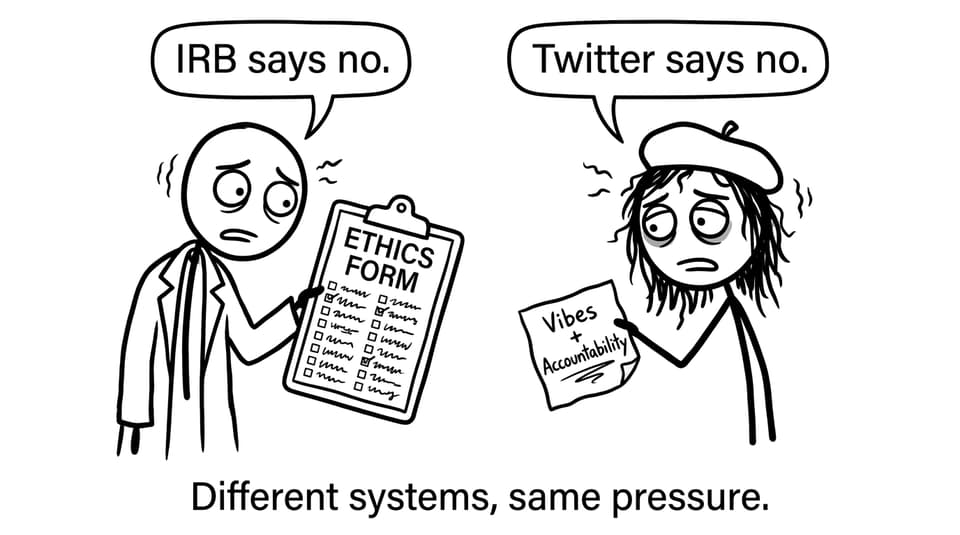
In the natural sciences, ethical concern is often institutional: review boards, consent procedures, publication norms, transparency, replication culture. In the arts, ethical concern is often social and interpretive: community response, criticism, reputational consequences, and long debates about representation.
Different mechanisms. Same underlying problem: knowledge and creativity can cause harm even when intentions are good.
For broader context on the whole session, see IB TOK Essay Prescribed Titles -- November 2026.
A strong way to structure your TOK argument
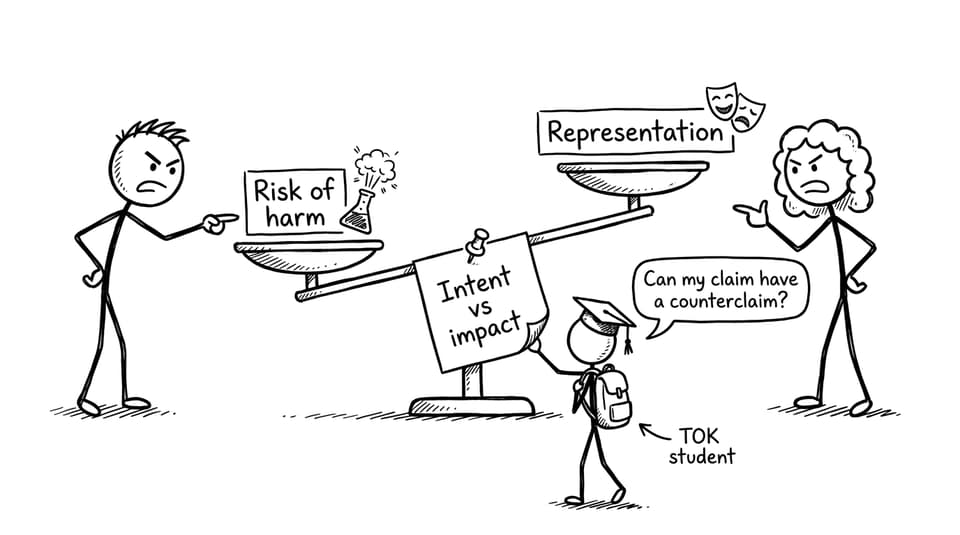
Claim: the natural sciences require higher ethical concern
In TOK, you can argue that science should carry heavier ethical concern because experiments and applications can create direct, measurable harm: unsafe trials, environmental damage, dual-use research, or misleading medical claims. The methods of science also scale quickly; one published result can be copied worldwide.
Counterclaim: the arts can harm differently, but still seriously
The arts can shape perception, normalize stereotypes, and influence political realities. Harm may be less “lab measurable,” but it can be culturally persistent. Ethical concern in art often centers on representation, consent (especially with real people or communities), and whether “aesthetic freedom” excuses exploitation.
Synthesis: equal concern, unequal systems
A nuanced TOK conclusion often lands here: the degree of ethical concern may be comparable, while the process for expressing it differs. Science may rely on formal gates; art may rely on public discourse. But both require responsible knowers.
If you want a reliable paragraph-by-paragraph framework, use Comprehensive Guide to IB TOK Essay Structure or Structuring for Success in IB TOK Essays.
Common TOK mistakes to avoid
-
Answering “does ethics matter?” instead of “to what extent should concern be equal?”
-
Staying abstract (“art affects society”) without specific, discussable examples.
-
Only describing ethical rules in science without evaluating whether they succeed.
-
Forgetting ‘should’: TOK Prompt #4 is normative, not just descriptive.
For practical writing habits, see Tips for Writing a Clear and Coherent TOK Essay and How to Choose a TOK Essay Title That Works for You.
Closing thought: what RevisionDojo adds to your TOK preparation
TOK Prompt #4 is really asking what kind of knower you want to be: someone who celebrates freedom and discovery, but still counts the cost. If you want to turn that reflection into examiner-ready writing, RevisionDojo helps you move from vague ideas to disciplined arguments--using TOK Study Notes, Flashcards, AI Chat for brainstorming claims/counterclaims, and Grading tools to refine clarity. When you’re ready to practice under pressure, Mock Exams and Predicted Papers help you rehearse structure, not just content. Start with IB Theory of Knowledge Resources and build a TOK essay that treats ethics as analysis, not decoration.