

When people talk about the IB, they usually talk about grades.
But the quiet advantage of IB Languages is that they change how you think.
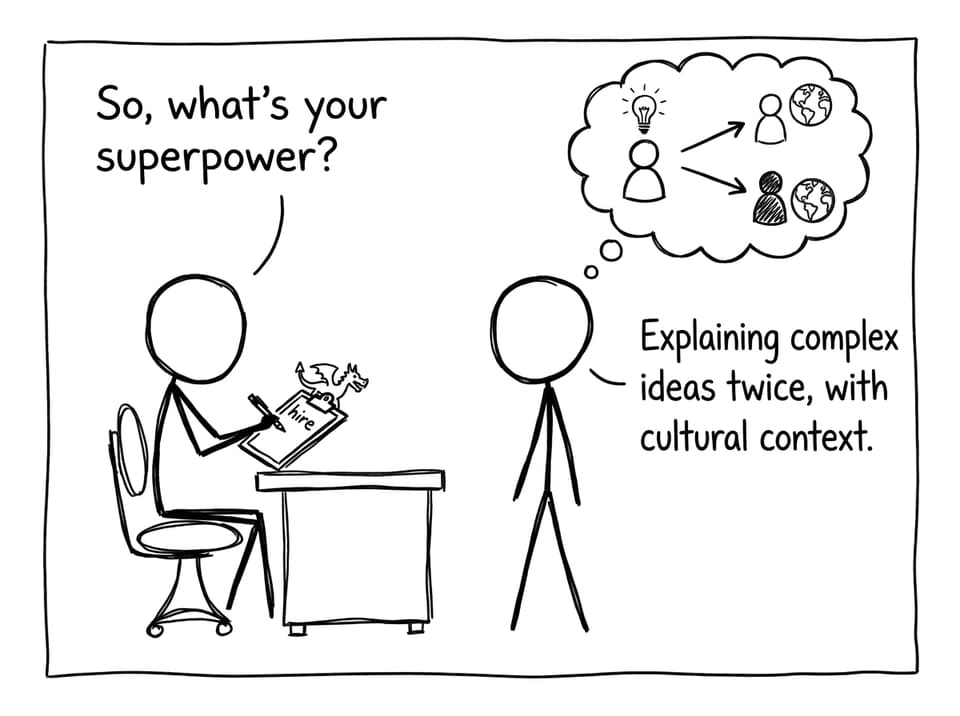
A student doesn’t just learn new words in IB Chinese B. They learn how to hold two versions of the same idea in their head, choose what matters, and say it clearly to a real audience. That habit is unusually valuable in future studies: seminars, research projects, presentations, interviews, and group work where communication is half the grade even when the syllabus doesn’t admit it.
If you’re an IB student preparing for exams, here’s the bigger picture: doing well in Chinese B now isn’t only an exam strategy. It’s a long-term study skill, built through the daily discipline of IB Languages.
Quick checklist: the “future studies” benefits of IB Chinese B
Use this as a simple way to connect your day-to-day revision to what universities actually reward.
-
You train academic communication (structured speaking and writing)
-
You build cultural literacy (reading texts with context, not just translation)
-
You learn study consistency (small practice beats heroic cramming)
-
You develop transferable skills (argument, clarity, reflection)
-
You signal rigor on applications through IB Languages choices
For exam structure and expectations, keep the official format in your head while you revise using What to Expect from IB Chinese B Exams: 2025 Overview.
What IB Chinese B actually is (and why it matters)
IB Chinese B sits in Group 2: language acquisition. It’s designed for learners with prior experience, but not native-level proficiency. In practice, it’s a course that expects you to handle real communication across the four core skills: reading, listening, writing, and speaking.
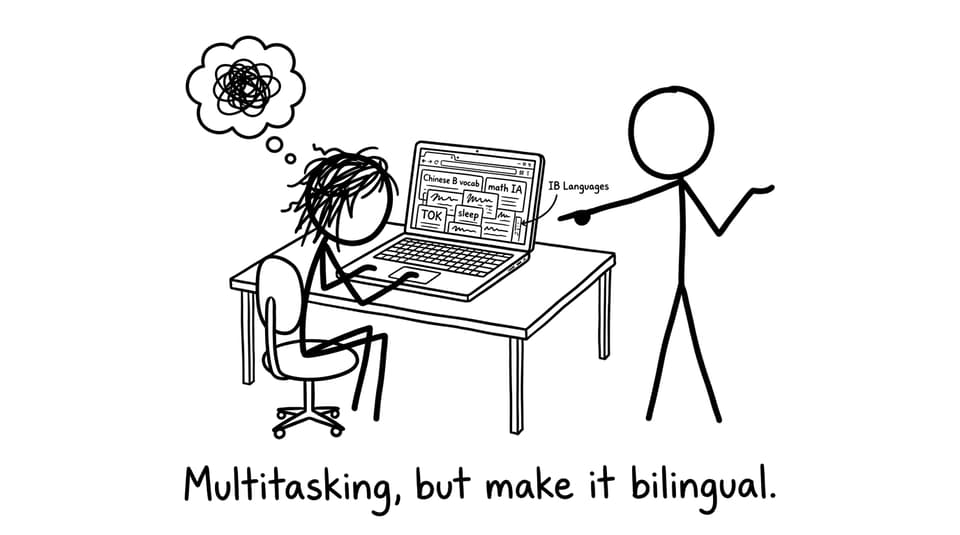
That balance is why IB Languages courses tend to have “spillover” benefits. You are constantly switching modes: decoding meaning, producing meaning, responding under time pressure, and doing it with cultural awareness.
If you want a clear baseline of what the course includes (and SL vs HL expectations), use What Is IB Chinese B? A Complete Beginner's Guide. It’s also helpful when you’re making a revision plan that matches the assessment, not just your textbook.
How IB Languages strengthen your child’s future studies (starting now)
Future studies aren’t just “harder content.” They’re more independent, more discussion-based, and more writing-heavy. IB Chinese B helps with that in surprisingly direct ways.
You learn to communicate like a university student
In many degrees, the hidden curriculum is communication: explaining your reasoning, presenting evidence, anticipating counterarguments, and staying coherent under pressure.
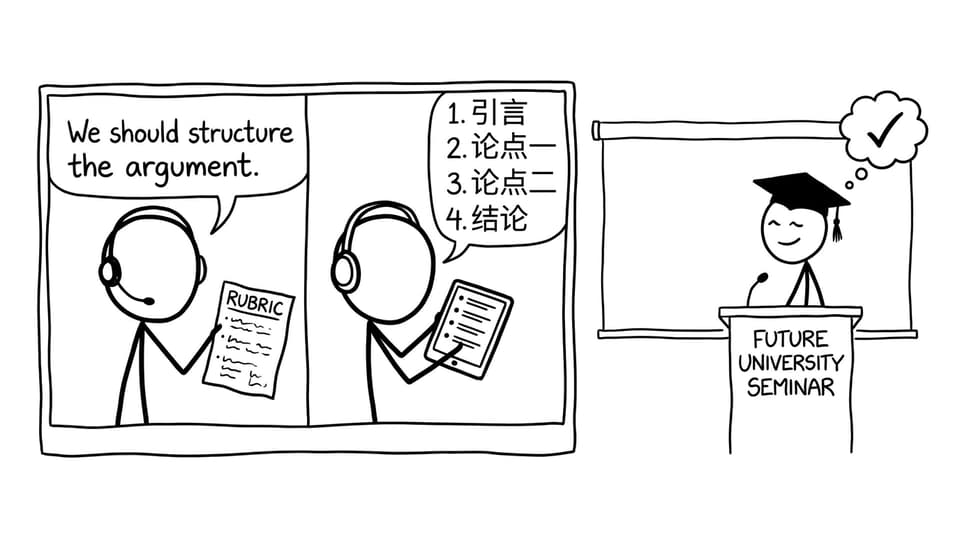
IB Chinese B forces that early. The writing tasks require tone, audience awareness, and structure. The oral component trains you to speak with intention rather than just “say what you know.” Over time, that becomes a default setting you take into future studies.
To link this to exam performance, build your revision around the five themes so your vocabulary and examples are reusable across tasks. A strong theme bank is one of the simplest ways IB Languages become easier.
Start here: The Five Core Themes of IB Chinese B Explained.
You practice critical thinking without calling it “critical thinking”
In many subjects, students can hide behind memorization for a long time.
In IB Languages, memorization helps, but it doesn’t finish the job. You still have to interpret: Why does this phrase fit here? What is the implication? What does the tone suggest? What cultural assumption is inside the text?
That interpretive habit is what future studies demand in history essays, psychology evaluations, business case studies, and even STEM lab discussions. Chinese B gives you a daily micro-version of that process.
You develop consistency that future study requires
A language punishes procrastination gently but relentlessly. If you don’t practice, you don’t progress. There’s no shortcut.
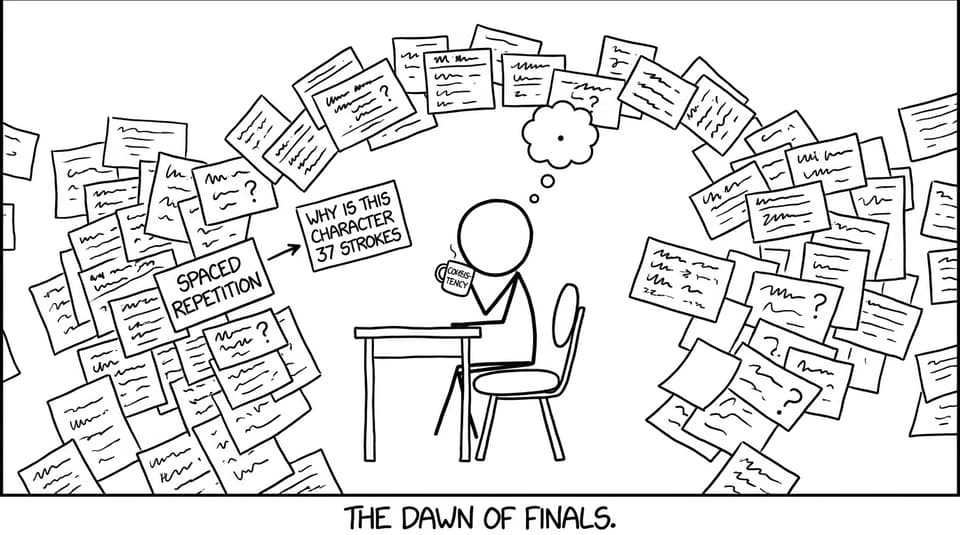
That’s a gift in disguise. Universities reward students who can run steady systems: weekly review, spaced repetition, targeted feedback. IB Languages teach you that pattern because the course is too big to “save for later.”
If you want practical ways to make revision feel lighter, follow a structured guide like How to Revise Effectively for IB Chinese B Exams. Treat it like training, not punishment.
Why universities and programs value IB Languages (even outside language degrees)
Admissions teams aren’t only scanning for subjects. They’re scanning for signals.
Choosing Chinese B within IB Languages often signals:
-
Academic courage (you took a challenging language path)
-
Global readiness (you can operate across cultures)
-
Communication strength (writing and speaking don’t scare you)
-
Self-management (language learning requires routine)
Even if you plan to study economics, engineering, medicine, or computer science, those signals help. Not because “Chinese guarantees admission,” but because it helps you look like someone who can handle complex environments.
A practical step: if you’re unsure how to plan your independent work, pair your school resources with targeted revision tools. This is where RevisionDojo becomes an advantage in the IB workflow.
How to turn Chinese B into an exam win (and a long-term skill) with RevisionDojo
Most students don’t fail IB Languages because they’re “bad at languages.” They struggle because they revise passively: rereading lists, rewriting notes, hoping familiarity turns into fluency.
RevisionDojo is built to make your practice active and measurable:
-
Use the Questionbank for exam-style skill practice and feedback: Questionbank
-
Turn vocabulary and structures into daily retrieval practice: Flashcards
-
Build clarity fast with structured, searchable explanations: Study Notes
-
Get targeted marking for writing responses using grading support: IB Chinese B Paper 1 30 Marker Grader
-
Study smart strategies for practice routines: IB Question Bank | How to Use It Effectively
RevisionDojo also supports the bigger ecosystem around IB success: AI Chat for quick clarification, Mock Exams for stamina, Predicted Papers for realistic rehearsal, a Coursework Library for models, and Tutors when you need a human to close specific gaps.
If you want a guided starting point, explore the subject hub: IB Chinese B Resources.
Common career pathways that start with IB Languages (without locking you in)
It’s easy to hear “Chinese is useful” and think only of translation or diplomacy.
In reality, IB Languages often become a multiplier in many fields:
-
Business and economics: cross-cultural negotiation, market research, regional knowledge
-
International relations and law: understanding policy context and media narratives
-
STEM and technology: collaboration, research exposure, global teams
-
Humanities and social sciences: access to perspectives and sources that others can’t read
You don’t need to pick a career now. The point is that Chinese B creates options later, and future studies often reward optionality.
Conclusion: IB Languages are a long game you can win now
IB Chinese B can feel like a daily wrestle with vocabulary, tones, and timing.
But zoom out. IB Languages are one of the clearest ways to turn exam prep into future readiness. Chinese B trains you to communicate with structure, interpret with nuance, and study with consistency. Those are the same skills that make future studies feel less intimidating and more manageable.
If you want a practical next step, open IB Chinese B Resources and build a simple weekly loop: Study Notes to clarify, Flashcards to retain, Questionbank to apply, and Grading tools to improve. Your exams get easier, and your future studies get stronger, for the same effort.