
Back-to-back IB Languages exam days don’t just test what you know. They test how well you can stay steady when your brain wants to sprint, stumble, and switch tabs at the same time.
One day you finish a listening paper feeling fine. The next morning, the exact same headphones and the exact same desk can feel… louder. Your vocabulary starts cross-wiring. Your confidence has a shorter battery life. None of that means you’re “bad at IB Languages.” It means you’re human.
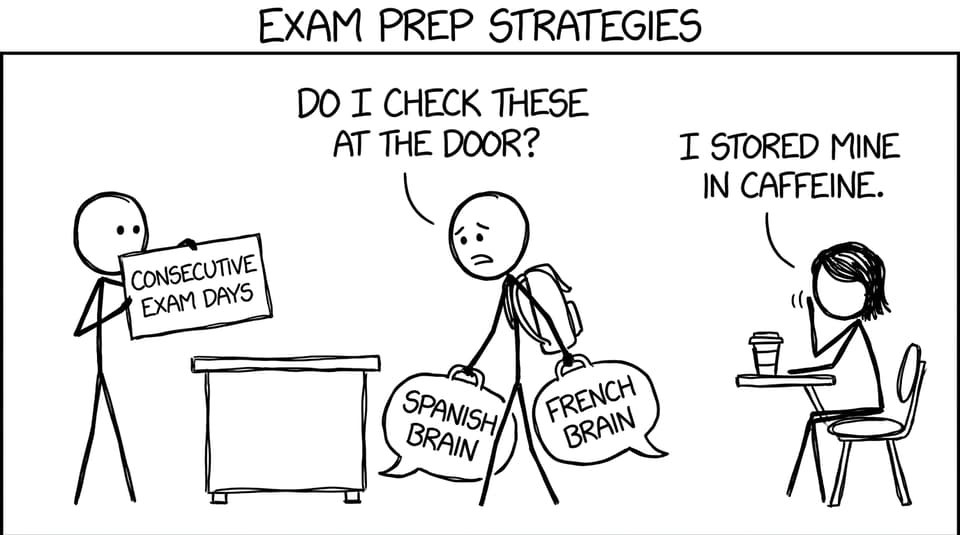
What consecutive IB Languages days actually feel like
Consecutive IB Languages exams tend to create three predictable effects:
-
Attention fatigue: listening and reading feel more effortful because sustained focus is expensive.
-
Language interference: you reach for a word and pull the wrong one from the wrong drawer.
-
Emotional whiplash: you judge Day 2 through the lens of Day 1, even though conditions (sleep, stress, timing) have changed.
If you want to ground yourself in what each paper demands, reread the format and timing expectations in IB Language B exams: format, timing, strategy. It’s easier to stay calm when the rules feel familiar.
The simple checklist for surviving back-to-back IB Languages papers
Use this as your between-days plan (save it somewhere you’ll actually look):
-
Do light review only (phrases, connectors, a tiny error list).
-
Protect sleep as the main performance tool.
-
Eat something boring-but-stable (avoid sugar spikes).
-
Prepare your bag, water, and pens the night before.
-
Do one short confidence rep: 10 minutes of easy listening or a single paragraph plan.
This is also where a structured schedule helps. A calm plan beats heroic effort. The routines in Balanced IB study schedule that actually works pair well with IB Languages because they reduce last-minute decision fatigue.
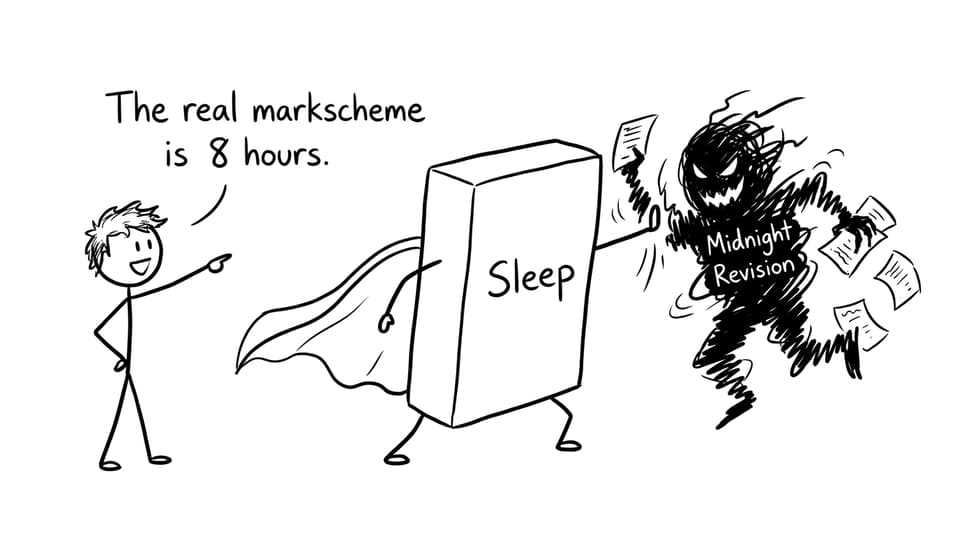
The biggest mistake: cramming between IB Languages exam days
The most common Day 1-to-Day 2 trap is trying to “fix everything” overnight.
Heavy revision between consecutive IB Languages papers usually causes:
-
Poor sleep (which wrecks listening accuracy)
-
Higher anxiety (which wrecks reading speed)
-
More mixing up languages (because your brain is overloaded)
If you’re tempted to do a full timed paper the night before, swap it for a smaller, smarter task: a few targeted questions in a Questionbank, then quick feedback using AI Chat to clarify why you lost marks. That’s the RevisionDojo approach: practice that creates calm.
For a bigger-picture system, RevisionDojo for IB outlines how students combine Study Notes, Flashcards, and Mock Exams without burning out.
How to prepare before the exam period so Day 2 feels normal
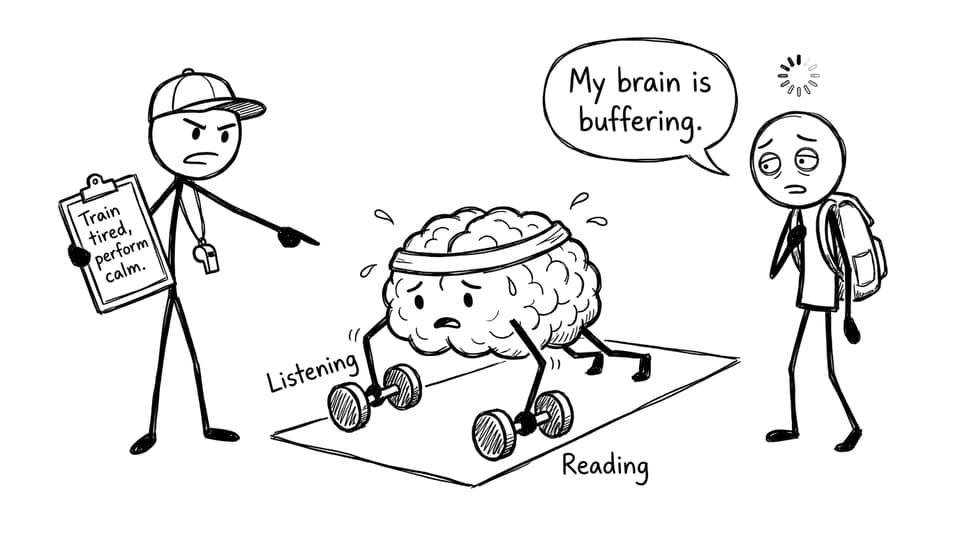
You can’t “solve” fatigue in one night. You can train for it.
Before consecutive IB Languages exams arrive:
-
Separate languages in your week (different days, different notebooks, different playlists).
-
Practice listening when slightly tired once in a while (not exhausted, just realistic).
-
Build a small bank of go-to phrases using IB Flashcards with spaced repetition.
-
Use Crafting the perfect revision plan for IB to keep your revision loop active (notes -> practice -> feedback).
RevisionDojo makes this easier because everything connects: Study Notes to remind you what good looks like, Flashcards to keep phrases alive, Grading tools to show what’s costing marks, and Tutors when you need a human to sanity-check your plan.
How to manage the gap between two IB Languages exam days
Between consecutive IB Languages papers, aim for “mentally fresh,” not “fully covered.” Try this rhythm:
-
15 minutes: review your personal error list (3-5 recurring mistakes).
-
10 minutes: flashcard review (connectors, opinion phrases, register cues).
-
Stop: pack, wind down, sleep.
If your anxiety spikes, use structure: write tomorrow’s time plan in one line. It’s surprisingly calming to know when you’ll move on.
For timing confidence across subjects (including IB Languages), skim How long are IB exams? Time breakdown explained.
Conclusion: treat consecutive IB Languages days like a stamina event
Consecutive IB Languages exam days reward the student who stays consistent, not the one who panics hardest. Expect fatigue, plan for it, and protect the basics: sleep, simple routines, and light review.
If you want a single place to keep that routine steady, RevisionDojo is built for it: Study Notes for clarity, Flashcards for recall, Mock Exams for stamina, Predicted Papers for realistic practice, Grading tools for quick improvement, and Tutors when you need support. Start by organizing your week with the system behind Using Jojo AI to create a personalized study schedule; then walk into your IB Languages exams feeling like Day 2 is just another rep.