


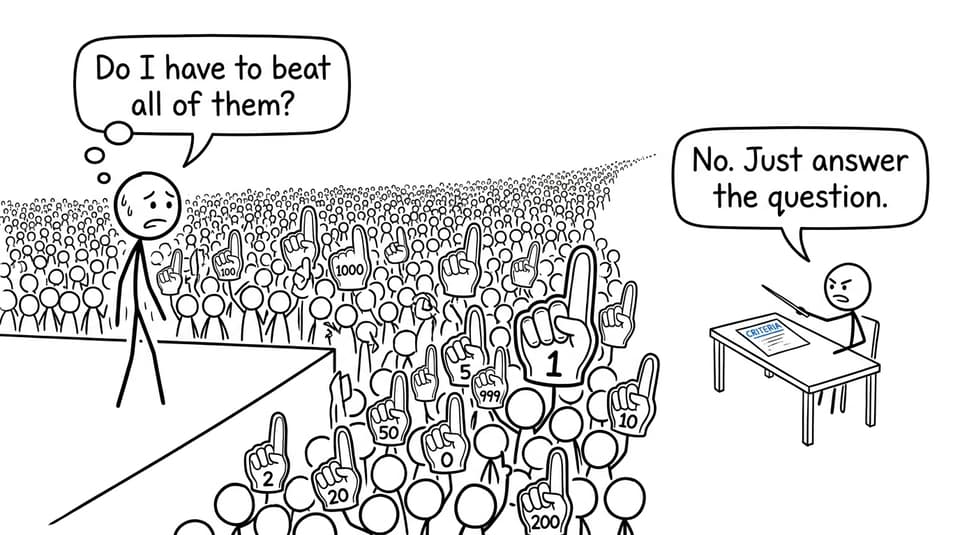
A large number can make an ordinary revision session feel like a competition. Suddenly, thousands of students you have never met seem to be sitting beside you, all reaching for the same grades.
Here is the precise answer: 202,102 students received Diploma Programme and Career-related Programme results from the May 2025 IB assessment session, according to the IB's final statistical bulletin. That figure covers DP and CP registrations in the May session, not every student enrolled in every IB programme throughout the entire calendar year.
The number matters. But it should inform your Subject Selection and preparation, not intimidate you.
The 2025 IB numbers at a glance
-
202,102 students received May 2025 DP and CP results
-
They were registered through 3,400 schools
-
The session covered 153 countries
-
Participation increased by approximately 4.8% from May 2024
-
The final bulletin recorded 758,854 student-subject entries across 222 subjects
The IB initially announced a provisional total of 202,103 students in July 2025. Its later final bulletin revised that figure downward by one, which is why both numbers may appear online. For the most precise confirmed answer, use 202,102.
What does “took the IB” actually mean?
The phrase can hide several different questions. Some students complete the full Diploma Programme, while others receive individual DP course results or follow the Career-related Programme. The IB also runs separate May and November assessment sessions, alongside programmes such as the MYP that are not included in this DP and CP total.
Therefore, 202,102 is not a count of every person studying an IB curriculum during 2025. It is the final count reported for DP and CP students in the May 2025 assessment session. Keeping that definition attached to the number prevents a precise statistic from becoming a misleading one.
For the broader structure behind these pathways, the complete IB revision guide connects initial choices with the demands students eventually face in examinations.
A larger cohort does not create a global ranking race
IB assessment is primarily criterion-related. Examiners judge work against defined levels of achievement, subject criteria and markschemes rather than reserving each grade for a fixed percentage of the cohort. Grade boundaries may be reviewed between sessions to preserve comparable standards when assessments differ in difficulty, but your result is not determined by outranking a certain number of students.
That distinction changes the emotional meaning of 202,102. The other candidates are not obstacles standing between you and a 7. Your real challenge is demonstrating the knowledge, reasoning and communication required by your subject.
Understanding your specific papers is consequently more useful than monitoring worldwide participation. The guide to IB exam structure and assessment sessions explains why paper formats, timings and demands must be checked subject by subject.
How cohort size should influence Subject Selection
It should influence your thinking indirectly, not dictate your choices. A popular subject may have a large cohort because many schools offer it, students already know it, or universities commonly recognise it. None of those reasons proves that the subject is easy.
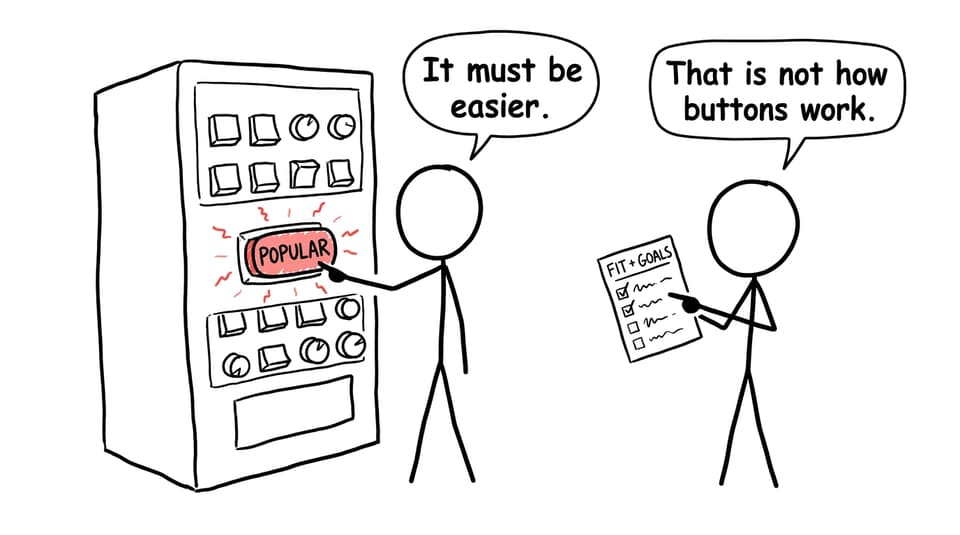
Use four filters instead:
-
University access: Check current entry requirements for degrees and institutions you may pursue.
-
Academic fit: Consider whether your strengths match the subject's calculations, essays, experiments, languages or analytical tasks.
-
Assessment fit: Look beyond the course name and inspect how marks are actually awarded.
-
Workload balance: Combine subjects whose demands you can manage alongside TOK, the extended essay, CAS and coursework.
Full Diploma students normally study six subjects, with three or four at Higher Level and the remainder at Standard Level. HL courses involve greater breadth, depth or both, with the IB recommending 240 teaching hours compared with 150 at SL. The guide to choosing HL subjects wisely can help you test ambition against practical workload.
If your future direction remains uncertain, focus on combinations that preserve realistic options rather than trying to predict the easiest route. RevisionDojo's guide to IB subjects for undecided students offers a useful starting framework. You can also explore career-focused Group 3 choices when comparing humanities and social sciences.
Above all, do not confuse enrolment with advantage. The analysis of whether subject popularity should affect your decision explains why availability and familiarity often drive the numbers.
Turn the statistic into an exam plan
Once subjects are fixed, cohort size has little practical value. Your attention should move from how many people participated to what your next answer needs.
A reliable preparation loop looks like this:
-
Learn one syllabus point with concise Study Notes.
-
Retrieve it without prompts using Flashcards.
-
Apply it through targeted Questionbank practice.
-
Diagnose mistakes with AI Chat and Grading tools.
-
Reattempt a similar question before moving on.
-
Build timing through Mock Exams and Predicted Papers.
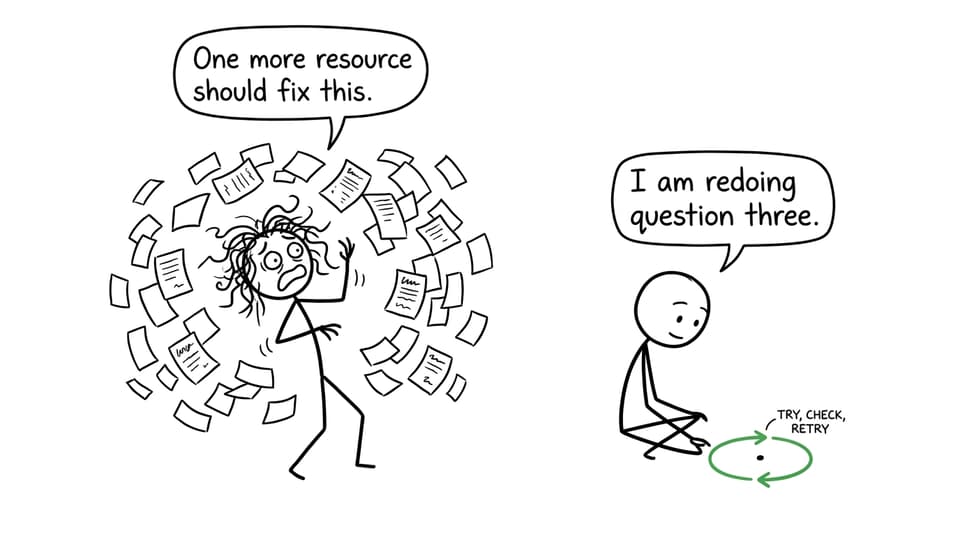
RevisionDojo brings that cycle together across its IB resources and subject hubs. Its Coursework Library can reduce uncertainty around major assignments, while Tutors provide human guidance when a problem requires more than another explanation. When you are ready to rehearse complete assessment formats, use IB Predicted Papers written for realistic practice as simulations, not promises about future questions.
The number is global, but improvement is local
The confirmed May 2025 total is 202,102 DP and CP students. It reflects an international programme operating across thousands of schools, yet it does not change the next useful step in your preparation.
Choose subjects according to prerequisites, strengths, assessment style and sustainable workload. Then stop studying the crowd. With RevisionDojo's Questionbank, Study Notes, Flashcards, AI Chat, Grading tools, Predicted Papers, Mock Exams, Coursework Library and Tutors, you can focus on the smaller loop that produces results: attempt, review, correct and repeat.