

If you have ever looked at a snack wrapper and wondered, How did this end up in my hand? you are already thinking like an MYP student inside the Global Context of Globalisation and Sustainability.
That is the quiet power of the MYP: it trains you to notice the invisible systems behind everyday life. Not just climate change headlines, but supply chains, energy choices, waste, inequality, and the long-term consequences of “small” decisions. And when exam season arrives, that same systems-thinking becomes a huge advantage: you are not memorising isolated facts, you are learning to connect ideas, evaluate evidence, and explain cause and effect.
This guide gives you practical MYP project directions (Personal Project, Service as Action, unit tasks) that are meaningful and easy to document and assess.
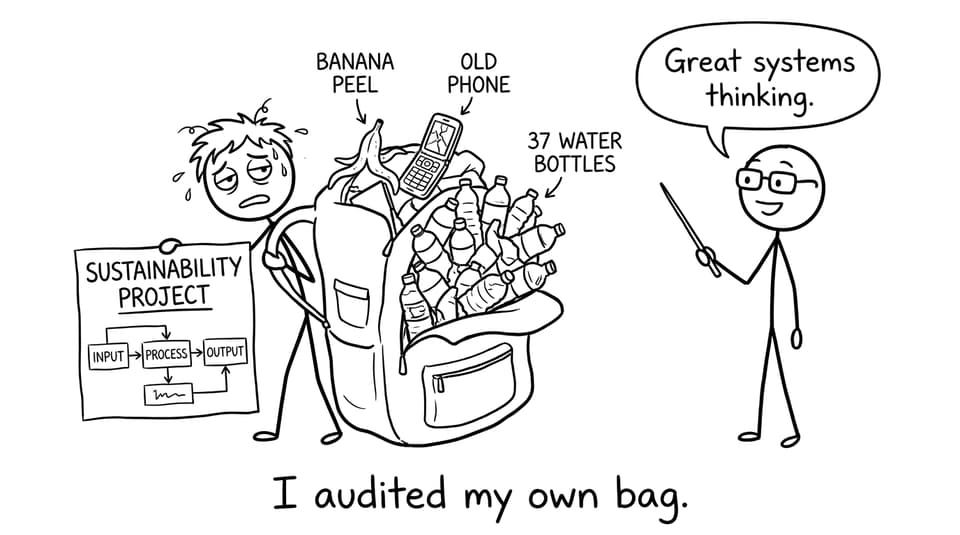
A quick MYP checklist for strong projects
Before you commit, run your MYP project through this simple filter:
-
One clear issue + one clear system (energy, waste, food, transport, trade, water).
-
A measurable outcome (reduce, improve, design, teach, test).
-
Evidence you can collect weekly (photos, surveys, iterations, data tables, screenshots).
-
A Global Context paragraph you can actually explain (not just name).
-
Reflection points built-in (trade-offs, constraints, stakeholder choices).
If you need a broader refresher on contexts, skim Six Global Contexts in IB MYP: Real-World Applications and then come back to this one.
What “Globalisation and Sustainability” means in MYP
In MYP, Globalisation and Sustainability is essentially a lens for asking: What is connected to what, and who pays the cost? It focuses on interconnected environmental, social, and economic systems, especially when actions in one place affect people and ecosystems somewhere else.
Common MYP angles that score well:
-
Interdependence (trade networks, migration, resource flows)
-
Responsible consumption and production
-
Environmental impact and stewardship
-
Equity, access, and “winners and losers”
-
Governance (rules, incentives, and accountability)
To build real vocabulary fast, RevisionDojo’s Study Notes are helpful, especially for Individuals and Societies topics like Globalisation of markets Notes or Environmental governance Notes.
Why Globalisation and Sustainability projects boost exam performance
A good MYP sustainability project is not separate from revision. It is revision with consequences.
When you investigate a local issue (canteen waste, school energy use, fast fashion habits), you naturally practise:
-
Command terms like analyse, evaluate, justify, propose
-
Data interpretation and reliability thinking
-
Clear explanation (the thing examiners reward most)
-
Criterion-focused writing and reflection
If your exams feel broad, use MYP Revision Guide: Study Tips for Success to build a weekly routine, then use your project as one “real-life case study” that makes content stick.
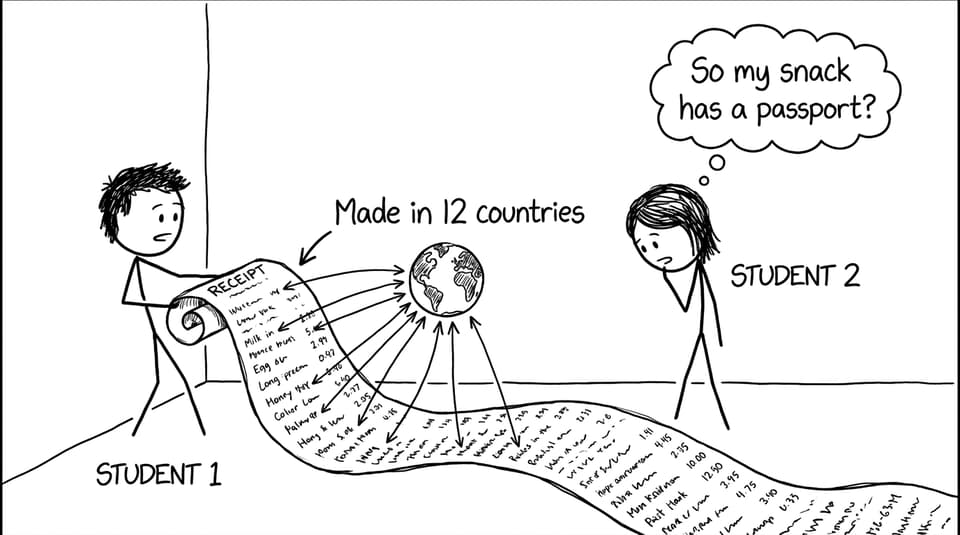
MYP project ideas that fit Globalisation and Sustainability
Sciences: measure impact, then test change
Science projects work best in MYP when you collect data, test an intervention, and explain limitations.
High-scoring examples:
-
Microplastics audit: sample sand/soil (safe, supervised), identify plastic fragments, track frequency.
-
Carbon footprint comparison: compare commuting patterns and propose realistic reductions.
-
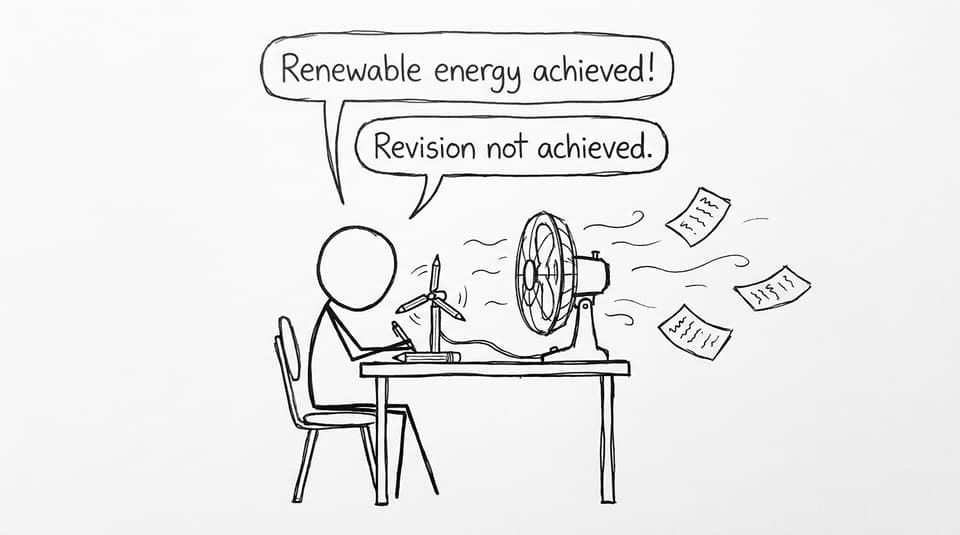
Renewable energy mini-prototype: build a small model, test output under different conditions, log results.
To keep your explanations tight, practise “exam-shaped” answers after each experiment using RevisionDojo’s Questionbank and AI Chat (use AI Chat to ask: “What would a 7-level evaluation paragraph look like for this data?”).
Individuals and Societies: map the system, then evaluate trade-offs
This is the natural home for MYP Globalisation and Sustainability because the subject already trains you to connect local and global.
Project ideas that stay focused:
-
Supply chain story of one product: trace a T-shirt or chocolate bar, then evaluate ethical and environmental trade-offs.
-
Land-use change in your area: link a local development to biodiversity, housing needs, and planning decisions. (Revision help: Land-use change Notes)
-
Trade fairness debate: use a structured claim-evidence-evaluation format, then practise exam-style responses with Trade, Fairness and Global Exchange Questionbank.
Design: build a solution you can iterate
Design is where many MYP students accidentally choose a project that is too big. The trick is to design something you can improve in multiple versions.
Reliable options:
-
Refill station prototype (soap, water, stationery) with user testing and feedback cycles
-
Circular packaging redesign for a school product (reduce material, improve recyclability)
-
Upcycled product line with cost analysis and durability testing
RevisionDojo’s Grading tools are perfect here because design reports often lose marks on clarity, evidence, and evaluation. Use the Grading tools to check whether each paragraph actually proves something.
Arts and Languages: change behaviour with communication
In MYP, you can build sustainability impact through storytelling, persuasion, and cultural comparison.
Ideas that stay assessable:
-
A short campaign with A/B testing (two poster styles, two scripts, two hooks)
-
A podcast episode comparing sustainability practices across cultures
-
A persuasive speech that anticipates counterarguments and responds respectfully
If your school expects Service as Action links, align the communication outcome to a small real audience (one grade level, one club, one event).
Personal Project and Service as Action: make it real, keep it small
The MYP Personal Project is the perfect container for Globalisation and Sustainability, but only if you choose a finish line you can reach.
Use these RevisionDojo guides to anchor your planning:
For Service as Action connections, keep the action consistent and reflective:
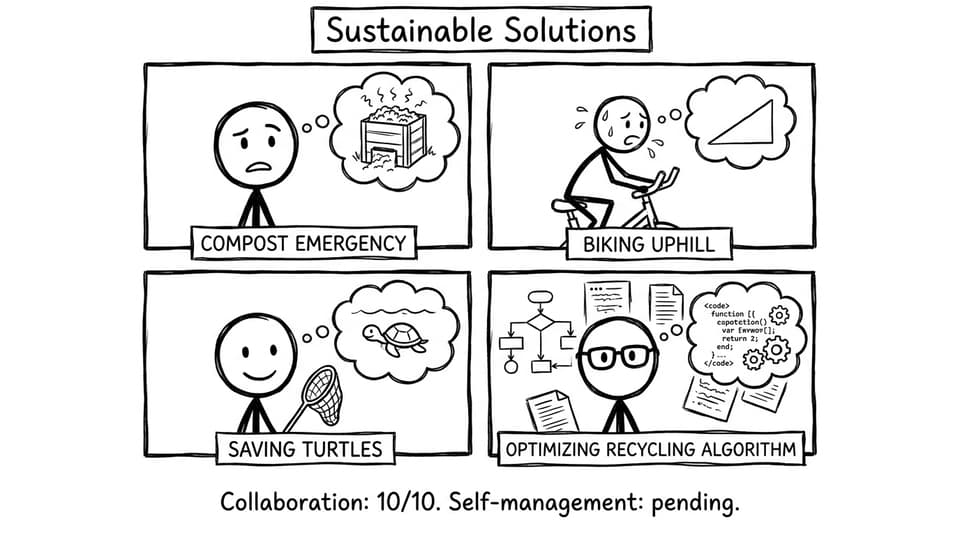
How to write stronger MYP reflections (without sounding generic)
Most MYP reflections fail for one reason: they describe what happened, but do not explain what changed and why.
A simple structure that works:
-
Claim: What did you learn about the system (globalisation, sustainability, interdependence)?
-
Evidence: What data, feedback, or sources prove it?
-
Decision: What did you change because of it?
-
Evaluation: What are the limitations or trade-offs?
-
ATL link: Which skill grew (research, self-management, communication, thinking, social)?
If you want your report structure to feel obvious to the assessor, follow MYP Personal Project Report Structure Explained. Then use RevisionDojo Flashcards to memorise the ATL wording you keep forgetting under pressure.
Closing: make the MYP lens your advantage
Globalisation and Sustainability can feel huge until you realise the MYP is not asking you to solve the planet. It is asking you to see the system clearly, act responsibly at a realistic scale, and explain your thinking with evidence.
If you want to turn that into grades and exam confidence, build your project using RevisionDojo as your control panel: practise with the Questionbank, tighten understanding with Study Notes, lock in key language with Flashcards, use AI Chat for clarity and challenge questions, check alignment with Grading tools, and stay calm with Mock Exams, Predicted Papers, the Coursework Library, and Tutors when you need human feedback. In the MYP, the students who score highest are rarely the most dramatic workers. They are the most consistent ones.