



IB Geography has a funny way of sneaking up on you. You start by learning why cities grow or why hazards hit some places harder than others. Then you look up and realize the course is asking a bigger question: how does the world actually work when people, power, and the planet collide?
If you are deciding between SL and HL (or revising and want to know what your paper expects), the key differences in IB Geography come down to depth, assessment, and the kind of thinking you are training under time pressure.
IB Geography SL vs HL at a glance (quick checklist)
-
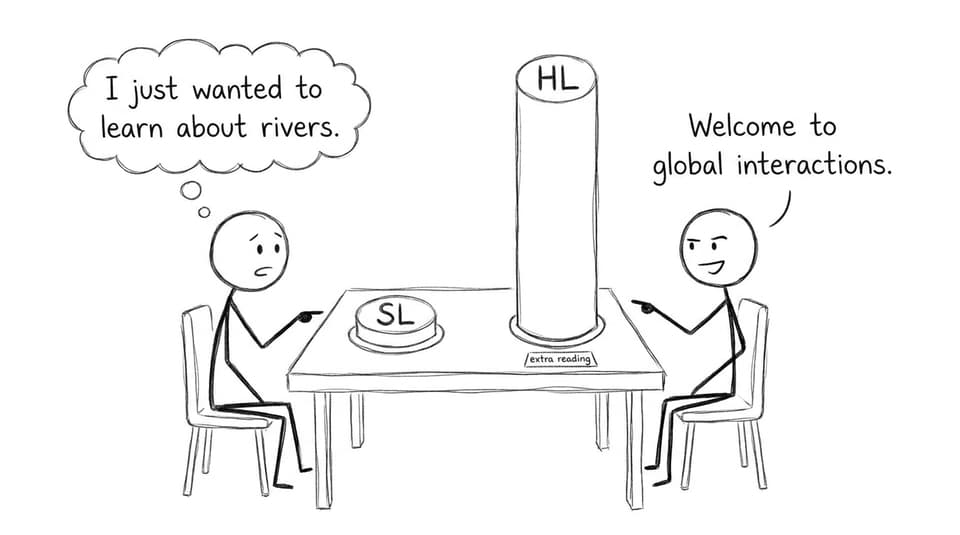
Content: SL covers core + two optional themes; HL covers SL + a third optional theme + Global Interactions.
-
Papers: SL sits Paper 1 + Paper 2; HL sits Paper 1 + Paper 2 + Paper 3.
-
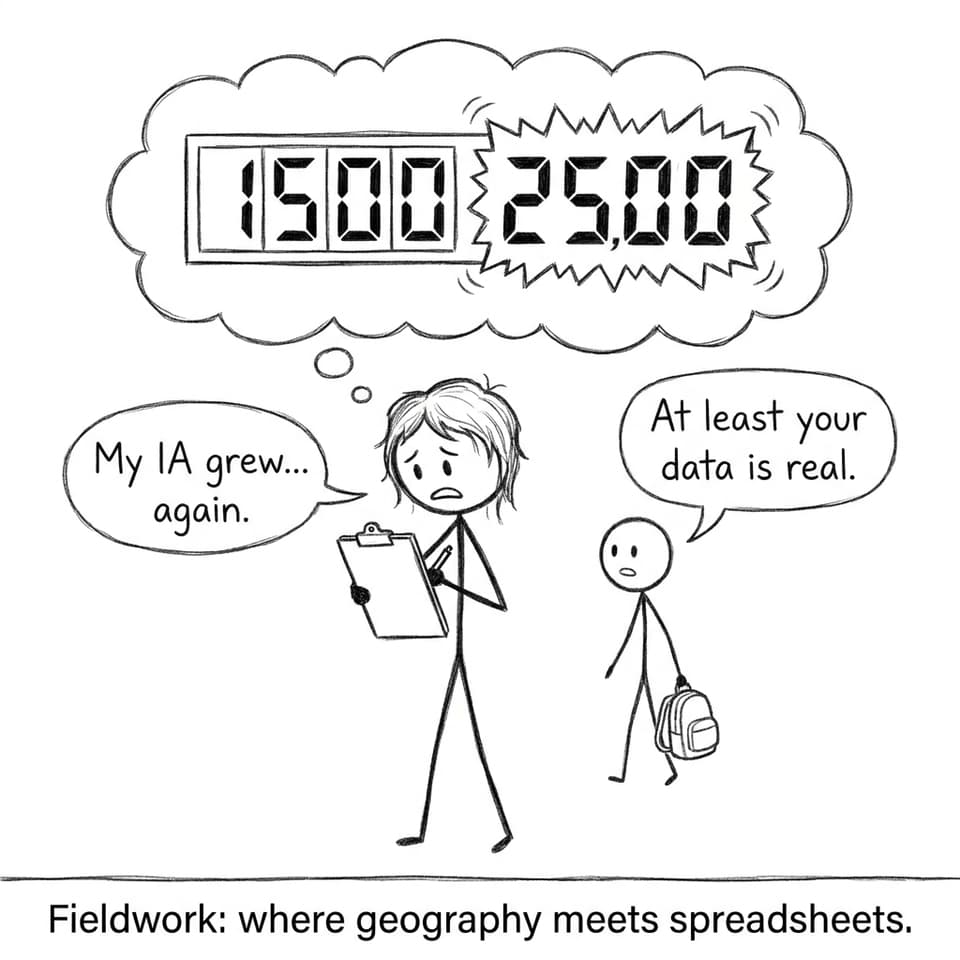
IA: SL fieldwork report is about 1,500 words; HL is about 2,500 words.
-
Time: IB recommends roughly 150 hours for SL and 240 hours for HL.
For a full hub of IB Geography topics and practice, start with IB Geography Resources.
Content differences in IB Geography: breadth vs depth
At SL, IB Geography is built to give you strong coverage of the course without turning every lesson into a mini dissertation. You study the core and choose two optional themes (depending on your school).
At HL, IB Geography keeps everything SL students learn, but adds two major layers:
-
One extra optional theme (so you cover three)
-
The HL extension: Global Interactions, which zooms out to patterns of flows, power, risk, and resilience across the world system
That HL extension matters because it changes how you write. Your answers need to connect local case studies to wider networks and consequences. If you want a sense of how RevisionDojo structures those case studies for fast recall, use IB Geography Case Studies: A Comprehensive Exam Guide.
Assessment differences: what changes in the exams?
In IB Geography, the exam format is similar at both levels, but HL adds an extra paper and more content to manage.
SL assessment basics
-
Paper 1 (optional themes): ~90 minutes, ~35%
-
Paper 2 (core/geographic perspectives): ~75 minutes, ~40%
-
Internal Assessment (IA): ~1,500 words, ~25%
HL assessment basics
-
Paper 1 (three optional themes): ~135 minutes, ~35%
-
Paper 2 (core/geographic perspectives): ~75 minutes, ~25%
-
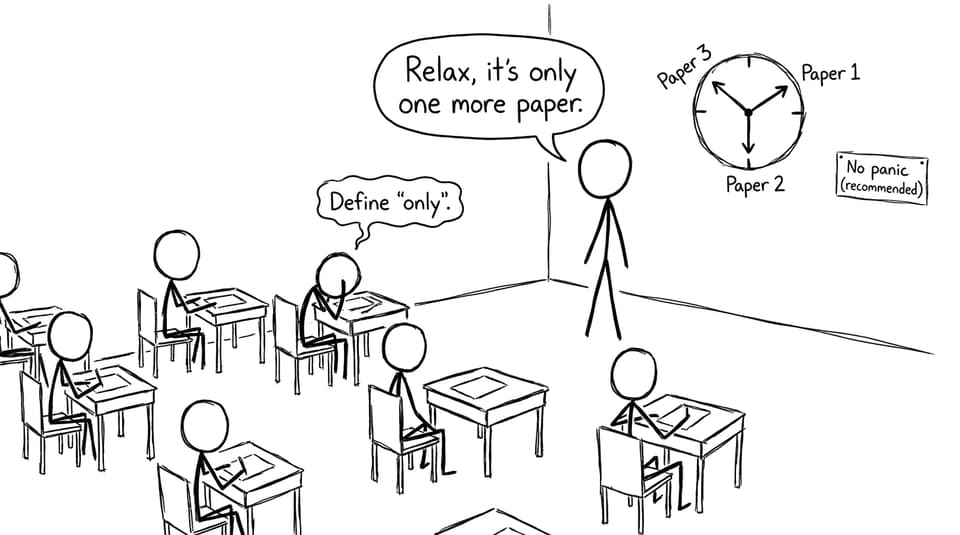
Paper 3 (Global Interactions): ~60 minutes, ~20%
-
Internal Assessment (IA): ~2,500 words, ~20%
You can practise the exact feel of these questions with RevisionDojo’s Questionbank and get feedback using AI Chat and grading tools. Try a theme-specific set like Urban Environments Questionbank or an HL-skills-heavy area like C.5 Synthesis, Evaluation, and Skills Questionbank.
Workload and teaching hours: what HL really costs
The easiest way to underestimate HL is to treat it like SL with “one more unit.” In practice, HL usually means:
-
more reading per case study
-
more synthesis between units
-
more time practising longer responses under timed conditions
The IB guidance (about 150 hours SL vs 240 hours HL) is not just a number. It reflects how much repetition you need to get from “I understand this” to “I can write it quickly and evaluate it.”
A good strategy is to revise one topic with Study Notes, then immediately test it with the Questionbank, then convert weak areas into Flashcards. If you want a starting point, explore Study Notes and link your notes directly to practice in the IB Geography hub.
Skills: what HL expects you to do better
Both levels reward clear structure, accurate terminology, and evidence-based arguments. HL just demands those skills more consistently.
-
Data handling: HL leans harder into synthesizing quantitative and qualitative evidence.
-
Evaluation: HL answers are expected to weigh perspectives and limits, not just describe.
-
Case studies: HL students often need more global-scale examples and sharper links to networks and flows.
-
Fieldwork: HL’s IA is longer and typically expects more interpretation and justification.
For a concrete content example that trains evidence-led explanation, see Impacts on the Hydrosphere and Atmosphere Notes.
Choosing SL vs HL: a practical decision
Choose SL if you want IB Geography as a strong, balanced subject alongside heavier HLs, or if you enjoy geography but do not want the extra Global Interactions layer.
Choose HL if you like connecting topics to bigger systems (trade, climate risk, migration, geopolitics), and you are comfortable practising longer answers regularly.
If you are unsure, read Understanding IB Geography: A Comprehensive Guide and compare how you feel about the scale of thinking it describes.
Final thoughts: make IB Geography work for you
IB Geography rewards students who can stay calm, use evidence, and explain the world with precision. SL is a solid route if you want breadth without overload. HL is worth it if you want deeper systems thinking and you are ready to practise that extra layer consistently.
If you are revising right now, build your plan around IB Geography Resources: combine Study Notes, Flashcards, the Questionbank, Mock Exams, Predicted Papers, and AI Chat so your answers get sharper every week, not just longer.