

You sit down to revise and your brain immediately negotiates. Five minutes on your phone. One more snack. A quick re-read of notes. Suddenly, it’s an hour later and you’ve done the worst kind of work: the kind that feels busy but produces nothing.
That’s why the Pomodoro Technique has quietly become one of the most reliable Studying Tips for IB students. It doesn’t ask you to become a different person. It just asks you to start small, repeat a rhythm, and let consistency do the heavy lifting.
What the Pomodoro Technique is (and why it works)
The Pomodoro Technique is simple:
-
Work for 25 minutes with full focus
-
Break for 5 minutes
-
Repeat four times
-
Take a longer break (20-30 minutes)
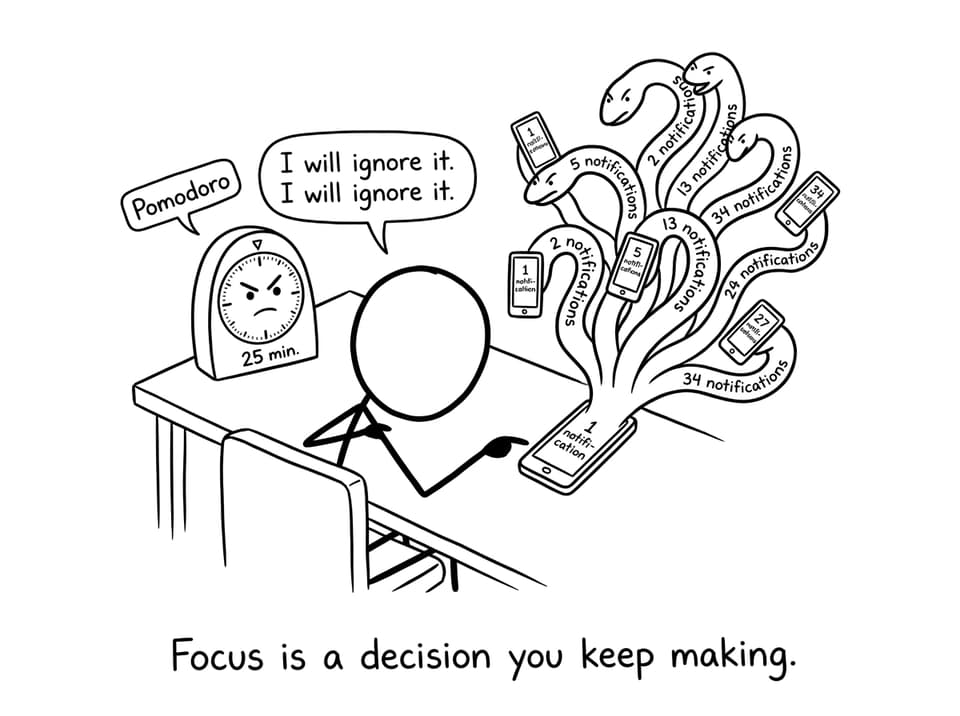
For IB exams, this structure is powerful because it turns vague motivation into a timer-based commitment. Many Studying Tips fail because they rely on willpower. Pomodoro relies on boundaries.
If you want to anchor those 25 minutes to something concrete, open one resource and stay there: RevisionDojo Study Notes for clarity, or the RevisionDojo Questionbank for performance.
A quick Pomodoro setup checklist for IB students
Before you start, make the session so specific it can’t drift.
-
Choose one subject and one subtopic
-
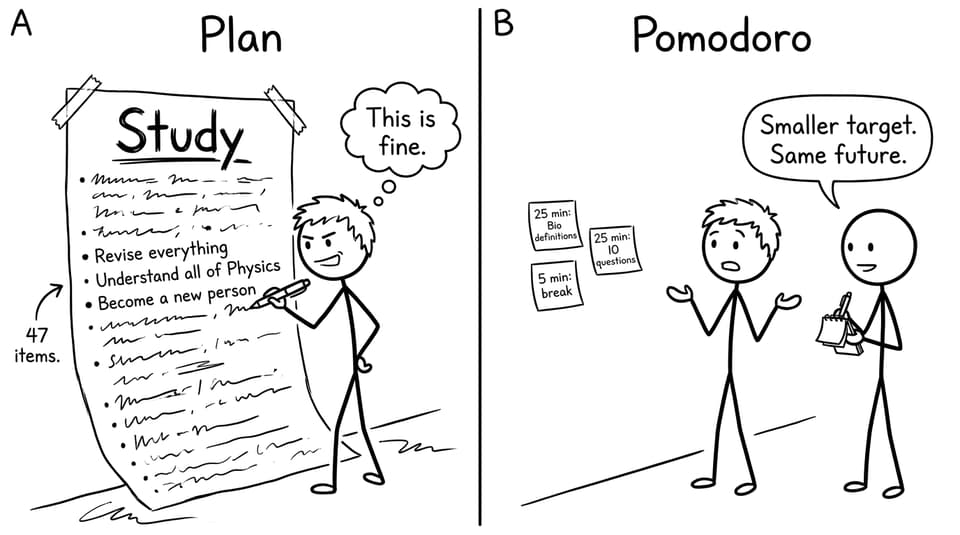
Write 2-4 microtasks you can finish in 25 minutes
-
Decide your break (water, stretch, short walk)
-
End the block with a 60-second recap: “What did I miss?”
This is one of those Studying Tips that feels almost too basic, until you realise basic is exactly what works under pressure.
How to pair Pomodoro with RevisionDojo (the high-score loop)
A timer is helpful. A timer plus feedback is a system.
Pomodoro block A: Learn fast, then test
Use RevisionDojo Study Notes for 8-10 minutes to understand the idea, then spend the rest of the block applying it with targeted practice. If you’re not sure how to practice efficiently, IB Question Bank | How to Use It Effectively gives a clean method.
Pomodoro block B: Active recall, not rereading
Swap highlighting for retrieval. Use RevisionDojo Flashcards to force recall in short bursts, then immediately patch weak spots. For a deeper routine, read Use RevisionDojo Notes to Boost IB Retention.
Pomodoro block C: Exam realism (without the drama)
Once or twice a week, make one Pomodoro a timed mini-simulation. This is where Mock Exams and Predicted Papers earn their place, because they turn revision into rehearsal. If you need the bigger picture, Time Management Strategies for IB Students fits perfectly alongside these Studying Tips.
If you get stuck mid-block, use RevisionDojo’s AI Chat to unblock quickly, then return to practice. And when you want structured feedback on written responses, RevisionDojo’s Grading tools and Coursework Library keep coursework stress from leaking into exam prep. If you want a full platform overview, RevisionDojo App: The Smarter Way to Prep for IB Exams explains the complete loop.
Common Pomodoro mistakes (and fixes)
-
Making the task too big: Turn “revise Topic 4” into “do 12 questions on one subskill.”
-
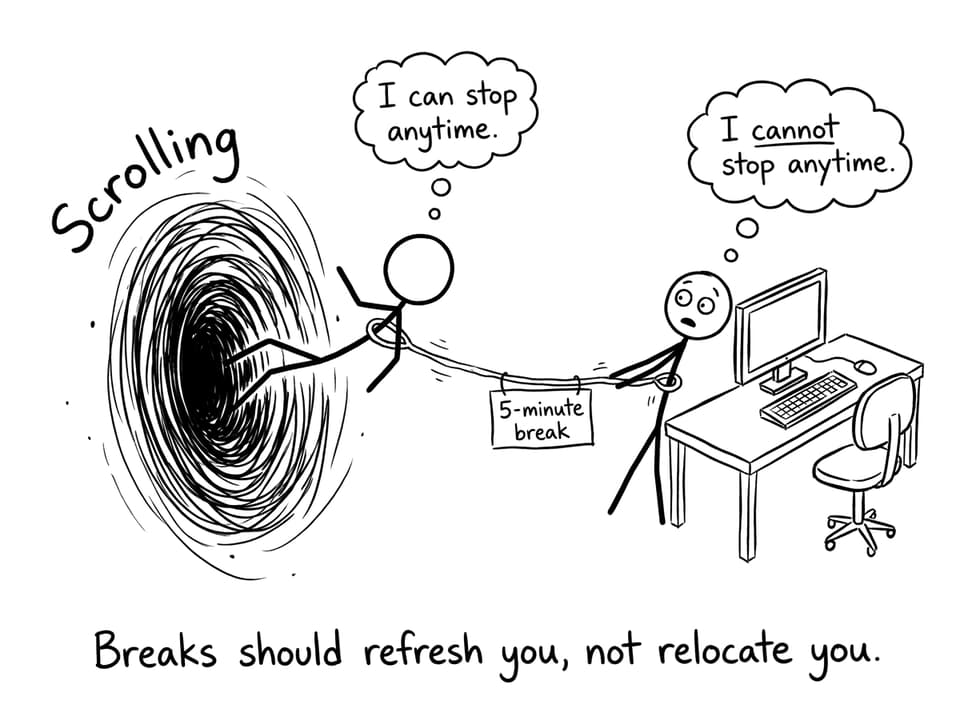
Taking break activities that don’t end: Avoid “quick scroll.” Choose a break with a natural stop.
-
Skipping reflection: Spend 2 minutes logging mistakes so the next session gets smarter.
For more practical Studying Tips that stack well with Pomodoro, IB Revision Hacks: Quick Tips for Efficient Studying is worth bookmarking.
Conclusion: make focus a repeatable habit
The secret of the Pomodoro Technique isn’t the timer. It’s the promise that you only have to be brave for 25 minutes, then you get a break.
If you want these Studying Tips to turn into real exam results, build your Pomodoro blocks inside RevisionDojo: use Study Notes to learn, Flashcards to remember, the Questionbank to practise, AI Chat to get unstuck, and Mock Exams plus Predicted Papers to make the real exam feel familiar. Start one 25-minute block today. Future you will notice.