


When “I’m not good enough for IB” shows up
It usually doesn’t arrive as a calm thought.
It arrives after a grade that stings, a teacher comment that lands the wrong way, or a late-night Internal Assessment spiral that makes even simple tasks feel impossible. One moment you’re “fine,” the next you’re convinced you’re the only IB student who can’t keep up.
If you’ve been thinking, I’m not good enough for IB, you’re not broken. You’re having a very human reaction to a system that rewards stamina, structure, and exam technique as much as raw intelligence.
This guide is built for IB students preparing for exams. It’s also written so a parent can read it and know what to say without accidentally adding pressure. Along the way you’ll get Studying Tips you can actually use tomorrow, plus a simple confidence loop using RevisionDojo.
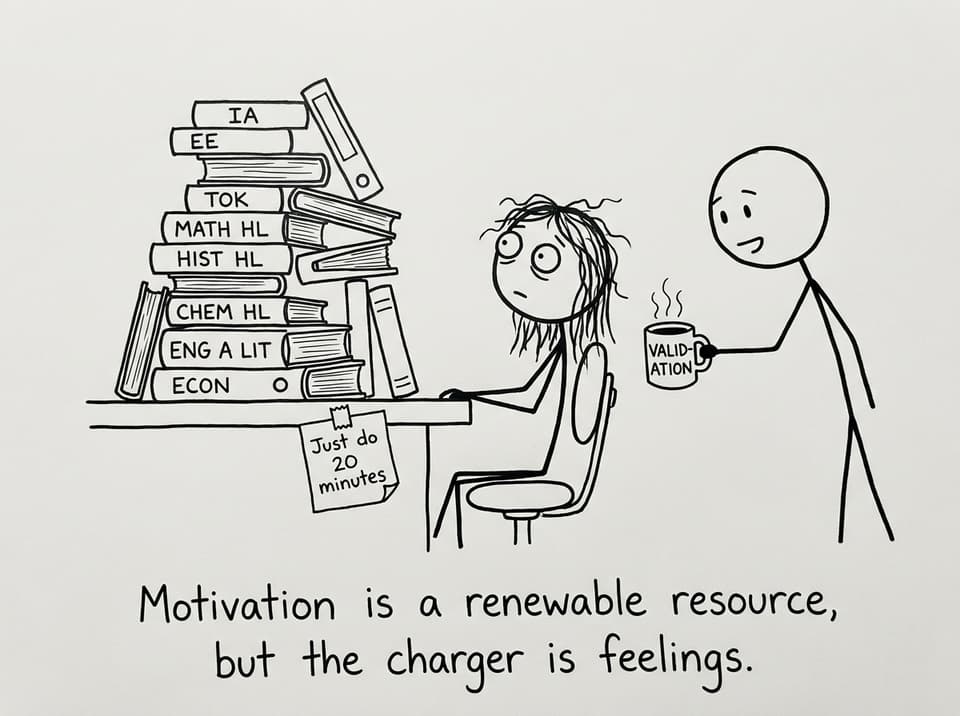
Quick checklist: reassurance that actually works
Use this as a fast reset when self-doubt spikes. These Studying Tips work best in this order:
-
Name the feeling: “This is stress, not truth.”
-
Shrink the task: choose a 20-minute action, not a 3-hour fantasy.
-
Create one win: one set of questions, one paragraph, one diagram.
-
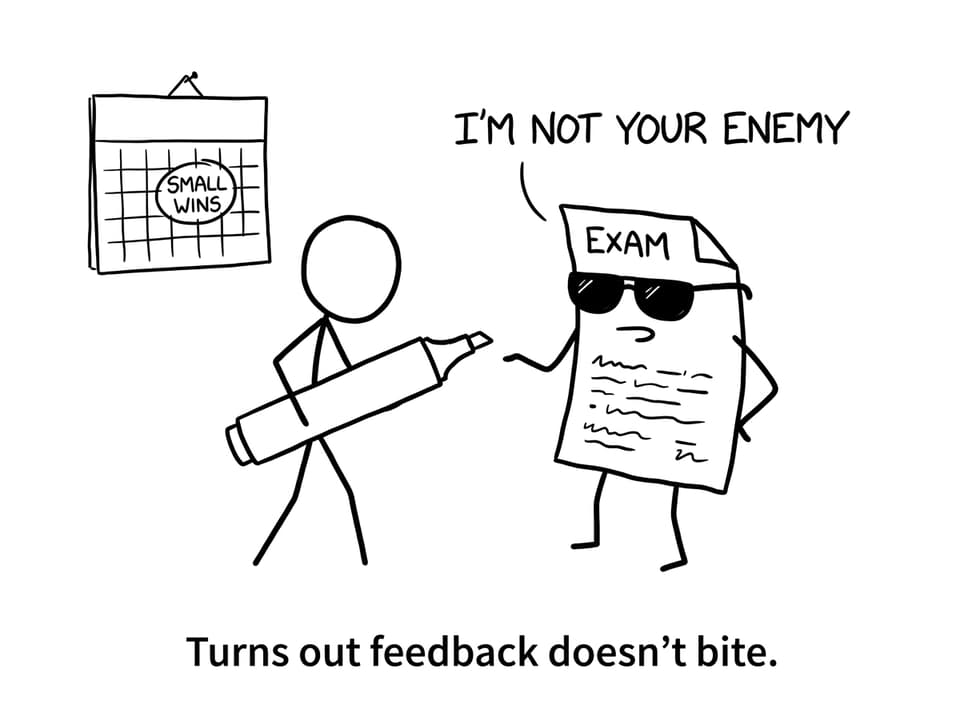
Get feedback: without feedback, effort turns into worry.
-
Repeat tomorrow: confidence is built on repetitions, not speeches.
If you want a deeper routine framework, this pairs well with How to Build a Study Routine That Actually Works.
Why IB students feel “not good enough” (even when they are)
Self-doubt in IB isn’t a personality flaw. It’s often a signal that the environment is louder than your evidence.
The workload creates the illusion of falling behind
Six subjects plus core components can make you feel permanently late, even when you’re working hard. The brain reads “unfinished tasks” as “personal failure,” which is unfair but common.
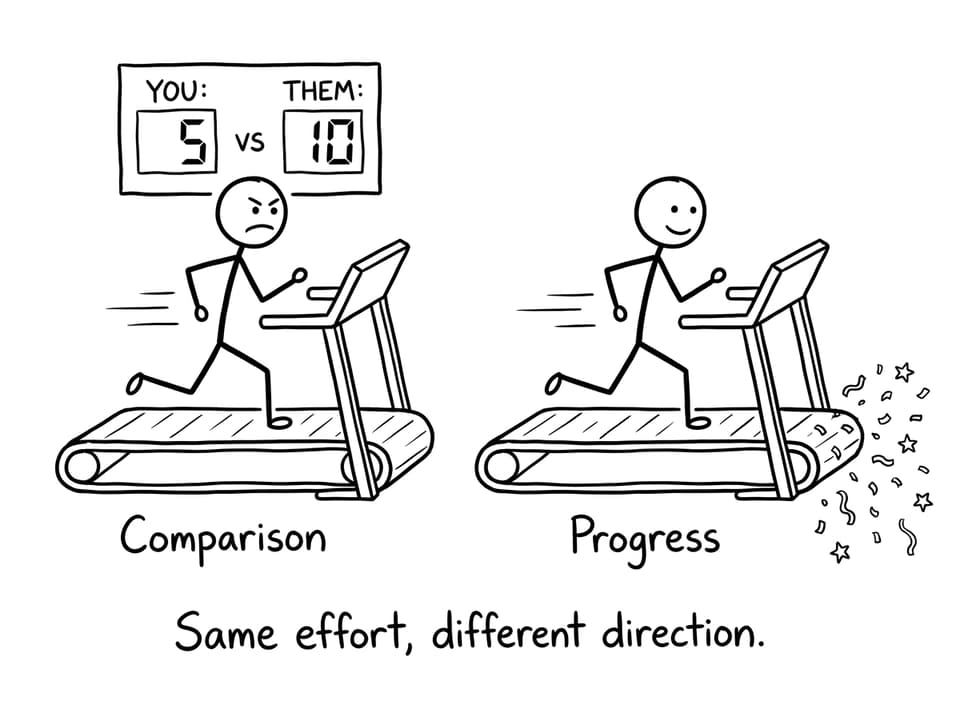
Comparison is an invisible curriculum
In IB, you’re surrounded by high performers. You see someone else’s neat notes, their confident answers, their “productive” weekend. You don’t see their panic, their retakes, or the fact they cried over the same chapter last month.
Perfectionism turns learning into a verdict
Perfectionism makes every mistake feel like proof. But IB mastery is built through mistakes that get corrected. The goal is not a flawless first attempt. The goal is a tighter second attempt.
Unclear marking makes progress feel invisible
IB grading can feel mysterious. When you don’t know exactly how marks are earned, you assume the worst: “I studied and still lost points, so I must be bad at this.”
A powerful Studying Tips mindset shift is this: if you can measure it, you can improve it. Tools that show patterns (what topics, what command terms, what question types) are confidence tools.
What to say (or tell yourself) when the spiral starts
Reassurance fails when it’s vague. “You’ll be fine” can sound like “stop bothering me.” Better is reassurance that is specific, calm, and action-linked.
Validation + direction
Try these scripts:
-
“It makes sense you feel that way. IB is heavy. Let’s pick one small next step.”
-
“You’re not behind as a person. You’re behind on a task. Tasks are solvable.”
-
“Let’s separate identity from data. A grade is information.”
If you’re a parent reading this, the biggest win is tone: slow, steady, not urgent. Students borrow calm from the adult in the room.
A tiny reset ritual (2 minutes)
These Studying Tips are boring on purpose because they work:
-
Drink water.
-
Stand up and change rooms.
-
Write the next action in seven words or fewer.
Example: “Do 10 questions on functions domain.”
Studying Tips that rebuild confidence through evidence
Confidence doesn’t come from telling yourself you’re capable. It comes from collecting proof.
Build a “proof loop” instead of a big plan
A simple loop for any IB subject:
-
Learn one tight concept
-
Test it immediately
-
Get feedback
-
Fix one pattern
-
Retest 48 hours later
RevisionDojo is designed around this. You can learn quickly with Study Notes, then reinforce with the free Questionbank, then keep recall alive with Flashcards, then use AI Chat when you’re stuck.
If you want a broader platform overview, see RevisionDojo App: The Smarter Way to Prep for IB Exams.
Use targeted practice instead of “more hours”
One of the most underrated Studying Tips is to stop revising entire subjects and start revising micro-skills.
Examples:
-
Biology: “Explain enzyme inhibition with one example.”
-
Math: “Recognize which method applies, fast.”
-
English: “Build a thesis in two sentences.”
Targeted practice is where RevisionDojo’s Questionbank shines because you can isolate what you’re missing and stop wasting time on what you already know. For a practical guide, read IB Question Bank | How to Use It Effectively.
Add timed practice early (but gently)
Fear often comes from not knowing whether you can perform under time. Timed work turns fear into numbers.
Start small:
-
25 minutes timed section
-
10 minutes review
-
10 minutes redo the same skill
Then scale. When you’re ready, use IB Predicted Papers or full mock-style practice. If you want to understand how to use prediction sets responsibly, this is worth reading: IB Predicted vs Specimen Papers: What They Mean.
Turn stress into structure
When you’re emotionally flooded, you need a default routine. Use these Studying Tips for a “minimum viable day”:
-
10 minutes Flashcards
-
20 minutes Questionbank (single topic)
-
10 minutes error log (what went wrong and why)
-
5 minutes ask AI Chat one precise question
This is small enough to be doable on bad days, which is exactly why it builds momentum.
For more ideas from high performers, see Achieve Your Best Grades with RevisionDojo: Tips and Tricks from Top Scorers.
How RevisionDojo supports students who feel behind
When you feel “not good enough,” what you often lack isn’t intelligence. It’s clarity.
RevisionDojo helps create clarity through:
-
Questionbank: unlimited exam-style practice and fast feedback loops
-
Study Notes: tight explanations aligned to what gets assessed
-
Flashcards: spaced repetition for daily recall
-
AI Chat: quick explanations when you’re stuck mid-session
-
Grading tools: learn how marks are actually awarded in written responses
-
Predicted Papers and Mock Exams: timed rehearsal that builds stamina
-
Coursework Library: reduce background anxiety around IAs/EE/TOK by seeing strong models
-
Tutors: when you need human feedback and accountability
If you’re exploring options, start here: RevisionDojo for IB.
Closing: you don’t need to feel ready to begin
The IB doesn’t reward students who never doubt themselves. It rewards students who keep moving while doubting themselves.
So if your mind says, “I’m not good enough,” answer with a plan, not a debate. Use Studying Tips that shrink the work, create one win, and collect feedback. Then repeat. Confidence will catch up to the evidence.
When you want that evidence loop in one place, RevisionDojo is built for it: Study Notes for clarity, Flashcards for recall, Questionbank for practice, AI Chat for fast help, Grading tools for better writing, and Predicted Papers and Mock Exams to make exam day feel familiar.
Explore what fits your needs here: RevisionDojo and the Studying Tips collection.