
If your IB revision feels like running on a treadmill, you are not lazy. You are probably just doing a lot of work that does not convert into marks.
The tricky part of IB is that the workload is always bigger than the time you have. So the goal is not “study more.” The goal is “waste less.” A few small, deliberate habits can turn an anxious, messy week into something you can actually repeat.
Below are fast IB revision hacks you can use today to study efficiently, keep your attention, and build the kind of confidence that comes from evidence.
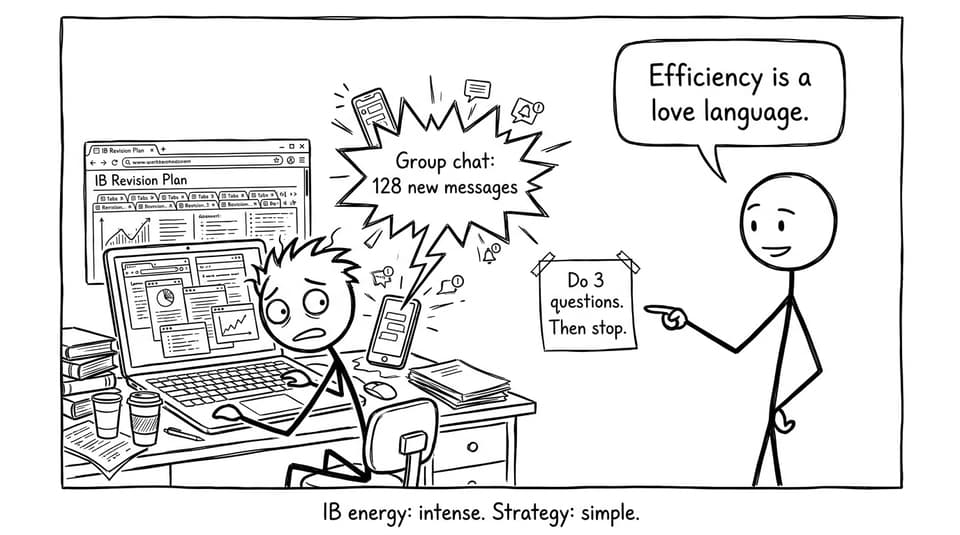
The 10-minute IB efficiency checklist
Before you start any session, run this simple IB checklist:
-
Choose one subject and one topic (small enough to finish).
-
Set a timer for a short sprint.
-
Do active recall first (no notes open).
-
Then do exam-style questions while the topic is fresh.
-
Write one mistake you will not repeat.
If you want an all-in-one place to run that loop, RevisionDojo: the smarter way to prep for IB exams breaks down the workflow using Study Notes, Flashcards, Questionbank, AI Chat, and Mock Exams.
Hack 1: Make your environment boring (so your brain can be loud)
The fastest IB productivity boost is often physical.
Clear your desk until only the essentials remain. Put your phone out of reach. Not face-down. Out of reach. If this is hard, you are not weak; you are human.
For a deeper, practical approach to attention, read IB Focus: Why Your Phone Is Killing Productivity. It is a reminder that “just checking” is rarely just checking during IB season.
Hack 2: Use short sprints, not heroic marathons
Long sessions feel serious, but they often become slower and less honest. In IB, consistency beats intensity.
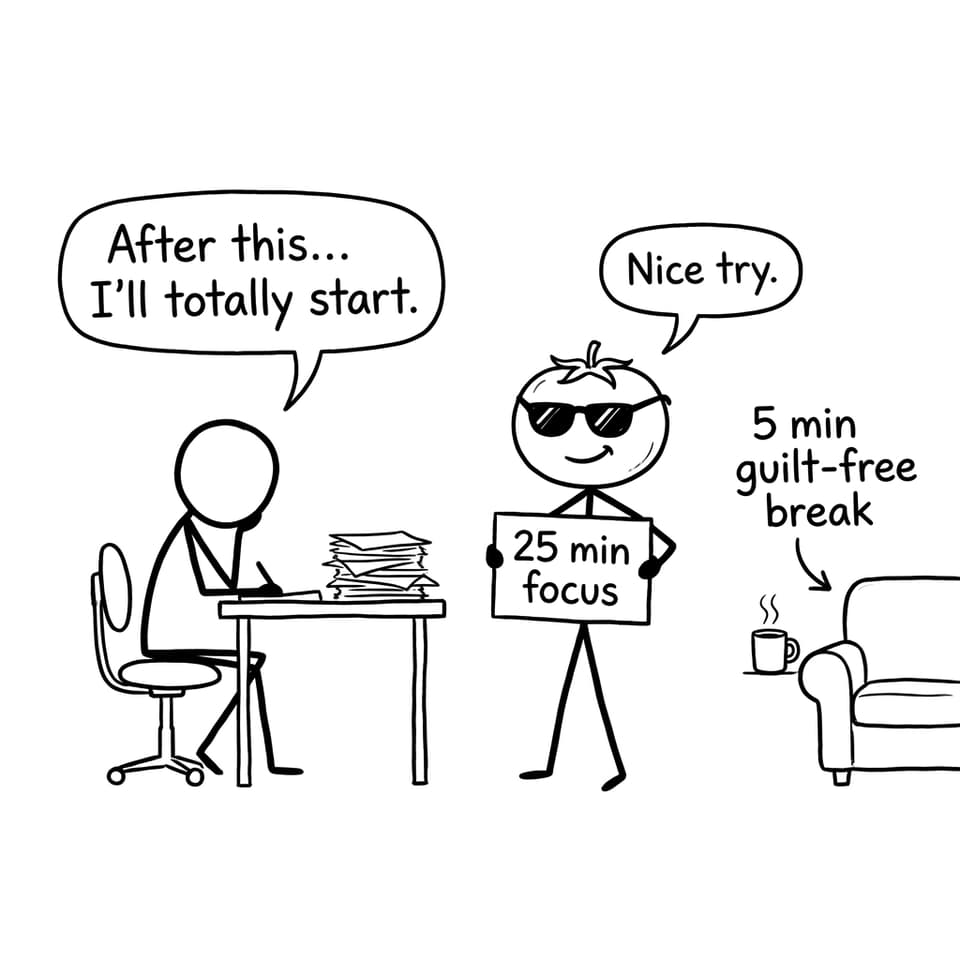
Try a simple sprint structure:
-
25 minutes focused work
-
5 minutes break
-
Repeat 2 times, then stop
The key is the stop. Ending a session while you still have energy makes it easier to come back tomorrow.
Hack 3: Replace rereading with active recall (even if it feels worse)
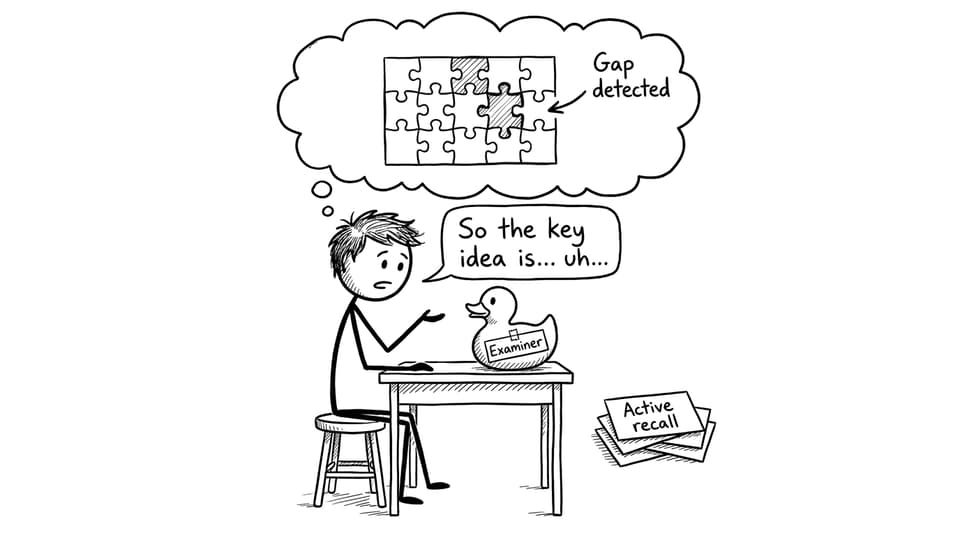
Rereading notes feels smooth. Active recall feels clumsy. That is why it works.
A quick IB method:
-
Read one small section.
-
Close it.
-
Write what you remember in 60 seconds.
-
Check what you missed.
-
Turn the miss into a flashcard.
If you want a system for this, Flashcard Techniques for Long-Term Retention in IB explains how to build flashcards that actually improve recall, not just aesthetics.
Hack 4: Do questions earlier than you think you are “ready”
In IB, readiness is often a feeling you never get. Progress shows up when you attempt questions, mark them, and learn what the exam rewards.
Use Study Notes to patch understanding quickly, then shift to targeted practice. On RevisionDojo, the Questionbank is built for this exact jump: learn the idea, then apply it immediately.
If your revision schedule is tight, How to Study for IB Exams: Step-by-Step Guide offers a repeatable structure that keeps IB revision focused on outputs.
Hack 5: Keep a mistake log (one line per mistake)
Your IB score improves fastest when the same mistake stops happening.
After each practice set, write:
-
What went wrong?
-
Why did it happen?
-
What is the smallest fix?
Then use that fix right away: one flashcard, one note refresh, or 10 similar questions. If you are stuck, use AI Chat to clarify the exact confusion, then return to practice immediately.
Hack 6: Rehearse pressure weekly (not daily)
You do not need to simulate full exam conditions every day. But you do need to feel time pressure regularly so it stops being a shock.
A simple IB rhythm:
-
3-5 days/week: topic practice + mistake log
-
1 day/week: timed section using Mock Exams or Predicted Papers
For planning the final stretch, Is 1 Month Enough to Study for IB Exams? gives realistic weekly targets you can actually keep.
FAQ
How many hours should I study per day for IB exams?
There is no magic number, because IB performance depends more on the quality of your practice than the length of your day. Two focused hours with active recall and exam-style questions can beat six hours of rereading. Start by setting a minimum you can sustain on tired days, like 45-90 minutes plus a short flashcard block. Then add one longer session on weekends for timed practice. If you want a clear routine for the last 24 hours before a test, Perfect Night-Before Routine for IB Exams is a solid template.
What are the fastest IB revision hacks when I feel behind?
The fastest IB revision hacks are the ones that reduce decision fatigue. Pick one topic, do a short active recall dump, then do a small set of exam-style questions on that exact topic. Finish by writing one mistake rule, so your next session starts smarter. Avoid building a new study system when stressed; use a simple loop and repeat it. RevisionDojo helps because the loop is already connected: Study Notes for clarity, Flashcards for recall, Questionbank for practice, and AI Chat when you are blocked.
How do I stay motivated during IB revision?
Motivation is unreliable in IB season, so build a process that works without it. Use timers and small wins: one flashcard set, one question set, one correction. Track progress through evidence, not vibes: accuracy by topic, fewer repeated mistakes, faster timing. When you feel stuck, switch from “learning” to “doing” because action reduces anxiety. If you want a simple way to turn frustration into a plan, IB: I Study All Day but Remember Nothing explains why memory fails and how to fix it.
Conclusion: Build a small IB loop you can repeat
The best IB revision hacks are quiet. They look like short sprints, active recall, targeted questions, and a tiny mistake log. Not glamorous, but effective.
If you want to make that loop effortless, use RevisionDojo as your home base: Study Notes to understand faster, Flashcards to keep recall alive, Questionbank to build marks, AI Chat plus Grading tools for feedback, Mock Exams and Predicted Papers for pressure practice, and the Coursework Library and Tutors when you need deeper support.
Pick one IB topic today, run one focused block, and let momentum do the rest.