
If you’ve ever stared at your planner and thought, I have teachers, homework, and resources... so why do I still feel behind? you’re not alone.
IB doesn’t usually break students with difficulty. It breaks them with ambiguity. You can work hard and still feel unsure whether you’re working on the right thing.
That’s why this decision is so common: Should you hire a tutor for IB, or trust the school? The most useful answer isn’t ideological. It’s practical. It comes down to Studying Tips that help you diagnose what’s missing: instruction, practice, feedback, or confidence.
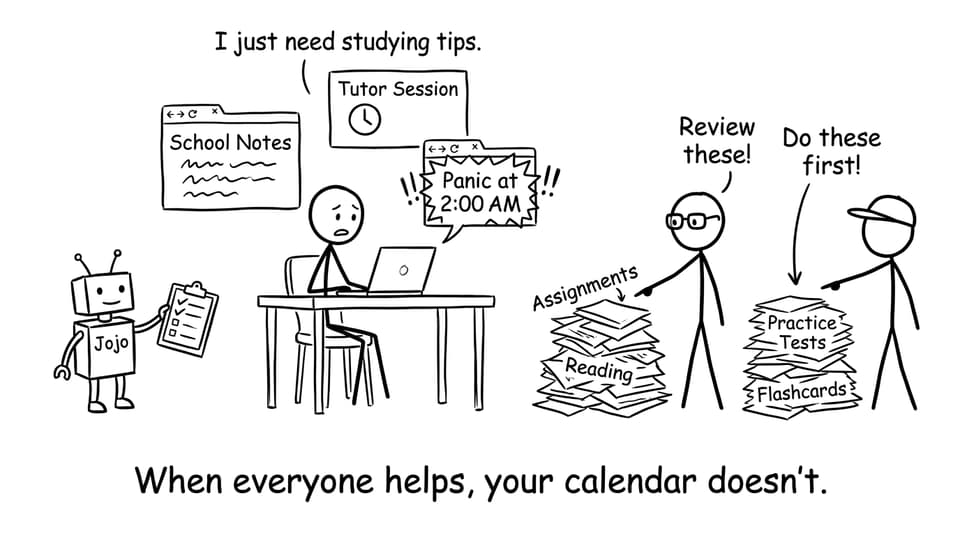
A quick checklist before you book anything
Use this checklist as your first set of Studying Tips. If you can answer these honestly, you’ll avoid paying for help you don’t need (and avoid suffering without help you do need).
-
Are your grades dropping in one subject despite consistent effort?
-
Do you understand lessons in class, but blank in exams?
-
Are you losing marks on technique (command terms, structure, method) more than content?
-
Have you asked your teacher for targeted feedback, not just “how can I improve?”
-
Do you have proof-based revision data (what you get wrong repeatedly), not just a vague feeling?
-
Are you behind because of time (illness, schedule), not ability?
-
Would 2-4 sessions of focused help solve a specific bottleneck?
If you tick 3+ boxes, tutoring might help. If you tick 0-2, your next best move is usually better systems and better practice.
The case for trusting your school (more than you think)
Most IB students underestimate how valuable school is when used correctly.
Teachers don’t just “know the content.” They know the assessment logic: what the markscheme rewards, what examiners ignore, and where students typically overwrite or under-explain. The problem is that many students never fully access that expertise because they don’t ask specific questions.
Here are school-first Studying Tips that actually work:
-
Bring a single question to office hours: “Why is this a 5-mark answer and not a 3?”
-
Ask for one improvement target: “What’s my most repeated mistake pattern?”
-
Request exemplar comparisons: “What’s the difference between a 6 and a 7 response here?”
Then build a routine that makes school learning stick. A strong home base helps, which is why many students use RevisionDojo alongside school: it keeps your learning, practice, and feedback in one loop instead of scattered tabs.
If you’re missing practice structure, start with RevisionDojo App: The Smarter Way to Prep for IB Exams and copy the workflow.
When hiring a tutor actually makes sense
A tutor is most valuable when they do something school can’t consistently provide: individual diagnosis and tailored repetition.
Tutoring tends to work best in four situations:
You need a fast diagnosis (not more explanations)
Sometimes you “know the topic,” but your answers don’t score. A good tutor spots whether the issue is interpretation, method, structure, or time management. These are skill problems, not motivation problems.
You’re stuck in a high-friction subject
Subjects like HL Math, HL Chemistry, or Physics often punish small misunderstandings. One wrong assumption becomes ten wrong questions. Tutoring can be the quickest way to remove a single blocking concept.
You need exam technique under timed pressure
Exam technique is a performance skill. If you want to build that skill with realistic practice, combine a tutor’s feedback with structured tools like:
You’ve fallen behind for reasons unrelated to ability
Illness, family changes, timetable overload. In those cases, a tutor isn’t a “crutch.” They’re a ramp back to the curriculum.
If you do choose tutoring, choose IB-specific. Start with Tutoring | RevisionDojo and filter for your subject and level.
The healthiest approach is rarely “either/or”
The smartest Studying Tips usually lead to a hybrid.
Trust school for:
-
syllabus pacing
-
IA/coursework guidance rhythms
-
teacher feedback aligned to your class assessments
Use tutoring for:
-
one skill bottleneck
-
one unit you can’t self-correct
-
exam technique calibration
And use a platform to connect it all so nothing gets lost between sessions. RevisionDojo is designed to make that easy: Study Notes for clarity, Flashcards for daily recall, AI Chat when you’re stuck, Grading tools for rubric feedback, Mock Exams and Predicted Papers for timed rehearsal, a Coursework Library to reduce deadline stress, and Tutors when you need a human lens.
If you want a simple “all-in-one” study routine, IB Revision Made Easy With RevisionDojo All-in-One lays out a repeatable system.
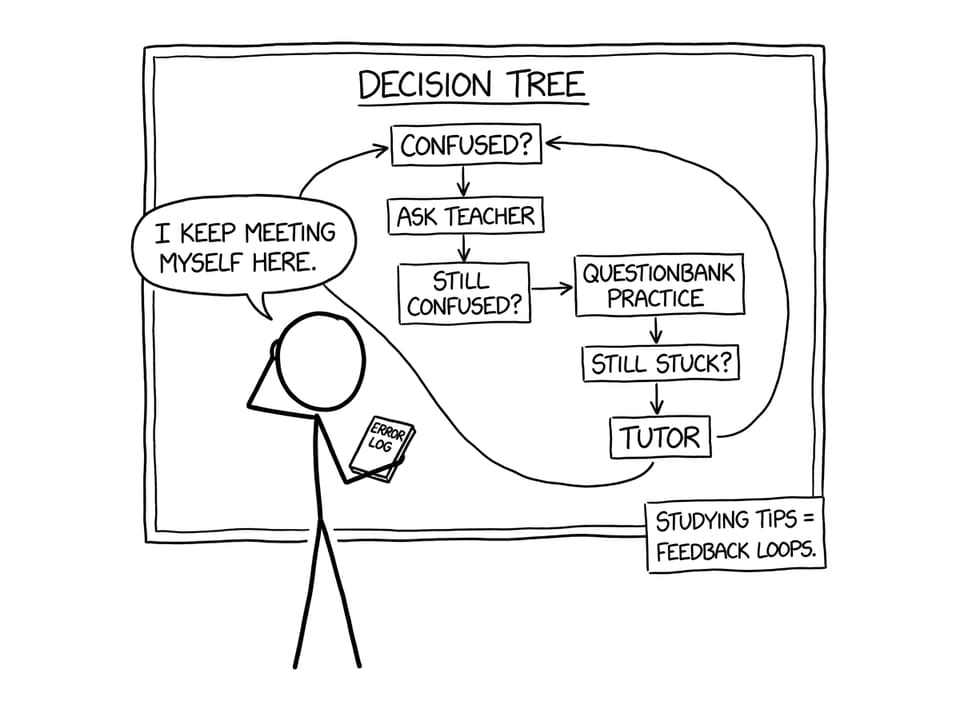
Avoid the tutoring traps that waste time (and confidence)
Tutoring can backfire when it becomes emotional spending: buying sessions to quiet anxiety.
Common traps:
Overbooking until you burn out
More support isn’t always more learning. If you have tutoring 3 times a week but no time to practice, you’re renting clarity without building skill.
Using tutoring as a substitute for practice
The IB rewards what you can do alone, under time. That means your schedule needs practice blocks, not just explanation blocks.
Choosing a tutor who isn’t IB-specific
A tutor can be brilliant at a subject and still teach the wrong style for IB. You want someone who can speak in markschemes, command terms, and paper strategy.
A helpful screen is outlined in IB Tutor Selection Guide: How to Choose the Best Fit.
A simple plan: school support + RevisionDojo + targeted tutoring
Here’s a practical weekly structure you can actually keep.
The baseline (no tutor needed)
-
2 sessions: learn a topic with Study Notes, then test yourself
-
3 sessions: drill that topic in the Questionbank with instant feedback
-
1 session: timed block using Mock Exams or Predicted Papers, then review
If you need help building that loop, start with Meet Jojo AI: Your Personal IB Study Assistant and use AI Chat to clarify mistakes quickly.
The “targeted tutor” upgrade (2-4 weeks)
-
One tutor session weekly focused on one skill (not the whole subject)
-
After the session: 30-45 minutes of Questionbank practice on that exact skill
-
End of week: one timed mini-mock to prove the change stuck
This is the tutoring ROI most students miss, and it’s explored in IB Tutoring ROI: Investment in Your Academic Future.
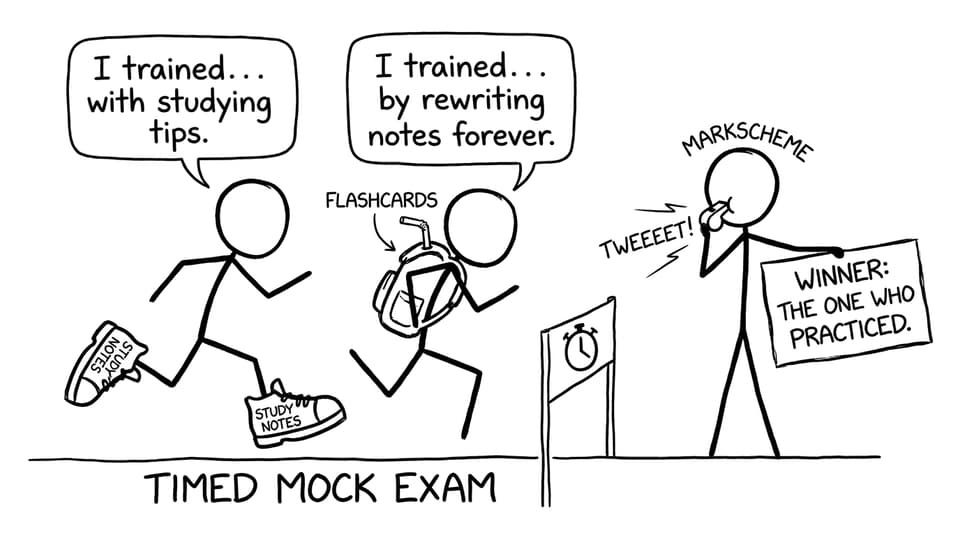
Conclusion: choose the support that creates proof
The real question isn’t “tutor or school?” It’s: What support helps you produce marks under time?
If school support plus strong systems is enough, trust it and double down on deliberate practice. If you have a specific bottleneck, targeted tutoring is a smart shortcut, not a weakness.
Either way, keep your revision grounded in Studying Tips that create proof: practice questions, feedback, error logs, and timed rehearsal. That’s exactly what RevisionDojo is built for: a single home base with Questionbank, Study Notes, Flashcards, AI Chat, Grading tools, Predicted Papers, Mock Exams, a Coursework Library, and Tutors when you need a human edge.
If you want to make your next study session feel clear instead of chaotic, start at RevisionDojo and build your loop today.