



The choice that changes your week
A lot of IB decisions feel loud: new schools, new friends, new deadlines. But the SL vs HL decision in IB English is quieter. It shows up later, on an ordinary Tuesday, when you realise your reading list is heavier than you expected or your writing practice is suddenly non-negotiable.
If you’re asking, “Should I take English A Language and Literature at SL or HL?”, you’re really asking a deeper question: How much thinking time can I afford, and how much depth do I want to be rewarded for? In IB English, both levels teach you to analyse how texts make meaning. The difference is how far you’re expected to go, how often, and under how much pressure.
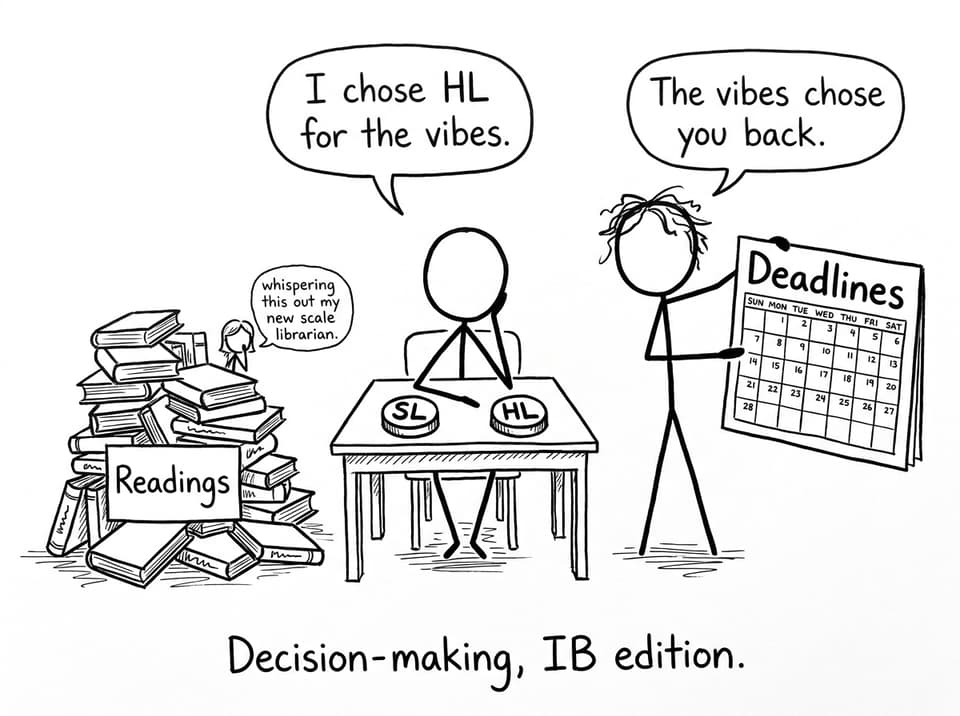
Quick checklist: SL or HL in IB English?
Use this to get unstuck fast:
-
Choose SL if you want strong IB English skills with a more manageable reading and writing load.
-
Choose HL if you enjoy sustained analysis and can handle extra drafting, feedback cycles, and deeper comparison.
-
Choose HL if you want an extra assessed writing component (the HL Essay) and you’re willing to train for it.
-
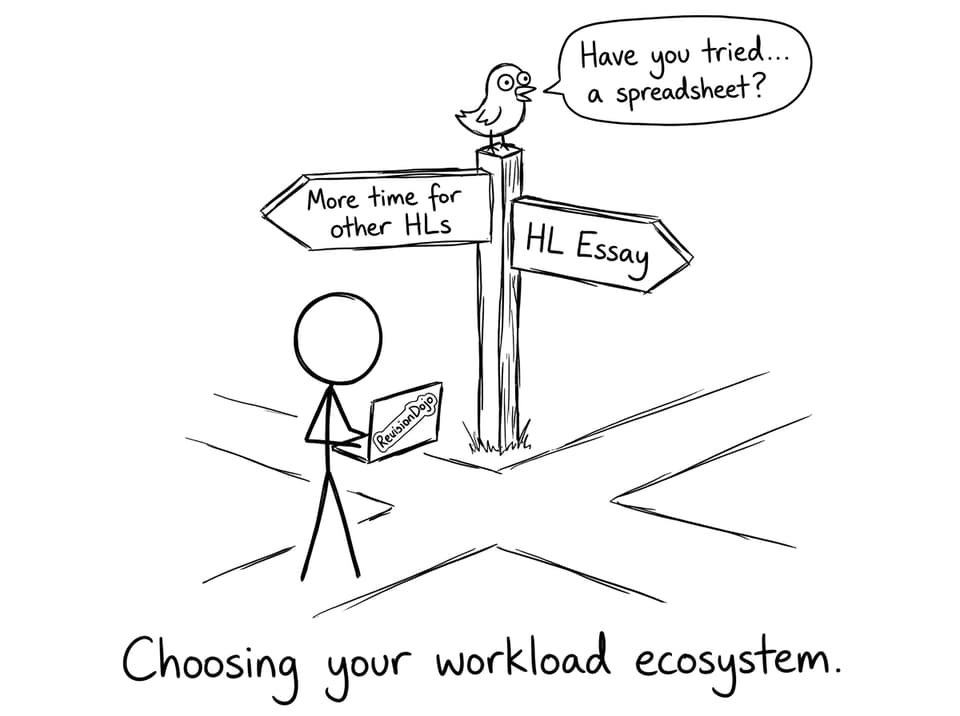
Choose SL if English is not your university direction and you need bandwidth for other HLs.
-
Either way, your exam success will depend less on “talent” and more on repeatable method (thesis, evidence, technique, effect).
If you want a clear home base for both levels, start with IB English A: Language & Literature resources.
What actually changes between SL and HL in IB English
Depth and volume: the real difference
The simplest difference in IB English is volume. HL usually means more texts and more practice writing about them. But the more meaningful difference is depth: HL pushes you to keep going after the first decent idea.
At SL, a solid paragraph might be enough to show clear understanding and technique-based analysis. At HL, you’re more often rewarded for precision: noticing patterns, weighing alternatives, and building a line of argument that doesn’t wobble when the examiner looks closely.
For a deeper comparison of the course expectations, keep this guide open: What are the differences between SL and HL in IB English A?
Assessments: where HL becomes a different lifestyle
Both levels share the big pillars of IB English assessment: timed analysis, comparative writing, and speaking.
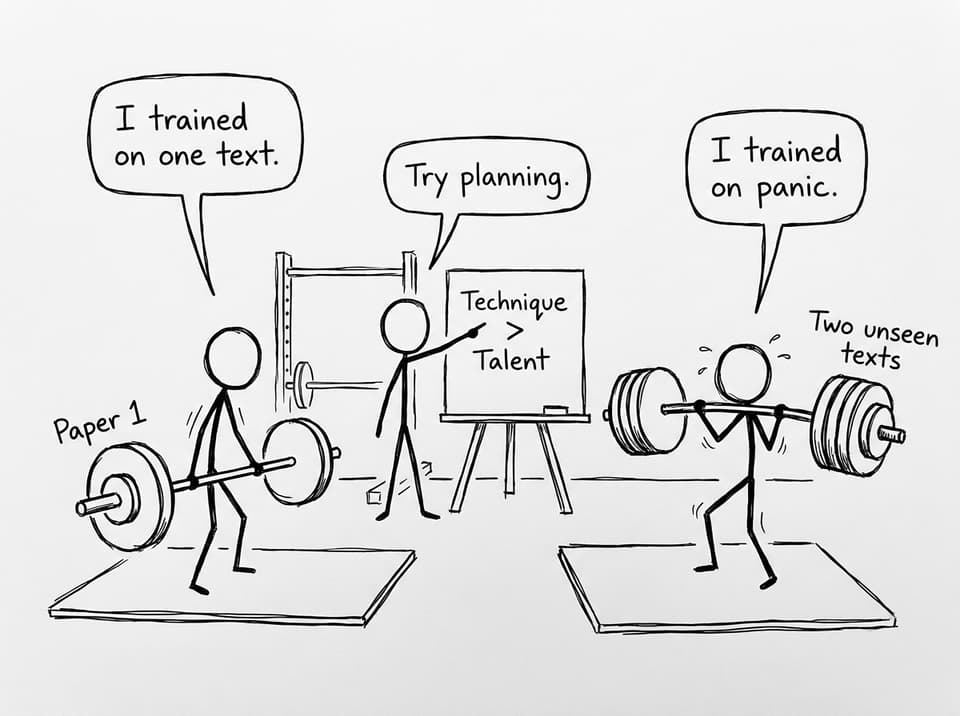
The key shift is Paper 1 demand (HL often handles more unseen material) and the addition of the HL Essay at HL. That extra component isn’t just “one more task.” It changes your year because it adds a long-form drafting process: choosing a line of inquiry, collecting evidence, writing, revising, polishing.
If HL Essay is part of your decision, read Understanding the HL Essay for IB English A and keep How to prepare for the IB English HL Essay bookmarked.
How to choose based on your strengths (not your ego)
Choose SL if your best work is consistent, not expansive
SL can be a strategic choice in IB English if you’re aiming for a balanced diploma. You still learn the core craft: turning observations into claims and claims into organised argument. You still sit the same style of conversations about texts. But you keep more time for other subjects, CAS, sport, or simply sleep.
SL is especially smart if:
-
you don’t enjoy long drafting cycles,
-
you’d rather train exam technique than build a big coursework project,
-
English is important, but not your main academic identity.
To make SL feel “lighter” without making it weaker, adopt a method-first routine like the one in IB English study techniques that actually work.
Choose HL if you like the slow burn of a good argument
HL is for students who don’t mind sitting with a question long enough for their first answer to feel incomplete. In IB English, that’s a superpower. HL rewards the ability to narrow down, choose an angle, and make it sharper instead of broader.
HL is a good fit if:
-
you enjoy writing and rewriting until the logic clicks,
-
you like comparing texts and building interpretations that hold up,
-
you’re considering humanities, languages, literature, media, communication, law, or social sciences.
If you’re worried HL will force you into “fancier” writing, relax. High-scoring IB English is usually clearer, not louder. For that mindset, read How to write a perfect IB English essay without losing originality.
Exam prep implications: how SL and HL revision feels different
Revision is where the level choice becomes real. In IB English, you don’t revise by rereading everything. You revise by building a repeatable process.
-
For Paper 1, you need an analysis routine you can run under stress.
-
For Paper 2, you need comparisons that are already organised into themes and techniques.
-
For the IO, you need a plan that sounds natural but is secretly structured.
A practical way to study is to split your week into “method” and “materials.” Use IB English revision notes to patch gaps, then use Paper 1 questionbank practice and Paper 2 questionbank practice to convert understanding into marks.
This is where RevisionDojo feels less like a resource and more like a system: Study Notes to learn, Flashcards to retain, Questionbank to practise, and AI Chat to quickly clarify confusion before it hardens into a bad habit. When you’re drafting, the Grading tools help you check alignment to criteria. When you want realism, Mock Exams and Predicted Papers create pressure in a controlled way.
The decision, simplified
Pick the level that makes you more consistent, not the level that makes you feel impressive. In IB English, marks come from controlled thinking under time pressure, not from having read more books with more suffering.
If you want a single place to practise Paper 1, Paper 2, the IO, and HL Essay skills with feedback built in, make RevisionDojo your default. Start with the IB English A: Language & Literature resources hub, choose SL or HL practice filters, and build a study rhythm you can keep when exam season gets loud.
Near the end of the year, the students who score well in IB English usually aren’t the ones who “love English” the most. They’re the ones who chose the right level for their life, then practised the right things, repeatedly, until calm became a habit.