
An unfinished revision plan can be repaired. A missed study session can be rescheduled. A young person who feels alone with overwhelming pressure needs something more immediate: an adult who notices, listens, and helps them find appropriate support.
If you are worried about your child during IB exam preparation, take that concern seriously without assuming the worst. The most useful mental health resources for IB families usually begin with the student's school counsellor or wellbeing team, a family doctor or licensed mental health professional, and a verified local helpline when urgent support is needed. At home, calm conversations, protected sleep, regular meals, movement, and a manageable workload can reinforce that professional support.
This article is educational rather than a substitute for medical care. If your child may be in immediate danger, has harmed themselves, or cannot stay safe, contact your local emergency service or crisis service now and remain with them if it is safe to do so.
A quick support checklist for IB diploma parents
Use this as a starting point rather than a diagnostic test:
- Ask, do not assume. Find out what your child is experiencing in their own words.
- Observe patterns. Notice changes in sleep, eating, mood, concentration, attendance, relationships, and normal activities.
- Lower immediate pressure. Pause arguments about marks, productivity, or university outcomes.
- Contact the school. Ask about counselling, pastoral care, workload coordination, and available adjustments.
- Seek healthcare support. Consult a doctor or qualified mental health professional when symptoms are severe, persistent, worsening, or disrupting daily life.
- Know the urgent route. Save the relevant emergency and crisis contacts for your country before you need them.
- Protect the relationship. Make it clear that honesty will lead to support, not punishment.
Distinguishing exam nerves from a need for more help
Some nervousness before an examination is understandable. Stress becomes more concerning when it is intense, lasts beyond a brief difficult period, or begins interfering with ordinary functioning.
The NHS guidance for parents on exam stress identifies possible signs including persistent worry, tension, headaches or stomach pain, disrupted sleep, irritability, appetite changes, low mood, hopelessness, and losing interest in previously enjoyable activities. The World Health Organization overview of adolescent mental health also emphasizes that anxiety and depression can affect school attendance, schoolwork, relationships, and wellbeing.
No single sign proves that a student has a mental health condition. Look instead at duration, severity, change from their usual behaviour, and impact on daily life. A student who feels anxious but can still sleep, eat, connect with others, and complete ordinary tasks may need reassurance and practical support. A student who is withdrawing, repeatedly panicking, expressing hopelessness, or struggling to function needs prompt attention from a qualified professional.
For more context on IB-specific patterns, parents can read about supporting a teenager experiencing pre-exam burnout and responding when a child says IB is affecting their mental health.
Start with a conversation, not an intervention
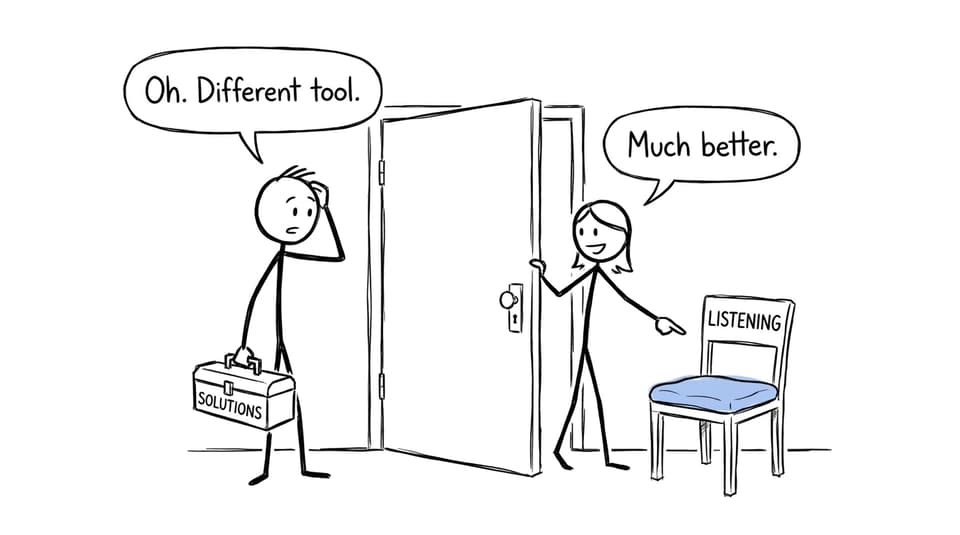
Parents often rush toward solutions because they care. Yet a timetable, tutor, or motivational speech can feel like additional pressure when a student is trying to explain that they are not coping.
Choose a quiet moment and begin with an observation rather than an accusation:
- "You have seemed exhausted and withdrawn this week. How are things feeling?"
- "I am not here to lecture you about revision. I want to understand what is happening."
- "Would you like me to listen, help you make a plan, or help you contact someone?"
Let silence exist. Avoid immediately comparing your child's experience with another student's workload or telling them that everyone is stressed. Validation does not mean agreeing with every conclusion. It means recognizing that the distress is real.
If your child does not want to speak with you, offer alternatives: a trusted teacher, school counsellor, relative, coach, doctor, or another safe adult. The goal is not to make yourself the only source of help. It is to ensure that your child is not carrying the problem alone. The guide on talking to an IB student about burnout offers further conversation prompts.
Build a ladder of IB stress support
Mental health support is easier to navigate when families think in layers. The appropriate starting level depends on urgency and how much the problem is affecting daily life.
| Level of need | Appropriate next step |
|---|---|
| Temporary exam pressure | Listen, reduce avoidable demands, protect recovery, and check in again soon |
| Repeated distress or declining functioning | Contact the school's counselling or wellbeing team and arrange a healthcare assessment |
| Severe, escalating, or persistent symptoms | Seek prompt support from a doctor or licensed mental health professional |
| Immediate danger or inability to stay safe | Contact emergency or crisis services now and stay with the student when safe |
School-based support
Ask the IB coordinator, counsellor, or pastoral lead what is available. Depending on the school and location, this could include counselling, regular check-ins, coordination between teachers, a quieter workspace, or guidance on formal access arrangements. Availability and eligibility vary, so families should ask the school directly rather than assuming a particular adjustment can be provided.
Bring specific observations: when the change began, how sleep or attendance has been affected, and which deadlines or exam situations appear to intensify it. Include your child in the conversation wherever possible. Support is more likely to feel collaborative when it is arranged with the student rather than around them.
Professional healthcare
A family doctor, paediatrician, psychologist, psychiatrist, counsellor, or other appropriately licensed professional can assess symptoms and recommend suitable care. Families do not need to determine a diagnosis before making contact. Describing what has changed and how it affects everyday life is enough to begin.
The WHO and UNICEF's Helping Adolescents Thrive Toolkit recognizes the importance of supportive family environments alongside appropriate psychosocial care. Parents can provide steadiness and connection, but they should not feel responsible for replacing professional treatment.
Create a calmer home during exam preparation
Home cannot remove every source of IB pressure. It can stop adding unnecessary friction.
Protect sleep and physical recovery
The CDC recommends 8 to 10 hours of sleep for teenagers aged 13 to 17. Treat sleep as a health need, not a reward earned after revision. Agree on a realistic stopping time, reduce late-night household noise where possible, and avoid celebrating all-night study as commitment.
Regular meals, hydration, movement, and time away from a desk also matter. These habits are supportive foundations, not cures for anxiety or depression. The practical discussion of balancing sleep and study during IB preparation can help families negotiate routines without turning bedtime into another conflict.
Reduce uncertainty, not autonomy
Ask which form of help would make the week lighter. It might be preparing dinner, handling transport, protecting a quiet room, or helping the student list deadlines. Avoid taking control of every hour. Excessive monitoring can turn support into surveillance.
A useful weekly conversation has only three questions:
- What has to happen this week?
- What can be postponed, simplified, or discussed with a teacher?
- What recovery time needs to be protected?
Families needing a practical framework can consult this parent guide to IB time management. The purpose is not to fit more work into every day. It is to make the workload visible enough to identify where help is needed.
Remove result-based threats
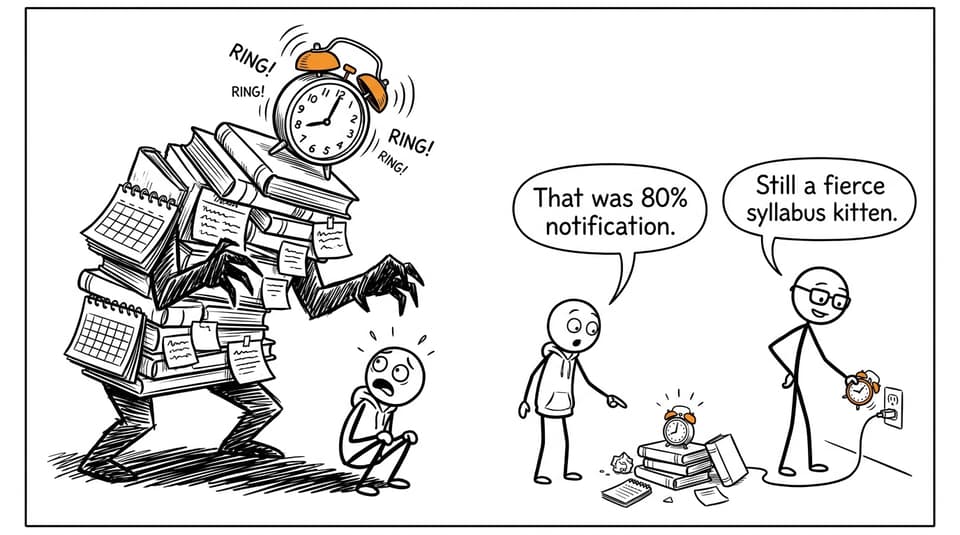
Statements about wasted opportunities, tuition costs, university admission, or disappointing the family may be intended as motivation. Under severe stress, they can make a student feel trapped.
Replace outcome pressure with a clearer message: "Your health matters more than a single result, and we will deal with the next step together." This does not abandon academic expectations. It places them inside a safer perspective.
Know where to find urgent mental health resources
Crisis services are location-specific. Confirm the service available where your family lives rather than assuming that a number works internationally.
- United States: Call, text, or chat through the 988 Suicide & Crisis Lifeline for free, confidential support at any time.
- Canada: Call or text 9-8-8 through Canada's Suicide Crisis Helpline, available at all hours.
- United Kingdom: Use the NHS urgent mental health guidance for young people to find the appropriate route.
- Australia: Kids Helpline provides free, confidential phone and online counselling for young people aged 5 to 25.
- Other locations: Use the Child Helpline International directory to look for a local youth service.
If there is immediate physical danger, contact your local emergency number. Do not leave a student alone when they appear unable to stay safe, provided remaining with them does not place anyone else in danger. Remove access to obvious means of harm when you can do so safely, and follow the instructions of emergency or crisis professionals.
Support the parent as well as the student
A worried parent can become hypervigilant, checking every facial expression and unfinished task. That reaction is understandable, but it is exhausting. Seek support from another trusted adult, your own healthcare provider, or a parent support service if fear is affecting your sleep or judgement.
Keep adult worries in adult spaces. Your child should know you care, but they should not feel responsible for regulating your anxiety. Calm does not mean pretending everything is fine. It means becoming steady enough to take the next sensible action.
The next step matters more than the perfect plan
IB families do not need to solve an entire exam season tonight. They need one honest conversation and one appropriate next step.
Ask your child how they are functioning, not simply how revision is going. Contact the school if the workload or learning environment needs attention. Arrange professional support when distress persists or daily life is deteriorating. Save the correct crisis contact now, while you have the time to verify it.
The reassuring truth is not that every problem disappears quickly. It is that an IB student does not have to face it alone. A calm adult, a responsive school, and qualified mental health support can form a stronger safety net than any family member could build by themselves.