Somewhere between your third HL deadline and your fifth cup of tea, the question shows up like a quiet intruder: does Oxbridge like the IB better?
It’s a fair question, and not just because Oxford and Cambridge feel like mythical places with Latin mottos and intimidating libraries. It’s because the IB asks you to be two things at once: a specialist and a generalist. You’re expected to write like a humanities student, calculate like a scientist, reflect like a philosopher, and still show up to class like a normal teenager.
Oxbridge doesn’t want “perfect” students. It wants students who can think under pressure, learn independently, and argue with precision. The uncomfortable truth is that those are exactly the habits the IB tries to build. So yes, the IB is respected. But the deeper answer is more useful than a simple “yes” or “no.”
This guide breaks down what Oxbridge really values in IB applicants, the typical score expectations, subject choices that matter, and how to turn exam preparation into evidence of readiness. Along the way, you’ll see how RevisionDojo helps you train for the parts of the IB that Oxbridge actually notices: problem-solving, writing clarity, and consistency.
Quick checklist: what Oxbridge looks for in an IB student
Before we go deeper, here’s the simplest way to translate the Oxbridge “vibe” into actions you can take inside the IB.
-
Strong predicted grades (usually around the low 40s for the most competitive courses)
-
High HL performance in the subjects most relevant to the degree
-
Evidence you can learn independently (your EE and reading habits matter here)
-
Clear thinking under questioning (interviews, admissions tests, and tutorial-style discussion)
-
Academic writing that is structured, not just “smart-sounding”
-
Exam stamina and accuracy (Oxbridge loves potential, but offers depend on results)
If you want a place to keep all of that in one ecosystem, start with RevisionDojo for IB and build from there.
Does Oxbridge like IB better? The honest answer
Oxbridge doesn’t officially “rank” qualifications like a playlist. But it does have patterns.
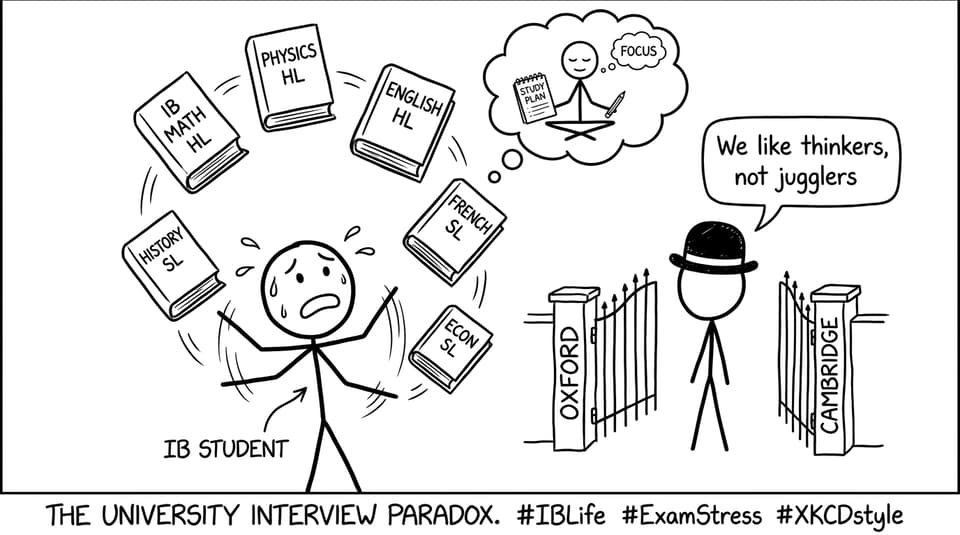
The IB is widely recognised by both Oxford and Cambridge as a rigorous pre-university programme because it combines depth (HLs) with breadth (six subjects plus core). That structure maps neatly onto what Oxbridge expects once you arrive: lots of reading, fast feedback loops, and constant switching between absorbing information and producing arguments.
So does Oxbridge like the IB better?
-
Oxbridge likes evidence of academic readiness.
-
The IB often provides that evidence in a cleaner, more legible way than many other routes.
But it’s not automatic. Oxbridge will not reward you for “doing the IB” if your IB performance doesn’t show mastery, or if your subject choices don’t fit the course.
Why the IB aligns with Oxbridge habits
There’s a reason Oxbridge interviews sometimes feel like someone calmly removing the floor beneath your argument and asking you to keep walking.
The IB trains a similar muscle: explaining your reasoning.
Breadth that still demands precision
In the IB, you can’t hide in one subject. Even if you love HL Chemistry, you still have to write essays, reflect on knowledge, and keep another four subjects alive.
Oxbridge tends to like this because it signals a student can handle cognitive load. Not “busywork” load. Thinking load.
And if you’re aiming for exam-level precision rather than general understanding, it helps to use targeted resources: RevisionDojo’s Study Notes are built to keep revision syllabus-tight and exam-useful, so your breadth doesn’t become chaos.
Extended Essay: a mini rehearsal for Oxbridge study
The EE is not just an assignment. It’s a personality test.
It asks: can you choose a question, narrow it, read deeply, evaluate evidence, and write something coherent without someone reminding you every hour?
That’s uncomfortably close to how Oxbridge degrees feel.
If you want to keep your EE process sane while exams approach, RevisionDojo’s Coursework Library and Grading tools are designed for iterative improvement: draft, get feedback, revise, repeat. It’s the same loop you’ll need for IB essays and problem sets.
TOK and the Oxbridge interview mindset
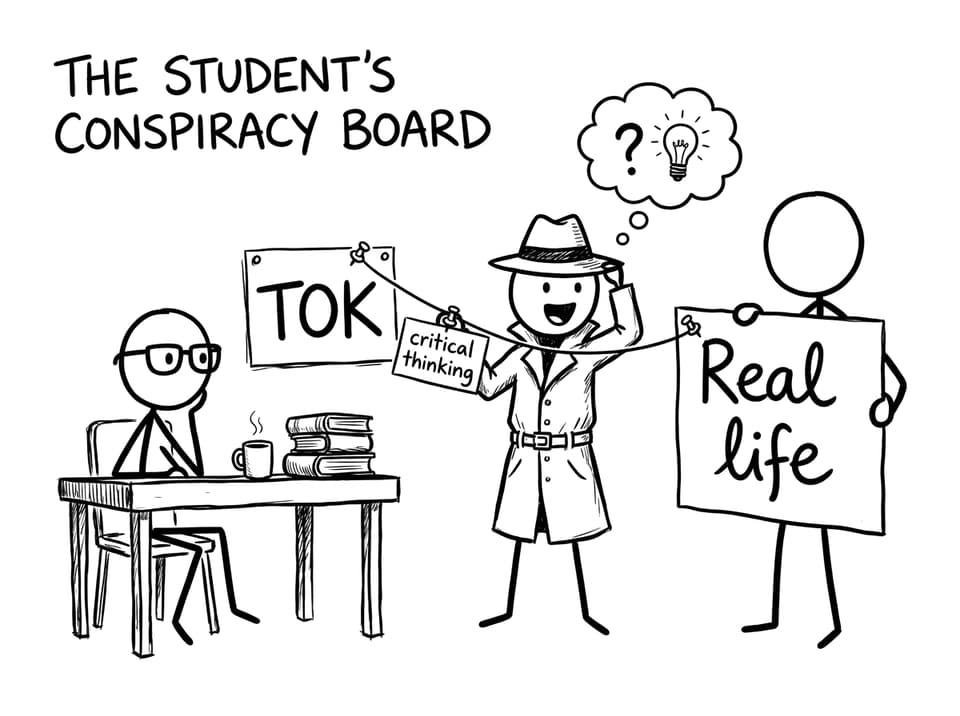
TOK gets mocked because it’s hard to “study” in the usual way. But Oxbridge interviews often reward the exact thing TOK tries to build: the ability to question assumptions without becoming vague.
A strong TOK student can do this:
-
define terms precisely
-
use examples to test claims
-
acknowledge limitations without collapsing into uncertainty
That’s not fluff. It’s interview-ready thinking.
IB score expectations: what “competitive” tends to mean
For most applicants, the IB question becomes practical: “What score do I need?”
The exact offer depends on course and year, but competitive applications often sit in the high 30s to low 40s range, with many students aiming around 40-42 for the most selective courses. Some courses go higher.
Oxford in particular often frames offers in a way that makes HL performance unmistakable: your overall points matter, and the pattern across your HL subjects matters even more.
For a detailed Oxford-specific breakdown for IB students, use this guide: What Scores (IB) Do I Need to Get to Be Admitted to Oxford?
The important part: predicted grades open the door, but your final IB results decide whether you walk through it.
Subject combinations: the quiet deal-breaker
Oxbridge can admire your ambition and still reject your application if your subjects don’t match the course.
This is where IB strategy matters.
If you’re applying for STEM
For Engineering, Natural Sciences, Medicine, or related courses, Oxbridge will usually expect very strong HLs in Mathematics and the relevant sciences.
It’s not about being “well-rounded.” It’s about having the right tools.
To train those tools consistently, build a tight practice loop with RevisionDojo’s Questionbank and subject hubs (example: IB Biology Resources). The goal isn’t more revision. It’s more deliberate repetition of the exact thinking the IB exams demand.
If you’re applying for humanities or social sciences
For History, English, PPE-style thinking, Economics, and similar courses, Oxbridge cares about:
-
reading comprehension
-
argument structure
-
evidence selection
-
clarity under time pressure
That overlaps strongly with the IB essay ecosystem. The danger is writing beautiful paragraphs that don’t answer the question.
Use exam-style practice and feedback loops. RevisionDojo’s AI Chat can help you interrogate your own thesis, while Grading tools can help you see where marks are actually lost in structure and focus.
The part most students miss: Oxbridge rewards exam-ready calm
There’s a quiet moment in every exam season where you realise motivation is unreliable.
The students who improve fastest are not the ones who feel confident. They’re the ones who run systems.
A useful IB system looks like this:
-
learn one concept fast
-
test it immediately
-
review mistakes while they still sting
-
repeat until the mistake disappears
RevisionDojo is built around that loop.
If you want a clear structure for the weeks before exams, this article pairs well with Oxbridge ambitions: How to Study for IB Mocks (Without Burning Out)
How RevisionDojo helps you build an Oxbridge-level IB profile
Oxbridge doesn’t want you to hoard resources. It wants you to understand things deeply and express them clearly.
RevisionDojo helps because it reduces friction. You stop spending energy deciding what to do next, and start spending it actually improving.
Questionbank: practice that behaves like the IB
The best revision is not reading. It’s producing answers.
RevisionDojo’s IB Question Bank | How to Use It Effectively explains the strategy: filter by topic, practice under pressure, and use feedback to attack weak areas.
That’s exactly how you turn “I studied” into “I can score.”
Study Notes and Flashcards: memory that compounds
Most IB students waste hours rewriting notes because it feels productive.
A better approach:
-
skim a small section of notes
-
convert it into recall prompts
-
review daily
RevisionDojo supports this directly through Digital IB Study Notes and IB Flashcards with Spaced Repetition (SRS), plus the feature overview at Flashcards.
Those short sessions matter more than you think. Consistency is what makes your IB knowledge available under interview pressure and exam timing.
Predicted Papers, Mock Exams, and feedback loops
When students say “I’m scared for the exam,” they usually mean “I haven’t practised the whole thing under time.”
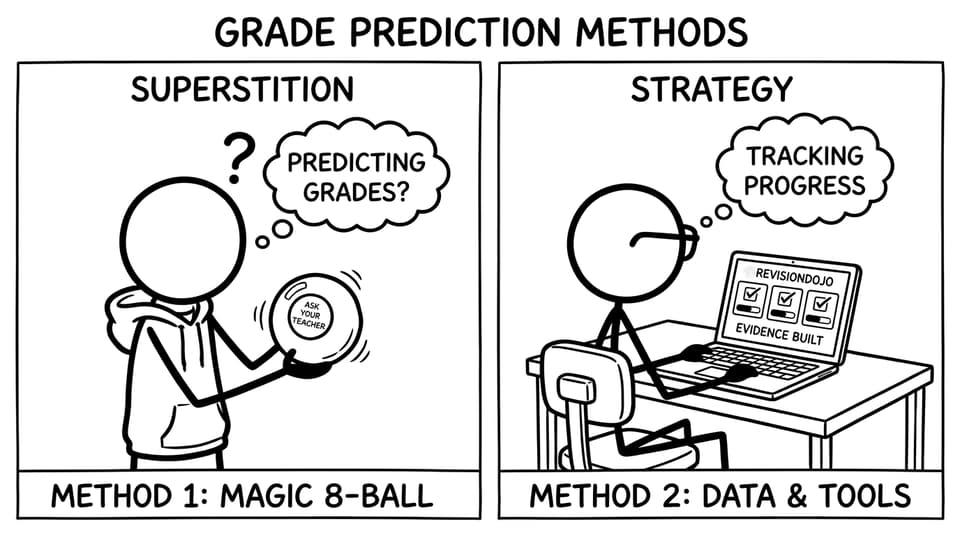
RevisionDojo’s IB Predicted Papers and exam-focused tools help you build stamina and pacing. And if you want the philosophy behind using them without superstition, this is a good companion: IB Predicted vs Specimen Papers: What They Mean
Tutors when the stakes are high
There’s a specific kind of confusion that AI explanations and self-study can’t fix: when you’re close, but not clean.
That’s where tutors help most: refining argument structure, correcting misconceptions, and giving honest standards.
RevisionDojo’s tutoring ecosystem is designed for that moment, and it pairs naturally with the platform tools you’re already using. If you want to understand the flexible model, read: Flexible IB Tutoring Schedules: Study When It Works for You
Closing: the IB is respected, but your system is what wins
Oxbridge does respect the IB, partly because it recognises what you’ve lived through: six subjects, HL depth, TOK, CAS, and the Extended Essay all running at once. But the real advantage isn’t the label. It’s the habits.
If you’re preparing for IB exams right now, the best thing you can do for an Oxbridge dream is also the best thing you can do for your final score: build a calm, repeatable practice loop, get feedback quickly, and keep showing up.
If you want that loop in one place, start with RevisionDojo for IB. Use Questionbank to practise, Study Notes to stay focused, Flashcards to remember, AI Chat to get unstuck, Mock Exams and Predicted Papers to build stamina, and Grading tools, the Coursework Library, and Tutors when you need sharper guidance.
Oxbridge might like the IB. But universities don’t admit programmes. They admit students who can think.

