


A Collaborative Project can feel like a small miracle: six people, one room, one idea, and somehow a performance appears.
But in IB Theatre, that miracle is graded. And most marks aren’t lost in the final week, and they leak out slowly, through tiny process mistakes nobody notices until the documentation is due.
This guide breaks down the most common IB Theatre Collaborative Project mistakes and exactly how to fix them early, while your ensemble still has time to pivot.
Quick checklist for a cleaner IB Theatre process
-
Explore at least 3 starting points before committing
-
Agree on roles, then rotate leadership each rehearsal
-
Tie creative choices to research, culture, and conventions
-
Document after every session (notes, photos, sketches, timestamps)
-
Reflect on decisions using “why,” not just “what”
If you want a fuller roadmap before you troubleshoot, keep How to Succeed in the IB Theatre Collaborative Project open as your process anchor.
Common IB Theatre Collaborative Project mistakes (and how to fix them)
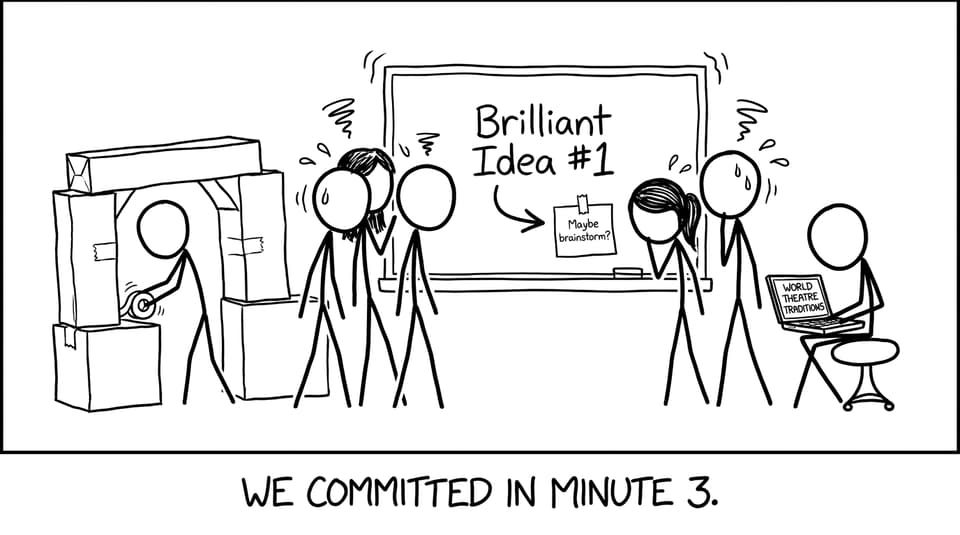
Rushing the starting point
What happens: The group picks the first decent stimulus and treats it like destiny. Two rehearsals later, you’re forcing scenes to fit an idea that never had room to breathe.
Fix it: Treat the start like auditions for your concept. Explore multiple stimuli, improvise off each one, and record what each option unlocks (movement quality, mood, structure). Use Using Starting Points Effectively in the Collaborative Project as your checklist for exploration, not just selection.
Unequal contribution (or invisible contribution)
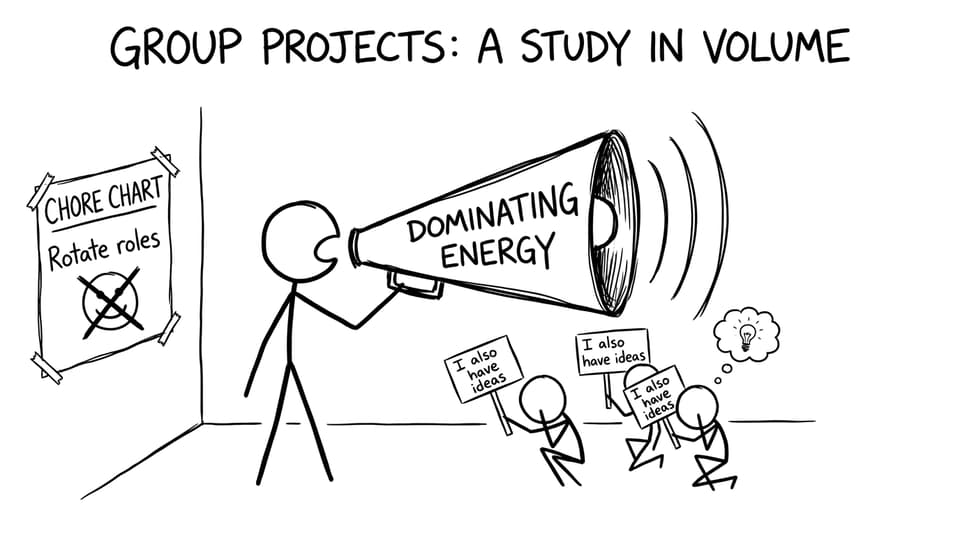
What happens: One person directs everything, one person does all design, and two people “help.” Even if the group is friendly, marks can suffer when your individual contribution isn’t clearly evidenced.
Fix it: Define roles for the week, then rotate. Make contribution visible: who led warm-ups, who shaped structure, who researched conventions, who refined transitions. Remember: the performance is shared, but in IB Theatre the assessment evidence is individual.
For clarity on the non-negotiable nature of group work, see Is Collaboration Mandatory in IB Theatre?.
Research stays in the notebook, not in the room
What happens: You read about a practitioner or tradition, but rehearsals look the same as always. Examiners can feel when research is decorative.
Fix it: Translate research into a rehearsal task. If you study conventions, build an exercise that forces those conventions into your bodies: space, tempo, gesture, audience relationship. If you need help building that bridge, Connecting Culture and Context in IB Theatre Research and How to Analyze Performance Conventions in World Theatre Traditions make research actionable.
Documentation that starts too late
What happens: You promise you’ll “write it up later.” Later becomes vague. Then your reflection becomes a timeline with no insight.
Fix it: Document within 20 minutes of rehearsal ending. Capture: what you tried, what changed, what failed, what you’d repeat, and one question you’re carrying forward. This habit also supports exam prepbecause your process becomes a study resource.
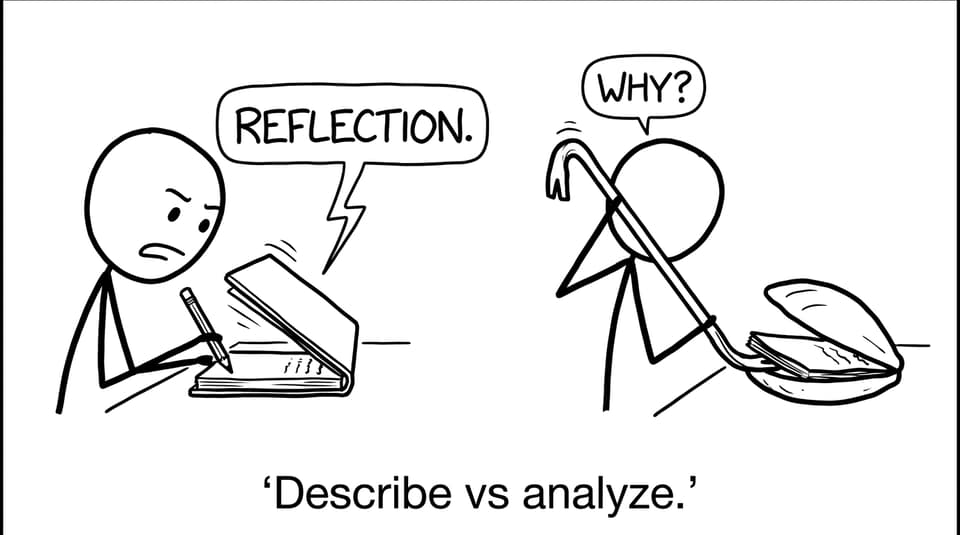
Reflection that describes, but doesn’t analyze
What happens: Students write “we decided,” “we rehearsed,” “we performed.” That’s narration, not reflection.
Fix it: Use a three-step reflection sentence:
-
We changed X (decision)
-
because Y (reason)
-
which affected Z (impact on meaning/audience/ensemble)
Conflict avoidance until it becomes a rehearsal problem
What happens: Small disagreements get postponed. Then the project becomes polite, safe, and artistically bland, or suddenly tense.
Fix it: Schedule a 10-minute “process check” weekly: what’s working, what’s unclear, what needs deciding. Use How to Manage Conflict in IB Theatre Ensembles for scripts you can actually say out loud.
How RevisionDojo helps you fix IB Theatre mistakes faster
When you’re juggling rehearsals and exam prep, you need feedback loops.
RevisionDojo gives IB Theatre students structure through Study Notes, Flashcards, AI Chat, and Grading tools, plus performance-ready support via the Coursework Library, Tutors, Mock Exams, and Predicted Papers. If you’re trying to balance everything across the course, Best Study Strategies for IB Theatre Students (SL & HL) and Time Management Tips for IB Theatre Coursework and Rehearsals help you plan a process that doesn’t collapse in the final month.
Closing: make your IB Theatre process harder to break
Most Collaborative Project stress comes from one fear: “What if we did all this work and it doesn’t count?”
In IB Theatre, it counts when you can prove your process: explored choices, shared responsibility, research in rehearsal, consistent documentation, and honest reflection. Use RevisionDojo’s Questionbank, Study Notes, Flashcards, AI Chat, Grading tools, Predicted Papers, Mock Exams, Coursework Library, and Tutors to tighten those habits now, so your ensemble work becomes something you can explain with confidence, not just something you survived.