


If you have ever heard someone say, “I chose IB Music because it would be relaxing,” you know the moment that follows: a small, brave silence. Because IB Music is creative, yes. But it is also structured, assessed, and surprisingly strategic.
The good news is that the structure is learnable. Once you understand what the course is actually asking you to do, you can turn your practice, listening, and writing into marks.
What is IB Music (really)?
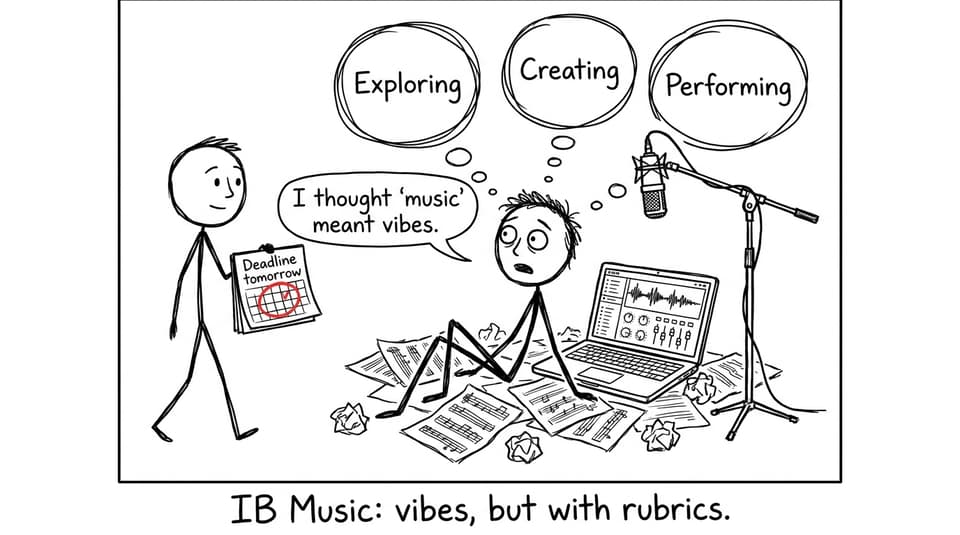
IB Music is a two-year Diploma Programme arts course where you learn to think like a musician, not just behave like one. That means you do three things repeatedly: you explore music from different contexts, you create your own music, and you perform. The course rewards students who can connect musical choices to meaning: culture, function, identity, and intention.
If you want a quick map of where the subject sits inside the DP, this broader overview helps: International Baccalaureate Syllabus: The Complete 2025 Guide.
Quick checklist: what you’ll do in IB Music
Use this as your beginner checklist for IB Music:
-
Listen widely and write short, specific reflections
-
Build a portfolio that shows range and clear decision-making
-
Compose or experiment with musical ideas and document the process
-
Prepare performances that show control and musical understanding
-
Link your work to context (not just “I like it”)
For extra course-specific orientation, browse the IB Music tag hub and treat it like your shortcut shelf.
IB Music course structure: the three core roles
Most students succeed in IB Music when they stop seeing it as “one subject” and start seeing it as three roles you rotate through.
Exploring music: listening with purpose
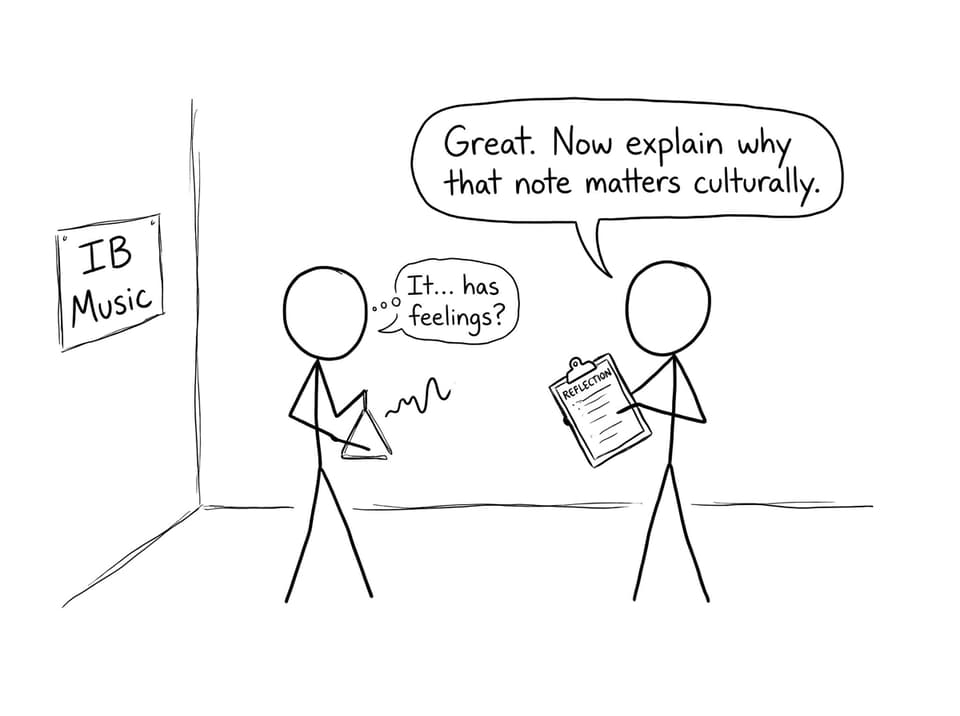
Exploring is not passive listening. In IB Music, you listen like an editor: you notice details, label them precisely (rhythm, texture, timbre, harmony, form), then connect them to context.
A strong way to build this skill is to choose themes that naturally produce contrast. This guide gives high-scoring directions: Best IB Music Exploration Themes for Depth and Variety.
If your course includes comparative work, your marks will climb when your comparisons become specific and evidence-led. Keep this open while you practice: IB Music Comparative Analysis: Best Exam Strategies.
Creating music: composition as a documented process
Creating is where many beginners panic, not because they lack talent, but because they try to write a “final piece” too early. IB Music rewards process: drafts, changes, reflections, and the ability to explain why you made musical decisions.
Two practical supports:
-
For planning and developing ideas: How to Compose Music for IB Music Coursework
-
For writing clearly about what you made: How to Write Program Notes for IB Music Compositions
Performing music: accuracy plus meaning
Performance in IB Music is not just correct notes. Examiners want technical control, stylistic awareness, and evidence that you understand what the music is trying to do.
To avoid the most common traps, use: IB Music Performance Mistakes (and How to Fix Them). For a clearer picture of what assessment is really rewarding, read: What Examiners Look for in IB Music Performances.
SL vs HL: what changes in IB Music?
At both levels, IB Music asks for exploring, creating, and performing. The difference is depth and breadth.
-
SL typically feels more manageable if you keep a steady weekly routine and choose a realistic scope.
-
HL generally adds more demands (more material, more reflection, more sustained connections between research and your own work).
If you like the subject and you can commit to regular outputs, HL can be very doable. The danger is not difficulty, it is inconsistency.
How is IB Music assessed?
Assessment in IB Music is portfolio-driven. Your work is judged for variety, clarity of intent, and reflective thinking across components.
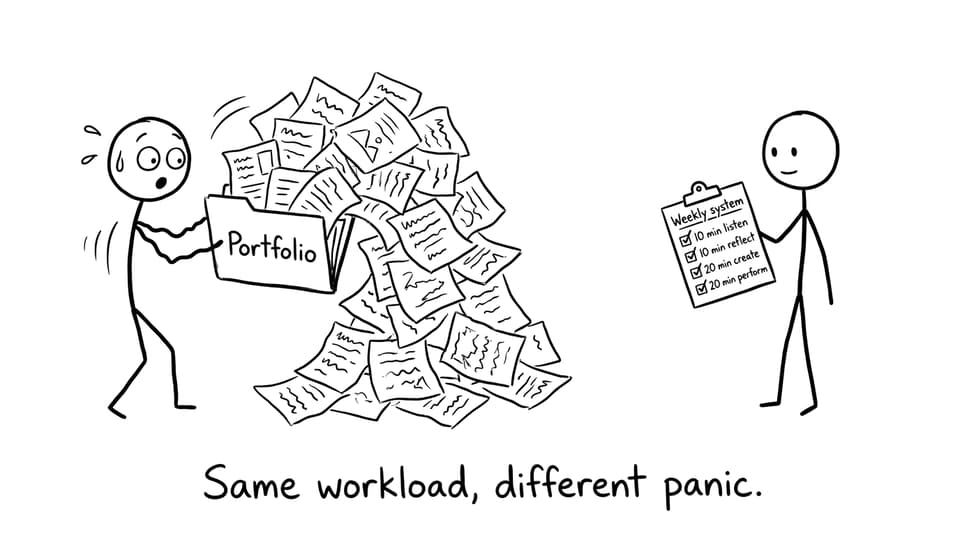
A useful habit is to write reflection while the work is still fresh: after a listening session, after a rehearsal recording, after a composition draft. That keeps your portfolio coherent instead of feeling like separate tasks taped together.
How to revise IB Music efficiently (without burning out)
A calm system beats heroic cramming in IB Music.
-
Use Study Notes to keep terminology and musical features clear.
-
Use the Questionbank to practice exam-style thinking and get feedback fast.
-
When you are stuck, RevisionDojo’s AI Chat helps you turn vague ideas into precise musical language.
-
For realism and timing, RevisionDojo’s Predicted Papers and Mock Exams features let you rehearse under pressure, then improve with feedback.
-
If you want expert eyes on your work, RevisionDojo Tutors can help you refine performance choices, portfolio coherence, and reflection quality.
To make your weekly plan feel simple, this routine guide is practical: Best Study Routines for IB Music Coursework Deadlines.
Final thoughts: why IB Music is worth it
The best thing about IB Music is that it teaches you to notice your own choices. You learn that a rhythm is never just a rhythm, and a performance is never just “playing it right”; it is interpretation.
If you want to make the course feel lighter, build one home base. RevisionDojo gives you the full loop: Study Notes for clarity, Flashcards for recall, a Questionbank for practice, AI Chat and Grading tools for feedback, plus Predicted Papers, Mock Exams, a Coursework Library, and Tutors when you want to level up. Start small, stay consistent, and let IB Music reward the work you can actually repeat.