


If you have ever hit “record” and suddenly forgotten how to breathe, you already know the strange truth of IB Music: your hands can be ready while your mind panics.
The scary part is not the hard notes. It is the small, ordinary mistakes that creep in when you are tired, rushed, or trying to sound “safe.” In IB Music, those tiny habits show up clearly on a recording. The good news is that most of them are predictable, and fixable.
Quick checklist: your IB Music “mistake-proof” routine
-
Pick repertoire that is challenging but reliable under pressure
-
Add musical expression from day one (not “after the notes”)
-
Research style and cultural context so your interpretation makes sense
-
Record regularly and review like an editor, not a critic
-
Rehearse in performance conditions (one take, no stopping)
-
Do a recording test run: room, mic placement, file format, backups
If you want a broader view of how the course is assessed, read How IB Music Is Graded: Assessment Components Explained.
Common IB Music performance mistakes (and how to avoid them)
Choosing repertoire that makes you “prove something”
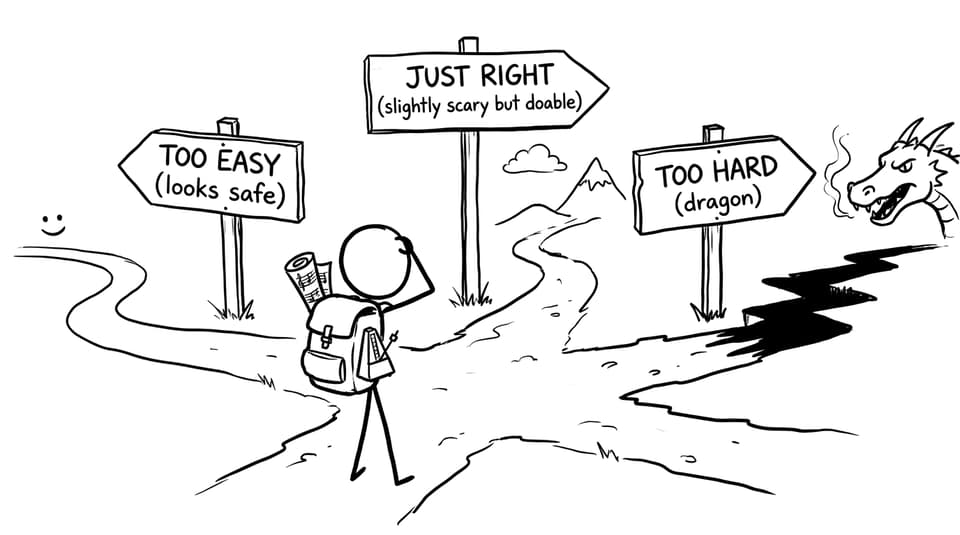
One classic IB Music trap is selecting a piece for the imaginary audience in your head: the examiner, your teacher, a more advanced version of you. That is how students end up with repertoire that is either too easy to show depth, or too difficult to deliver cleanly.
How to avoid it: choose music that sits in the zone where you can play with control on a bad day. Keep one stretch moment (a passage, a technique, a stylistic challenge), but make the overall program stable. If you are also preparing ensemble work, pair this with How to Prepare for Your IB Music Ensemble Performance.
Treating expression like “extra credit”
Many students practice IB Music like a spelling test: correct notes first, then maybe add dynamics later. But expression is not decoration. Phrasing, tone, articulation, balance, and pacing are part of the musical argument you are making.
How to avoid it: build expression into your earliest run-throughs. Decide what each phrase is doing (arriving, releasing, contrasting). Sing lines before playing them. Mark breaths, bowings, or sticking choices with intention. If you need help connecting performing to the rest of your portfolio, use Best Ways to Link Performing, Creating, and Exploring in IB Music.
Ignoring cultural and stylistic context
In IB Music, examiners want more than generic “nice playing.” A Baroque piece without stylistic awareness or a jazz-inflected work without idiomatic feel can sound like you learned the notes but missed the language.
How to avoid it: do quick context research and turn it into performance decisions. What is typical articulation here? How does rhythm sit in this style? What is culturally significant about the genre or tradition? For support beyond performing, What Examiners Look for in IB Music Portfolios can help you align choices with assessment expectations.
Practicing a lot, improving a little
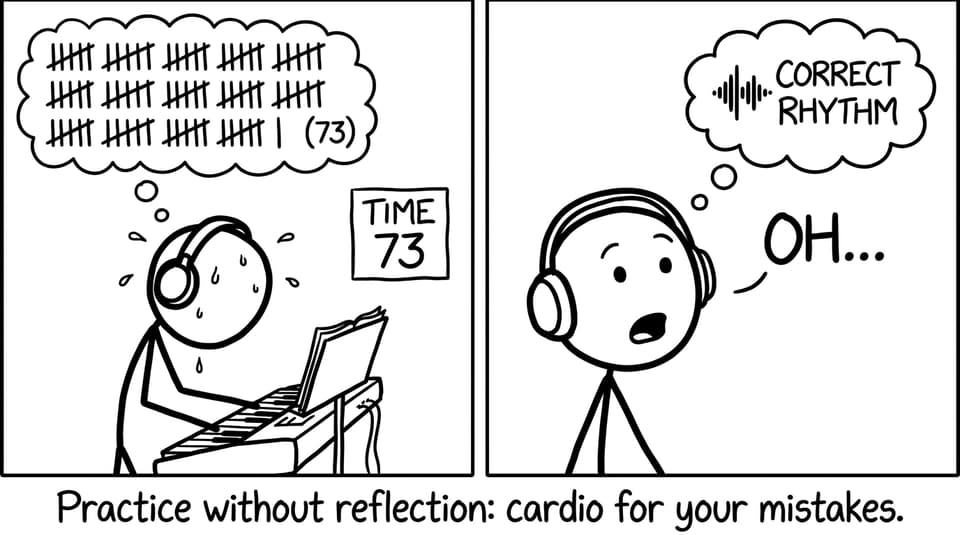
Hours can disappear in IB Music if practice is only repetition. You might play the same section again and again and still miss the root problem: inconsistent pulse, unclear subdivisions, unreliable memory cues.
How to avoid it: record short clips, listen once, write one correction, then re-record. Keep goals specific (tempo target, articulation consistency, dynamic shape). If your schedule is messy, Time Management Tips for IB Music Students gives a practical structure.
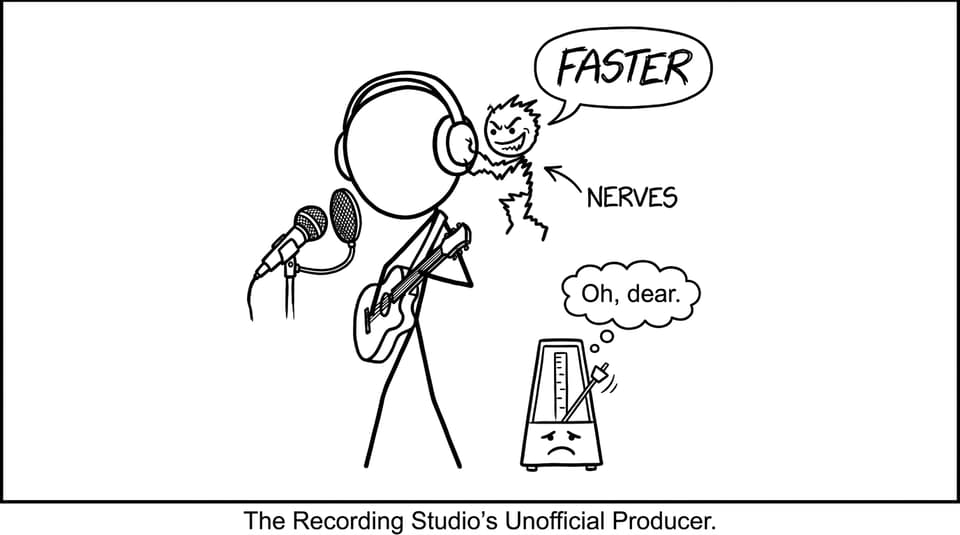
Letting nerves set the tempo
Nerves do not always look like shaking hands. In IB Music, nerves often sound like rushing. Tempos creep up, phrases shorten, and your musical plan collapses into survival.
How to avoid it: rehearse with constraints. Do full takes without stopping. Use a metronome to lock your “true tempo,” then practice starting calmly without a count-in panic. Build a pre-recording routine: two slow breaths, check posture, imagine the first phrase, then go.
Poor recording preparation
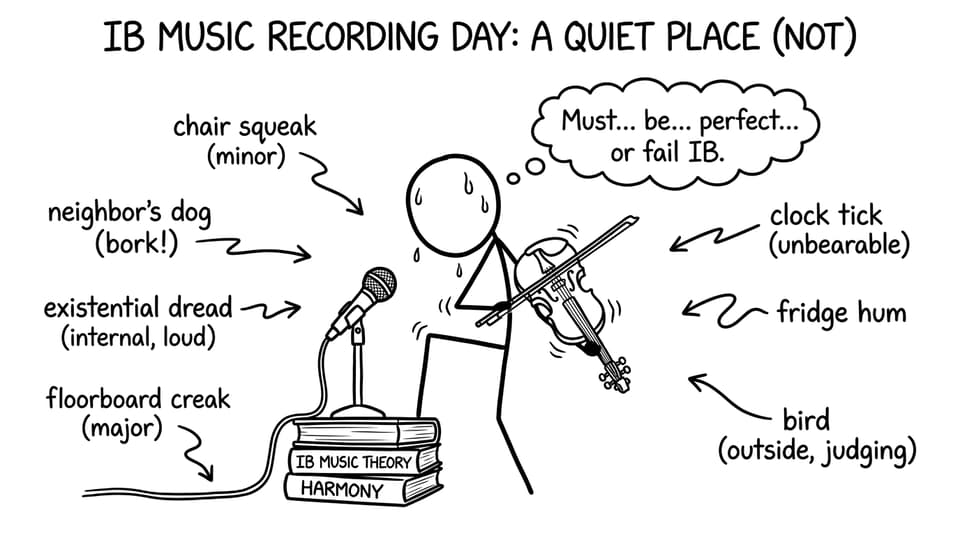
A great IB Music performance can be undermined by avoidable issues: distorted audio, unbalanced mic placement, noisy rooms, or files that do not save properly.
How to avoid it: do a technical rehearsal. Test the room, record 30 seconds, listen on headphones, adjust, then repeat. Make backups immediately. For a full setup guide, use Tips for Recording Your IB Music Performance.
How RevisionDojo helps you fix IB Music performance mistakes faster
Most students do not need more motivation. They need a tighter feedback loop.
RevisionDojo is built for that loop: use Study Notes to clarify context and terminology, Flashcards to retain key ideas, and the Questionbank to sharpen exam-style thinking for listening and reflection. When you get stuck, AI Chat helps you diagnose what to practice next. When coursework pressure competes with performance prep, the Grading tools and Coursework Library reduce uncertainty. Closer to exams, Predicted Papers and Mock Exams help you train under realistic time pressure, and Tutors can target your specific weak points.
To strengthen the listening side alongside performing, pair this post with How to Revise Effectively for IB Music Listening Exams.
Conclusion: make IB Music feel ordinary before it matters
The highest-scoring IB Music performances are not always the flashiest. They are the ones that sound prepared in a deeper way: sensible repertoire, expressive decisions, cultural awareness, calm tempo control, and a recording setup that does not distract.
If you want that kind of confidence, build a small routine you can repeat: record weekly, fix one issue at a time, and simulate performance conditions early. Then use RevisionDojo to tighten the rest of your preparation with Study Notes, Flashcards, the Questionbank, AI Chat, and exam-style practice tools that keep your progress measurable.
For more IB Music support, browse All IB Music posts on RevisionDojo and turn your next recording into something you actually want to press play on.