


If you have ever watched two students leave the same IB Global Politics lesson with totally different stress levels, you have already seen the SL vs HL decision in action. One is thinking, “I can manage this.” The other is thinking, “I can manage this… plus an extra layer of complexity that might secretly be the point.”
IB Global Politics is built to make you think like a careful observer of power: who has it, how they use it, and what happens when it is challenged. The question is not whether SL or HL is “better” in some abstract way. The real question is which version of IB Global Politics matches the kind of workload, depth, and exam performance you can sustain.
Quick checklist: SL or HL in IB Global Politics?
Use this as your fast filter before you overthink it:
-
You enjoy reading the news and asking “why,” not just “what happened.” (Both SL and HL.)
-
You can write structured arguments under time pressure. (Both SL and HL, but HL needs more stamina.)
-
You want deeper theory, more case study flexibility, and an extra assessment layer. (HL.)
-
You need a balanced schedule because you already have heavy HLs elsewhere. (Often SL.)
-
You are aiming for degrees like politics, international relations, law, or development and can handle extra demands. (Often HL.)
If you want a home base for everything, start with the IB Global Politics Resources hub on RevisionDojo.
IB Global Politics SL vs HL: the core content is the same
Here is the reassuring part: IB Global Politics SL and HL share the same four core units, which means you are not choosing between “learning global politics” and “not learning it.” You are choosing how far down the same staircase you go.
The four core areas are:
-
Power, sovereignty, and international relations
-
Human rights
-
Development
-
Peace and conflict
RevisionDojo’s IB Global Politics Revision Notes (SL/HL) are organized so you can revise these themes by concept and case study, not just by chapter headings.
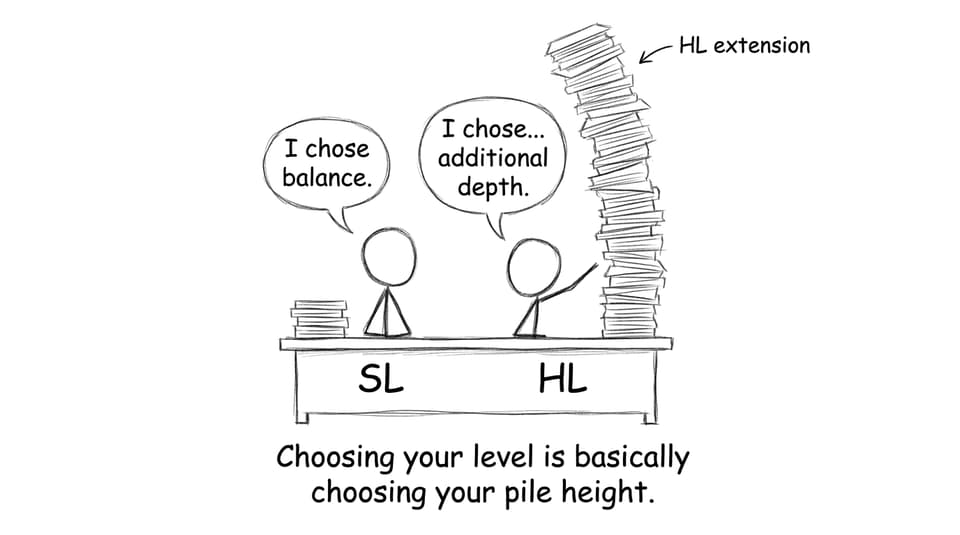
What HL adds in IB Global Politics
HL includes an extension: you study two global political challenges in more depth (from the IB list, which includes areas like environment, poverty, health, identity, security, and more). In practice, this changes the way you think.
At SL, you can often succeed with solid concept definitions plus well-chosen real-world examples.
At HL, you still need that foundation, but you are also expected to do more synthesis: linking the same concepts across broader global challenges, and evaluating competing explanations without turning your essay into a list.
A useful way to anchor Paper 2 prep (at either level) is RevisionDojo’s IB Global Politics Paper 2 Guide which helps you see how the themes connect.
Assessment differences that actually matter for exam prep
The easiest way to understand the SL vs HL gap in IB Global Politics is to think in terms of timed decision-making.
Paper 1 is shared (and often underestimated)
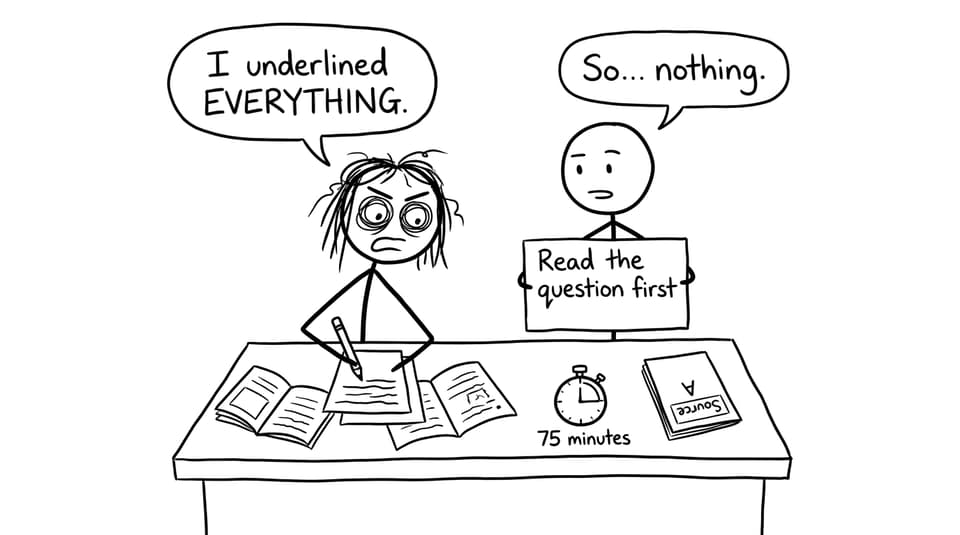
Paper 1 is compulsory for both levels and is source-based. Your score is shaped less by what you “know” and more by what you can do quickly: interpret sources, apply concepts, and answer the command term.
If Paper 1 feels slippery, train it explicitly using the IB Global Politics Paper 1 Guide Notes and then drill in the Paper 1 Guide Questionbank.
Paper 2: same skill, different stamina
Paper 2 is essay-based and draws on the core units. The major difference is not just “HL is harder.” It is that HL typically demands more writing endurance and more coverage, because the course includes the extension material.
To build that endurance without burning out, RevisionDojo’s approach works well: plan more essays than you fully write, then use targeted practice via the IB Global Politics Questionbank and feedback loops.
HL adds Paper 3 and an extra internal task
HL includes an additional exam paper focused on the extension topics, plus an extra internal requirement related to those global political challenges. In other words, HL is not just “more content.” It is another format to master, and another place to prove you can evaluate.
If you want to see how HL expectations are judged, the IB Global Politics HL IA: Global Political Challenges Grader makes the criteria feel concrete.
The engagement project: same idea, different depth
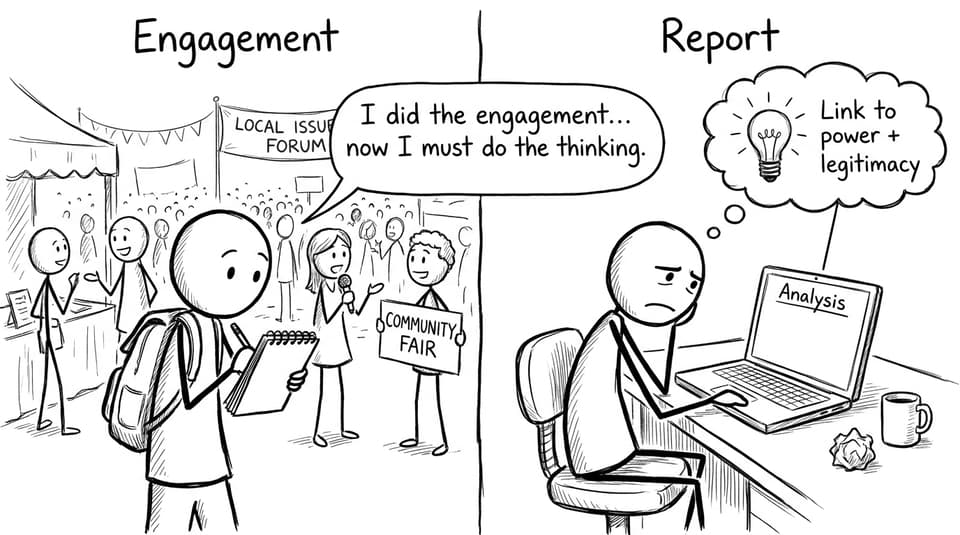
Both SL and HL students complete the engagement project: you engage with a real political issue and write a report that reflects and analyses what you learned.
What changes is the expected sophistication of the analysis. HL students are typically expected to build tighter conceptual links (power, legitimacy, sovereignty, human rights frameworks) and show clearer evaluation.
To avoid doing “a cool activity” that becomes “a weak report,” use RevisionDojo’s IB Global Politics IA Engagement Project Guide Notes and browse examples in the Global Politics IA: Engagement Activity Examples library.
So which should you choose for IB Global Politics?
Choose SL if you want breadth with control
SL is a strong choice if you want the concepts and case studies, but you also want time to protect other subjects. You can still score very highly in IB Global Politics SL by mastering Paper 1 skills, building a flexible case study bank, and writing clean Paper 2 essays with evaluation.
If you are balancing heavy HLs already, SL can be the subject where you stay consistent rather than heroic.
Choose HL if you want depth and can sustain the workload
HL is the better choice when you genuinely enjoy the subject and you want the extra challenge of the extension topics. It can also align well with university pathways, especially when you can show you handle complex analysis and long-form writing.
RevisionDojo’s IB Global Politics: Best IB Subjects for a Politics Degree is a helpful reality check if you are choosing for admissions and not just interest.
How to revise IB Global Politics (SL and HL) without drowning
A calm revision plan for IB Global Politics looks like this:
-
Use Study Notes to learn each concept cleanly (start at the Global Politics hub).
-
Use Flashcards to keep definitions and theorists active.
-
Use the AI Chat when you are stuck turning a case study into analysis.
-
Use the Grading tools to see what your paragraphs are missing.
-
Use Mock Exams and Predicted Papers to practise timing and stamina (for example, M26 Global Politics Predicted Paper 1 SL & HL).
For a full method, follow How to Revise Effectively for IB Global Politics.
The bottom line on IB Global Politics SL vs HL
Choosing between SL and HL in IB Global Politics is less about prestige and more about fit. SL rewards clarity, smart examples, and consistent exam technique. HL rewards those same things, but demands more depth, more evaluation, and more stamina across the extension.
Whichever level you choose, RevisionDojo is built to keep you moving: Questionbank for high-volume practice, Study Notes for clean understanding, Flashcards for recall, AI Chat for quick clarity, Grading tools for better writing, plus Predicted Papers and Mock Exams to make exam day feel familiar. Start at the IB Global Politics Resources page, pick your level, and build a revision system you can actually maintain.