
In global politics, peacekeeping refers to efforts aimed at maintaining or supporting peace in areas affected by conflict. In the IB Global Politics course, peacekeeping is examined as a tool used to manage conflict, protect civilians, and prevent the return of violence. It sits between war and peace, often operating in fragile environments where stability is uncertain.
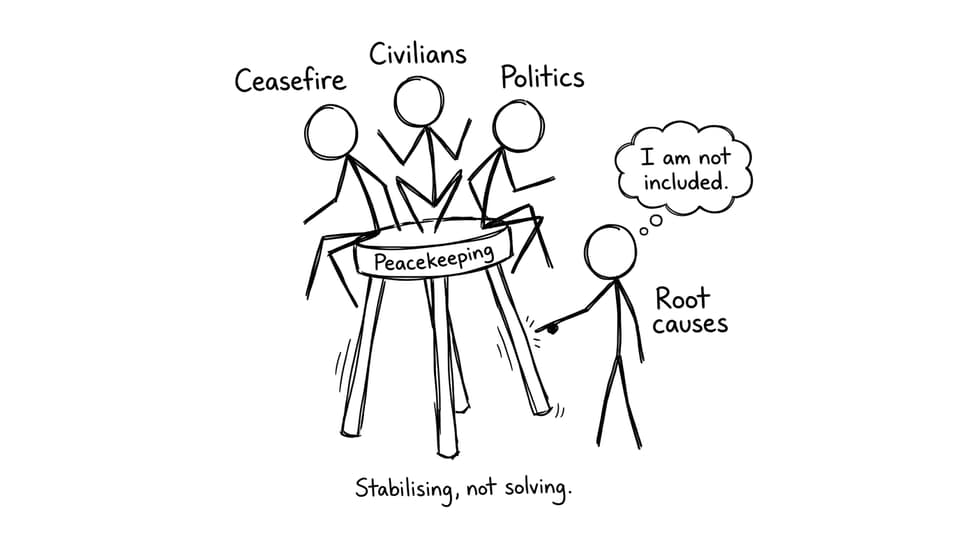
Peacekeeping is typically used after a ceasefire or peace agreement has been reached. Its main purpose is not to defeat an enemy, but to support conditions in which peace can be sustained. Peacekeeping missions may monitor ceasefires, separate former combatants, protect civilians, and support political processes. This makes peacekeeping a stabilising rather than coercive strategy.
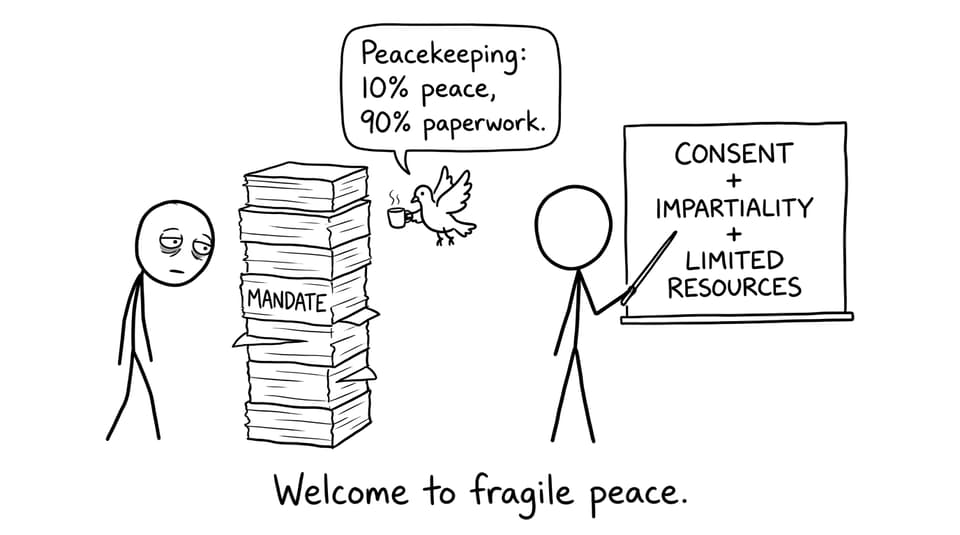
A defining feature of peacekeeping is consent. Traditional peacekeeping operates with the consent of the parties involved in the conflict. This distinguishes it from military intervention, which may occur without consent. Peacekeeping also emphasises impartiality, meaning peacekeepers are not supposed to take sides, even if one party has committed abuses. These principles are central to understanding peacekeeping’s legitimacy.
Peacekeeping plays an important role in preventing the recurrence of violence. By providing security and monitoring compliance with agreements, peacekeeping missions can reduce mistrust between former enemies. This can create space for political dialogue, reconstruction, and reconciliation. In IB Global Politics, peacekeeping is often linked to negative peace because it focuses on preventing renewed fighting.
Peacekeeping can also contribute to civilian protection and humanitarian access. In many conflicts, civilians are the most vulnerable. Peacekeeping forces may protect displaced populations, secure humanitarian corridors, and deter violence through presence alone. This humanitarian dimension strengthens the moral case for peacekeeping.
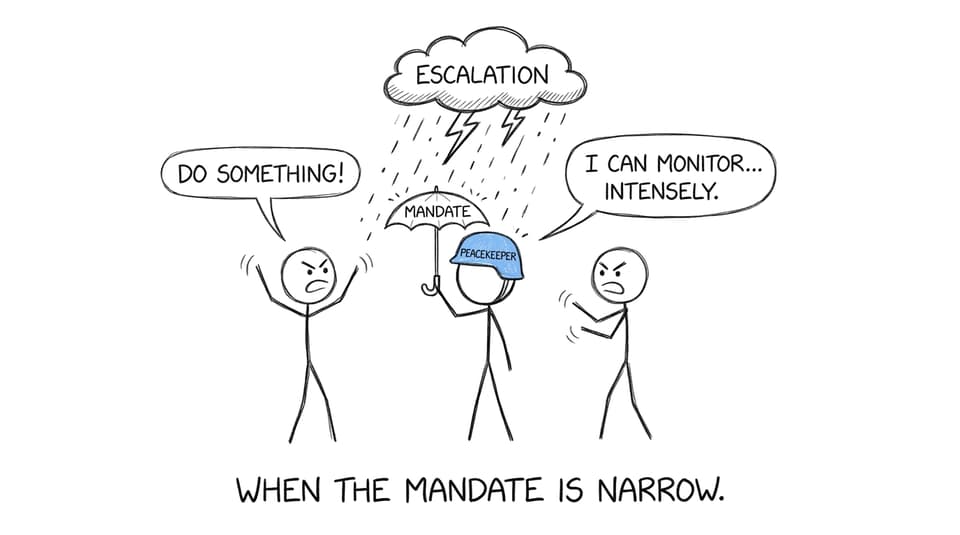
However, peacekeeping has significant limitations. It often operates with restricted mandates, limited resources, and unclear authority. Peacekeepers may be unable to act decisively when violence escalates, especially if doing so threatens impartiality or consent. These constraints can reduce effectiveness and damage credibility.
Another challenge is dependence on political solutions. Peacekeeping cannot create peace where no political agreement exists. If underlying grievances remain unresolved, peacekeeping may freeze conflict rather than resolve it. This highlights the limits of peacekeeping as a substitute for political settlement.