
The problem with “knowing everything” in IB Global Politics
In IB Global Politics, revision can feel like carrying a suitcase that keeps gaining weight. You add one more case study, one more definition, one more quote. And yet, when a fresh Paper 1 source lands in front of you, the suitcase doesn’t open. It just sits there.
Effective IB Global Politics revision is less about collecting information and more about building judgement: you need to define concepts clearly, apply them to unfamiliar material, and evaluate arguments under time pressure.
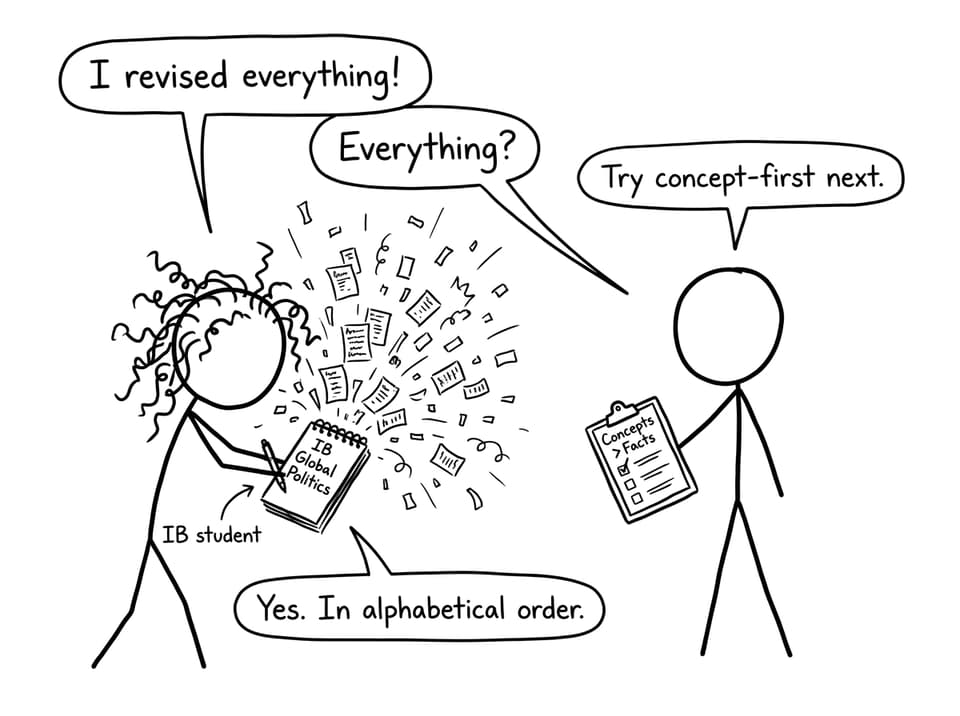
A quick checklist for IB Global Politics revision
Use this as your default loop:
-
Revise by concept (power, sovereignty, legitimacy, human rights, development, security), not just by unit
-
Practise active recall (short answers, mini-plans, explain-out-loud)
-
Train Paper 1 source skills weekly
-
For Paper 2, plan more essays than you fully write
-
Build “flexible” case studies you can reuse across prompts
-
Do timed practice to reduce panic and improve decision-making
For a strong starting point, keep your resources organised from the subject hub: IB Global Politics resources.
Revise IB Global Politics by concept, not by topic
Most students revise IB Global Politics like a map: separate countries, separate chapters, separate piles of notes. High scorers revise like a subway system: concepts are the lines, and case studies are stops you can switch between.
Try this structure:
-
Power: types, mechanisms, and who controls agendas (see Power in IB Global Politics)
-
Sovereignty: internal vs external, limits, and modern challenges (use What is sovereignty in global politics?)
-
Theoretical lenses: realism, liberalism, constructivism to frame evaluation (review Theoretical foundations in IB Global Politics)
This makes your answers adaptable. One case study can support arguments about legitimacy, human rights, development, and security depending on the question.
Active revision: make your brain do the work
Passive rereading is comforting. It also lies to you.
In IB Global Politics, your exam performance improves fastest when you force retrieval:
-
Turn notes into short “define + example + limitation” drills
-
Write 3-sentence explanations of concepts without looking
-
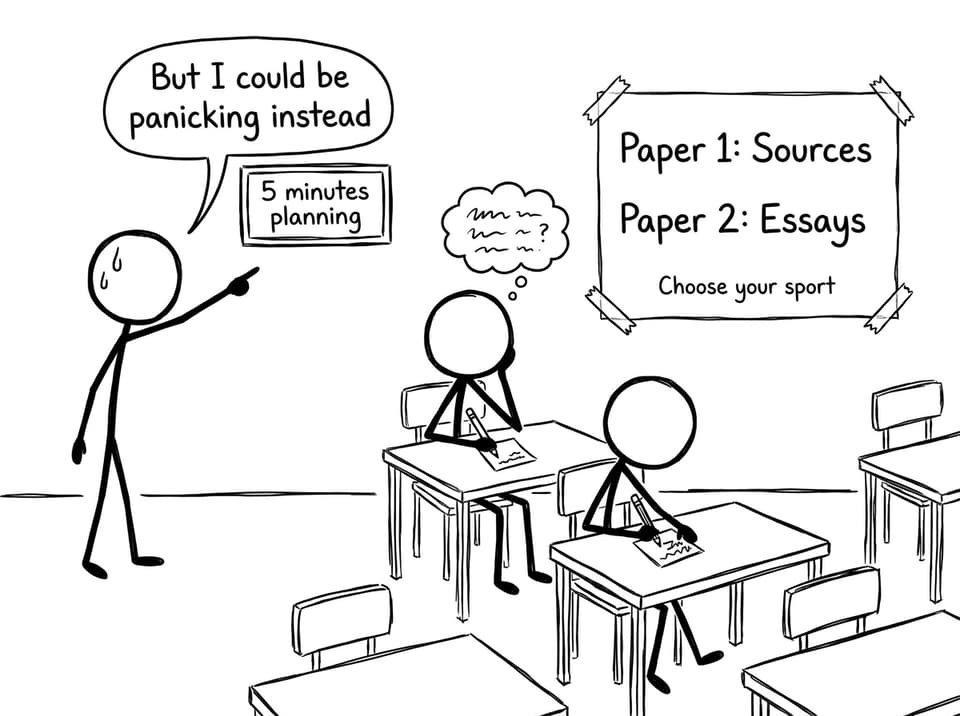
Create 5-minute essay plans (thesis + 2 arguments + counterclaim)
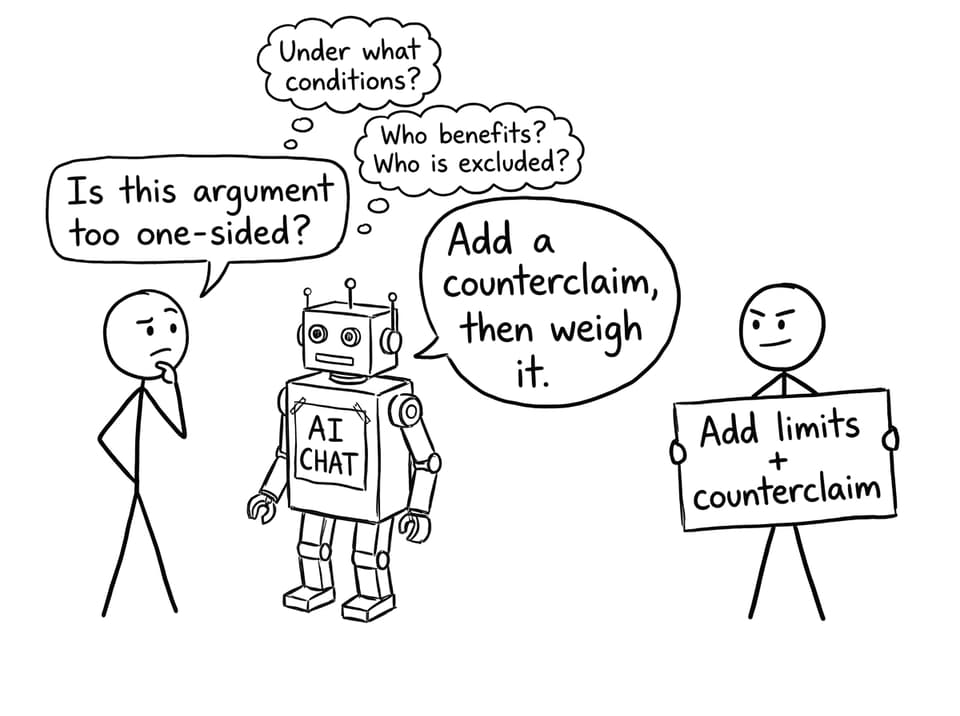
On RevisionDojo, this is where the Study Notes, Flashcards, and AI Chat compound: read a section, test yourself, then ask AI Chat to challenge your counterclaim or strengthen evaluation.
If you want targeted practice, drill by syllabus area using the IB Global Politics Questionbank.
Paper 1 and Paper 2: revise the skills, not just the content
Paper 1: source analysis is a weekly workout
Paper 1 rewards calm thinking with unfamiliar sources. Build the habit:
-
Identify the concept inside the source (power, legitimacy, rights, development, conflict)
-
Spot perspective and bias (who benefits, who is excluded)
-
Match your response to the command term
Use the guide to practise with the right expectations: Paper 1 guide notes and then reinforce it with Paper 1 Guide Questionbank.
Paper 2: plan faster than you write
For Paper 2, quantity of planning beats quantity of full essays.
-
Build a bank of introductions (definitions + debate + thesis)
-
Practise paragraph spines: claimtoconcepttoevidencetoevaluation
-
Add a counterclaim you can genuinely weigh
If structure is where you leak marks, use: Common mistakes in IB Global Politics essays and then model strong responses with Paper 2 guide notes.
Evaluation: the habit that moves you up markbands
In IB Global Politics, evaluation isn’t extra. It is the answer.
Train evaluation by adding one sentence to every paragraph:
-
“This argument is stronger when…”
-
“A key limitation is…”
-
“However, from a different stakeholder perspective…”
RevisionDojo’s Grading tools can help you spot where you describe instead of evaluate, and the Tutors option is there when you need human feedback on argument quality.
A final revision plan that actually feels like progress
If your IB Global Politics revision has felt heavy, make it lighter by making it sharper. Build around concepts, practise active recall, and treat Paper 1 and Paper 2 like skills you train, not content you collect.
When you want that whole system in one place, RevisionDojo connects the loop: Questionbank, Study Notes, Flashcards, AI Chat, Grading tools, Predicted Papers, Mock Exams, Coursework Library, and Tutors. Start from the IB Global Politics resources hub and run the checklist until your confidence comes from evidence, not hope.