
In IB Global Politics, Paper 2 can feel like a quiet trap: you know the content, you’ve revised your case studies, and yet the essay still slips into summary. Not because you’re missing knowledge, but because Paper 2 rewards shape as much as substance. Structure turns what you know into marks.
What Paper 2 is really testing in IB Global Politics
Paper 2 in IB Global Politics is a theoretical, evaluative essay. The examiner isn’t asking, “Do you know what happened?” They’re asking, “Can you judge why it matters, using concepts, evidence, and counterarguments?”
If you need a quick refresher on the paper itself, start with the IB Global Politics Paper 2 Guide and the more detailed Paper 2 Guide Notes.
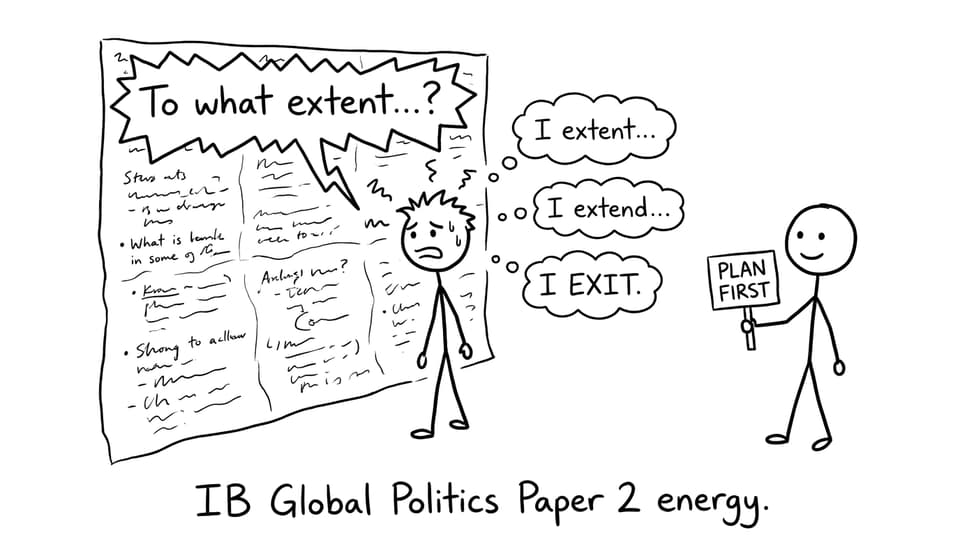
The 60-second checklist (before you write)
Use this mini-plan every time you practise IB Global Politics Paper 2:
-
Underline the command term (evaluate, discuss, to what extent)
-
Circle the core concept (power, sovereignty, legitimacy, human rights, development)
-
Write a one-sentence thesis that answers the question
-
Choose 2-3 case studies you can actually evaluate (not just describe)
-
Decide your paragraph route: claim/counterclaim or alternating
For timed practice, pull prompts from the Paper 2 Questionbank so your planning matches exam-style wording.
A high-scoring IB Global Politics Paper 2 structure
Introduction: narrow, defined, and argumentative
Your introduction in IB Global Politics should do four things quickly:
-
Define any key term that could be interpreted in multiple ways
-
Set the debate in one line (what’s contested here?)
-
State your judgement (your thesis)
-
Preview your route (2-3 main reasons)
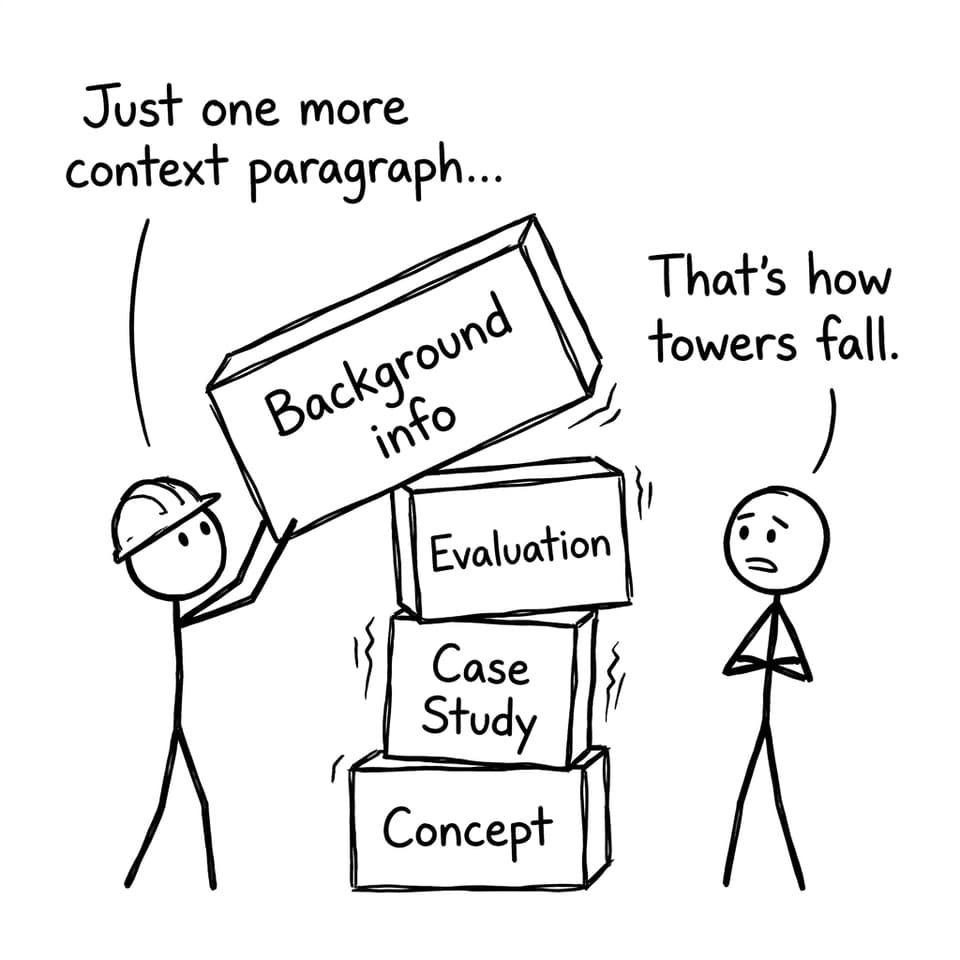
Avoid long history or scene-setting. Paper 2 isn’t impressed by background; it’s impressed by direction.
Body paragraphs: concept first, case study second, evaluation always
A reliable paragraph pattern for IB Global Politics Paper 2:
-
Claim: a topic sentence that answers the question
-
Concept/theory: explain the relevant idea (legitimacy, sovereignty, structural violence, global governance)
-
Case study evidence: a specific example used as proof
-
Evaluation: limits, trade-offs, counter-perspectives, or conditions
-
Link back: one sentence tying directly to the question
To strengthen your conceptual accuracy, use RevisionDojo’s topic notes like External Challenges to State Legitimacy or Competing Global Perspectives on Human Rights.
Case studies: stop narrating, start proving
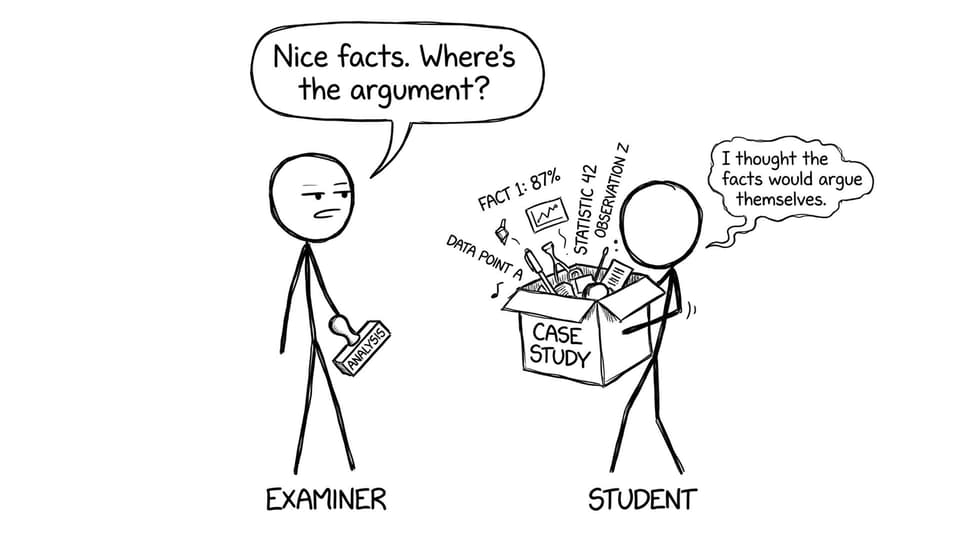
In IB Global Politics, case studies are not a “real-world story break.” They are evidence you use to test a claim.
A good self-check: if your case study paragraph could be copied into Wikipedia with no change, it’s descriptive. Add the “so what?”: what does the case show about the concept, and what does it not show?
Common mistakes (and quick fixes)
-
Mistake: Writing two mini-essays (one per case study).
Fix: Build paragraphs around claims and use case studies as supporting evidence. -
Mistake: No evaluation.
Fix: Add one “However…” sentence in every paragraph, then judge it. -
Mistake: Too many examples, too shallow.
Fix: Use fewer case studies, but add impact, limitations, and actor perspectives.
For broader essay technique across the course, read How to Write a Top-Scoring IB Global Politics Essay.
Train your structure with RevisionDojo
The fastest way to improve IB Global Politics Paper 2 essays is to practise structure under time pressure, then get feedback quickly. Use RevisionDojo’s Questionbank to generate exam-style prompts, Study Notes to tighten concepts, and Flashcards to make definitions automatic. Then use AI Chat and the Grading tools to diagnose where your writing becomes descriptive.
When your argument, case studies, and evaluation line up, IB Global Politics Paper 2 stops feeling like a gamble and starts feeling like a method. Try one timed plan today using the IB Global Politics Resources hub, and build from there.