
A quieter way to understand IB History
The night before a timed practice, IB History can feel like a bookshelf collapsing in slow motion. Dates slide out. Leaders blur together. And the worst fear arrives: What if the exam asks the one angle I didn’t revise?
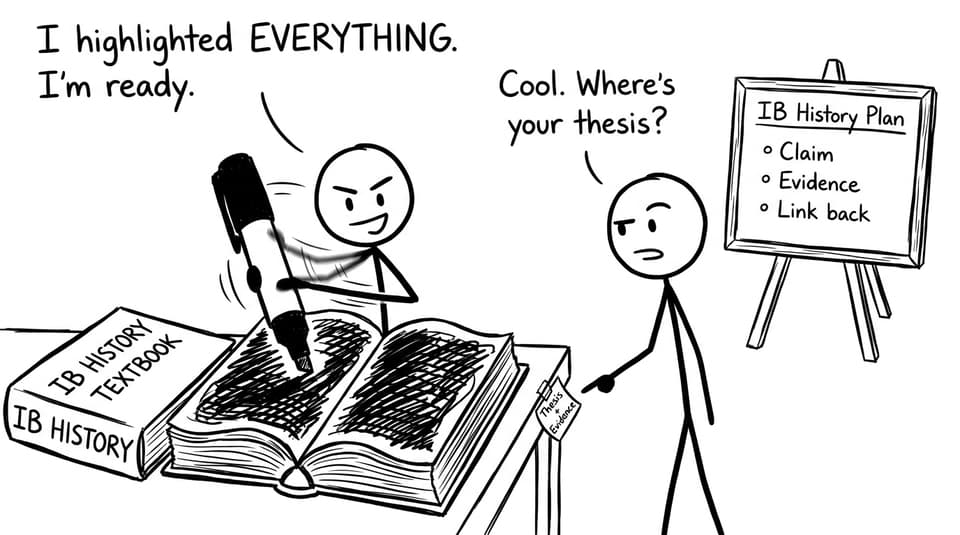
But the secret of IB History is that it’s not a memory contest. It’s a thinking contest. Examiners reward students who can choose relevant knowledge, handle sources responsibly, and build an argument that stays glued to the question. Once you see the course that way, it becomes surprisingly learnable.
If you want one clean starting point, keep the IB History Resources hub open as you read. It’s the simplest map for IB History when your brain wants a system.
IB History, in one checklist
Use this as your “pre-flight check” for IB History revision:
-
Know what each paper actually rewards (sources vs essays vs depth).
-
Translate the command term before you write.
-
Plan in bullet points (thesis + 2-3 arguments + evidence).
-
Practice under time pressure weekly.
-
Review like an examiner: why did marks drop?
For a deeper exam-focused breakdown, see IB History exam prep and how to ace Paper 1 and Paper 2.
What IB History actually is (and why it’s different)
At its best, IB History teaches you to hold two ideas at once: that events have causes you can trace, and that interpretations depend on perspective. You’re not just learning what happened. You’re learning how historians decide what counts as evidence, which factors matter most, and how to defend a judgement.
That’s why the course feels “bigger” than many subjects. It pulls from politics, economics, ideology, society, and geography, then asks you to explain change over time with clarity.
If you ever feel like you’re writing good essays but not getting the marks, it’s often because you’re writing topic essays instead of question answers. This is explained sharply in why IB History essays are different.
The core components of IB History (SL and HL)
Paper 1: Source-based thinking
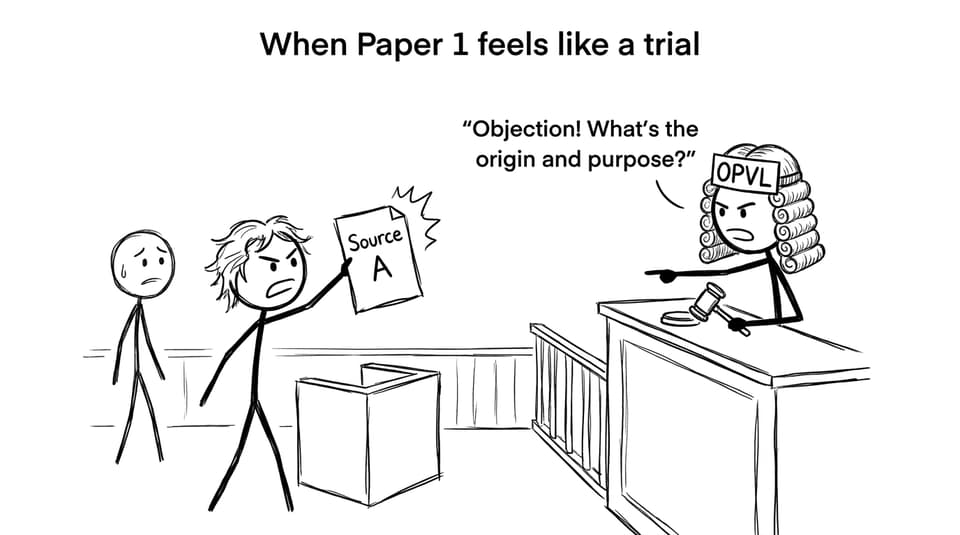
Paper 1 is where IB History becomes a discipline. You’re given sources and asked to analyze them, compare them, and make careful inferences. The trap is treating sources like decoration for what you already believe.
A better approach is to treat every source as a claim with limits. Ask: Who produced it, for what audience, and what would they not say?
When you practice, use a tight OPVL habit and get feedback quickly. RevisionDojo’s AI Chat can act like a skeptical historian: paste your analysis and ask what you assumed without proving.
Paper 2: Essays that stay on the rails
Paper 2 essays reward sustained argument. That means you need a clear thesis, paragraphs that prove it, and evaluation that runs through the essay (not just a last-minute “however”).
If your essays drift into narrative, the fix is usually planning, not knowledge. Build a repeatable structure and reuse it until it becomes automatic. This is exactly what IB History essay structure and planning trains you to do.
Paper 3 (HL): Depth without drowning
HL students face Paper 3, where depth matters more. The danger is revising like the exam wants “everything.” It doesn’t. It wants thematic control: causation, change and continuity, significance, and perspective.
If Paper 3 feels like a monster, use Mastering IB History Paper 3 to turn it into a set of repeatable moves.
Internal Assessment (IA): An investigation, not a timeline
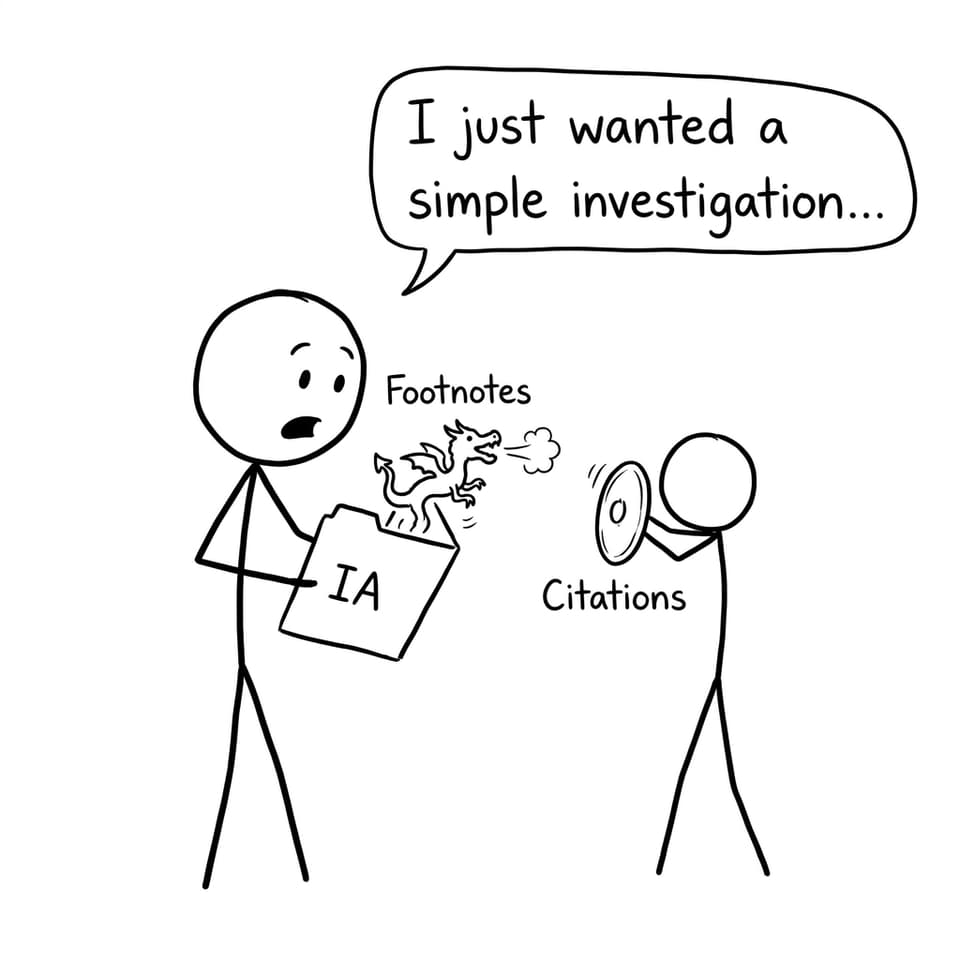
The History IA is where many students accidentally write a miniature textbook chapter. IB History rewards investigation: a focused question, deliberate source evaluation, and an argument shaped by evidence.
A fast way to improve is to study mistakes before you draft. Start with common IB History IA mistakes and, if you’re also writing the EE, keep the IB History Extended Essay guide nearby for structure and criteria.
How to revise IB History without burning out
Most students try to feel prepared by expanding notes. But IB History preparation is closer to training than collecting.
Here’s a simple weekly loop that works:
-
Study Notes to patch a weak subtopic fast.
-
Flashcards for names, policies, definitions, and case-study evidence.
-
Questionbank practice to convert knowledge into marks.
-
Grading tools to see exactly what your argument is missing.
-
Mock Exams to train pacing and stamina.
-
Predicted Papers to rehearse the exam-style rhythm with realistic pressure.
If you want a practical routine built for HL, use best study techniques for IB History HL. And when you’re ready to simulate the real thing, IB History predicted papers are the cleanest way to practice timing and decision-making.
Closing: make IB History predictable
IB History only feels unpredictable when revision is built on coverage. The moment you build a loop of question, plan, write, review, and repair, the subject becomes steadier. Not easier, but clearer. And clarity is what turns effort into marks.
If you want that loop in one place, RevisionDojo is built for it: Study Notes to learn fast, Flashcards to remember cleanly, Questionbank to practise smartly, AI Chat and Grading tools to improve like an examiner, plus Mock Exams and Predicted Papers to make exam day feel familiar. Start at the IB History Resources hub, pick one paper skill, and run one focused session today. That’s how IB History starts to click.