


Photography can feel like the safest medium in the studio: you can make 200 images in an afternoon, pick the best three, and call it “productive.”
But IB Visual Arts doesn’t reward volume. It rewards a trail of decisions. The students who score well with photography are rarely the ones with the fanciest camera. They’re the ones who can explain why an image exists, what changed between attempts, and how research and reflection pushed the work forward.
If you’re building photography projects for IB Visual Arts, this is your advantage: the medium is fast, flexible, and deeply contemporary. You can iterate quickly, then document that growth like evidence.
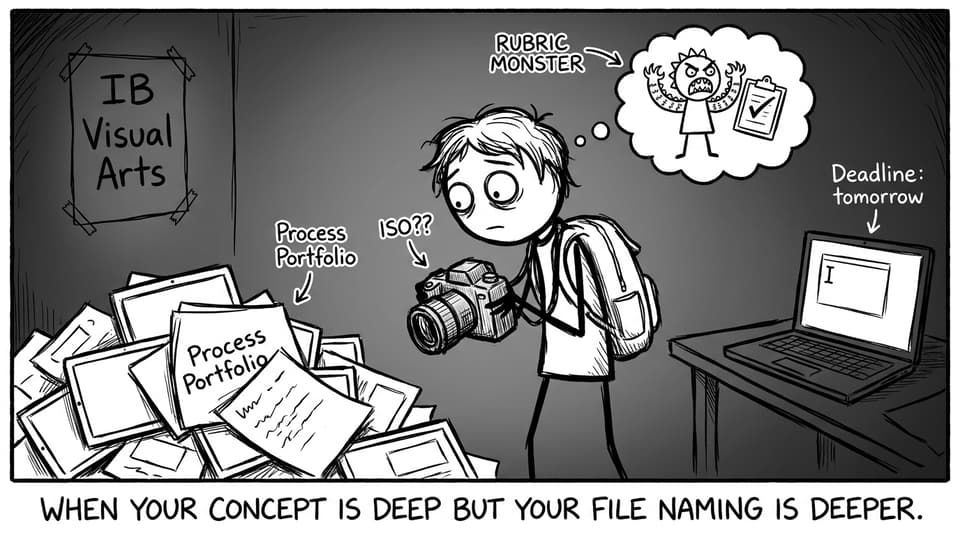
A quick checklist for examiner-ready IB Visual Arts photography
Use this as your weekly reset for IB Visual Arts photography:
-
One clear theme statement (1 sentence)
-
2-3 technical experiments (lighting, lens choice, shutter speed, editing workflow)
-
Artist references that change what you do next
-
Process Portfolio notes that explain intention and adjustment
-
A shortlist of “resolved” images you could realistically exhibit
For course foundations, keep What is IB Visual Arts? open while you plan.
Photography project ideas that work in IB Visual Arts
Great IB Visual Arts photography projects have a simple engine: a question you can test.
Identity through constructed portraits
Instead of “self-portraits,” design a controlled system: same pose, different costume, different location, different lighting temperature. Your concept becomes visible through repetition and deviation.
To strengthen your justification and writing, connect the images to how examiners read intention in the rubric using IB Visual Arts Assessment Criteria Explained Simply.
Memory and nostalgia using archives
Work with family photos, receipts, maps, or voice notes. Re-photograph them in new contexts (on skin, projected onto walls, placed back in the original location). The “project” becomes time itself.
Theme support: Best IB Visual Arts Themes for Process Portfolios.
Environmental photography with a local angle
The strongest environmental series usually starts small: one river, one bus route, one construction site, one disappearing view. Pair documentary clarity with an intentional visual choice (harsh flash, overexposure, tight cropping) so it becomes art, not reportage.
Urban life: isolation vs connection
Shoot the same public space at different times, then compare how bodies relate to architecture. Your reflections can focus on framing decisions and what they imply.
Abstract photography as material study
Treat abstraction as research: reflections, motion blur, macro textures, diffraction through plastic or glass. In IB Visual Arts, abstraction scores well when you can show controlled testing, not random effects.
For documenting this clearly, use How to Show Experimentation in Your IB Visual Arts Process Portfolio.
Mixed media with photography (physical or digital)
Print your photos and intervene: stitch, sand, paint, collage, re-scan. Or build a digital workflow where each layer has a reason. The key is to annotate what each intervention does to meaning.
Tips to make IB Visual Arts photography look like “evidence”
Write settings like a scientist, not a tourist
Add short technical notes (ISO, aperture, shutter speed) only when they support your intention: “I reduced depth of field to isolate the subject because the theme is disconnection.” That sentence is IB Visual Arts gold.
Build a repeatable experiment
Shoot three versions of the same idea with one controlled change (lighting direction, focal length, editing contrast curve). Then reflect on which version communicates best and why.
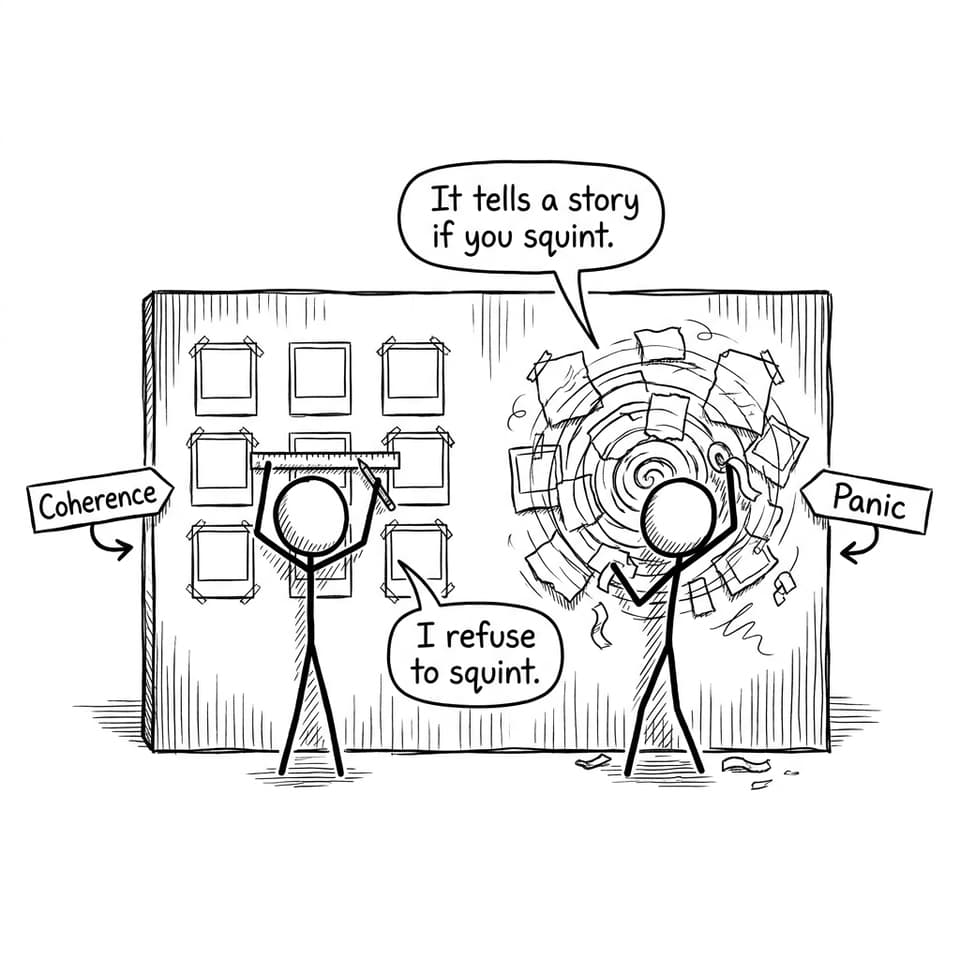
Curate early, not at the end
Exhibition success often comes down to selection and coherence. If you’re unsure what that looks like, read IB Visual Arts Exhibition: How to Succeed at SL vs HL and How to Smartly Plan and Execute Your Visual Arts Exhibition.
How RevisionDojo helps you turn photos into marks
In IB Visual Arts, the gap between “nice photo” and “high-scoring work” is usually structure.
RevisionDojo helps you keep that structure:
-
Use Study Notes to clarify requirements and markband language
-
Use Flashcards to remember key terms for analysis and reflection: Flashcards
-
Use AI Chat to sharpen artist links and reflection phrasing
-
Use Grading tools to stress-test your writing for clarity and criteria alignment
-
Use the Coursework Library to learn from high-quality samples: IB Visual Arts Examples
-
Stay consistent with the larger study loop in How to Study IB Visual Arts Effectively
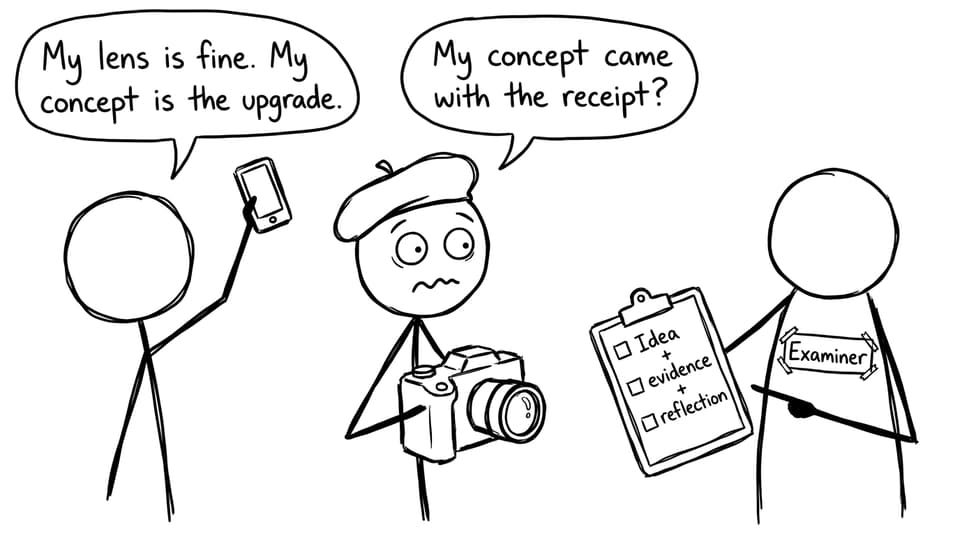
Final thought: make your IB Visual Arts photography a story, not a folder
The best IB Visual Arts photography projects don’t try to prove you’re a photographer. They prove you’re an artist who can think, test, and refine. Pick one theme you can return to, build small experiments you can repeat, and document your decisions so an examiner can follow the logic.
When you’re ready to turn ideas into an examiner-readable portfolio, use RevisionDojo as your control panel: Questionbank, Study Notes, Flashcards, AI Chat, Grading tools, Predicted Papers, Mock Exams, the Coursework Library, and Tutors built for IB students who want calm structure and higher marks.


