
Starting the IB Diploma Programme can feel like being handed six maps at once. Each subject has its own language, skills, and deadlines. An IB cheat sheet gives you a one-page overview of each subject, showing where you are, what matters, and what to do next.
It does not replace your subject guide, teacher, or notes. This template helps new DP1 students organize that information. Complete one copy per subject, then use RevisionDojo to move from understanding a topic to practising it.
What the IB cheat sheet includes
Your subject overview needs nine fields:
- Subject name and level
- Big-picture purpose
- Current unit or topic
- Main assessment components
- Essential skills and command terms
- Current confidence rating
- One specific weak point
- Next study action
- RevisionDojo resource to use
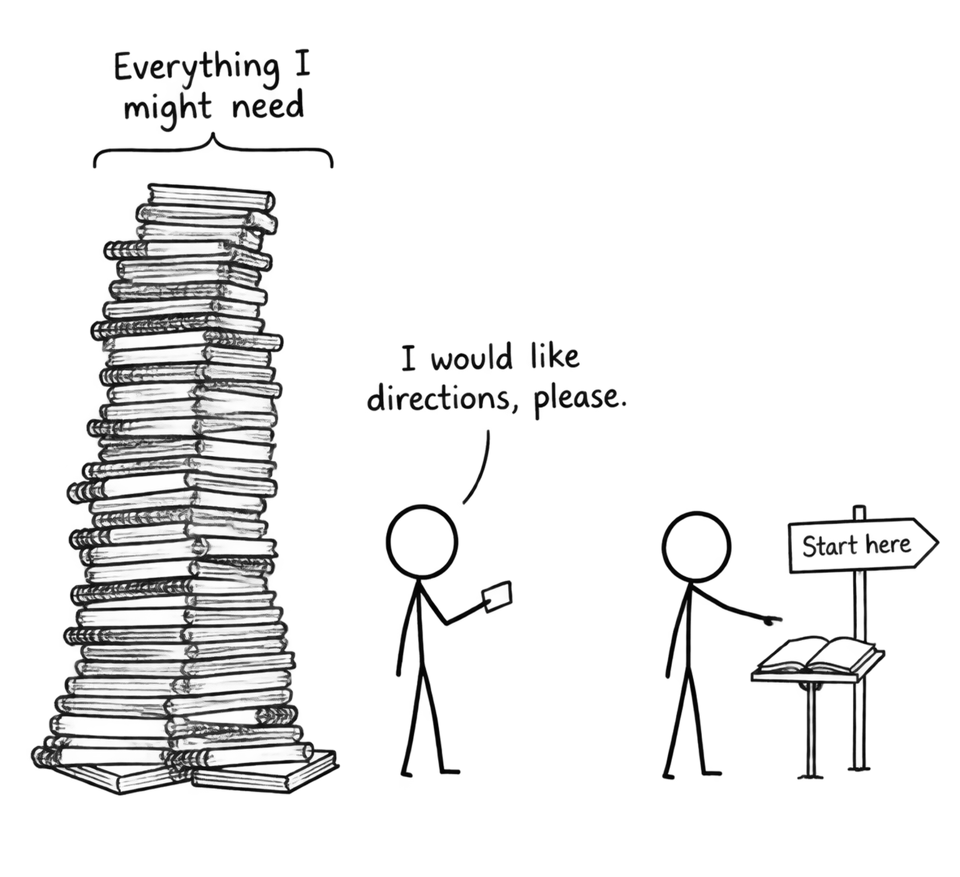
A useful overview reduces complexity rather than recreating your course on a smaller page. Copy these fields into a document or notebook to create your template.
For context, begin with this IB Diploma preparation guide. Subject combinations can vary, so confirm your programme with your school coordinator.
How to fill in your IB template
Resist the temptation to complete every box perfectly. Aim to spend 10-15 minutes per subject on your first version. Its job is to make your current understanding visible.
Start with the subject and level
Write the full subject title and whether you study it at Higher Level or Standard Level. Content depth and assessment requirements can differ, so check your current documentation rather than copying an older student. RevisionDojo’s guide to reading an IB subject guide explains where to begin.
Summarize the purpose and current unit
Complete this sentence:
This subject asks me to learn how to...
Biology, for example, involves understanding living systems, interpreting evidence, and communicating scientific reasoning, not simply remembering terminology.
Next, record the unit currently being taught. Add two or three subtopics if they clarify its boundaries. You should be able to glance at the sheet and see where today’s lesson belongs.
Map assessments, skills, and command terms
Use your current subject guide and teacher’s instructions to list the main assessment components. Record what each tests; keep detailed rules and weightings in your reference materials. Requirements can change between course versions and examination sessions.
Then identify what you must do with your knowledge: evaluate evidence, construct arguments, calculate values, or compare literary choices. Add three to five recurring command terms. RevisionDojo’s Questionbank helps you examine those instructions in context, while Grading tools and AI Chat can help you investigate incomplete answers.
Keep a brief source note beside assessment information, such as the guide title or the date of your teacher’s explanation. If two documents appear to disagree, mark the field for clarification instead of guessing. Your overview should distinguish confirmed requirements from questions you still need to ask. That small habit keeps uncertainty visible before it becomes a planning mistake.
Rate confidence honestly
Rate your understanding of the current unit from 1 to 5:
- 1: I cannot explain the central idea.
- 2: I recognize the material but need support.
- 3: I understand the basics but make application errors.
- 4: I answer most unfamiliar questions independently.
- 5: I explain, apply, and connect ideas confidently.
This is a planning signal, not a grade. Base it on work you can complete without support, not how familiar your notes look.
Choose one weak point and next action
“Revise Biology” is too broad. “Complete five data-analysis questions and correct each error” gives you somewhere to begin.
Choose one weak point and attach an action achievable within a study session. The guide to studying outside class in DP1 can help you build a sustainable routine.
Give the action a finish line. For an essay subject, that might mean writing one analytical paragraph and checking whether each claim has supporting evidence. For mathematics, it might mean solving three unfamiliar problems and explaining every correction. A defined result makes the session easier to evaluate: you can see what changed, rather than simply recording that you studied.
Match the action to a resource
Choose according to the problem:
- Study Notes: rebuild understanding.
- Flashcards: practise retrieving facts and relationships.
- Questionbank: apply knowledge.
- AI Chat: question a confusing explanation.
- Grading tools: analyse a written response.
- Coursework Library: explore qualities of academic work.
- Tutors: seek individual guidance.
- Predicted Papers and Mock Exams: undertake broader timed practice when appropriate.
Rereading can feel productive when the actual weakness is application. RevisionDojo’s DP1 starting guide helps you combine resources without using every tool in every session.
A completed IB cheat sheet example
This hypothetical Biology HL overview illustrates the template. Match terminology and assessment details to your school’s course version.
| Template field | Completed example |
|---|---|
| Subject and level | Biology HL |
| Big-picture purpose | Explain biological systems, connect processes, interpret evidence, and communicate scientific reasoning |
| Current unit | Cells, including structure, membranes, and transport |
| Assessment map | Written examination tasks test knowledge, application, and data analysis; investigative work requires scientific reasoning |
| Skills and command terms | Explain, compare, evaluate, annotate, calculate |
| Confidence | 3 out of 5 |
| One weak point | Explaining how membrane structure relates to transport |
| Next study action | Review the model, close the notes, draw it from memory, then complete five application questions |
| RevisionDojo resource | Study Notes, Flashcards, and a short Questionbank set |
Definitions, diagrams, and deadlines belong in your wider notes and planner. This sheet stores the decisions that help you navigate them. For subject-specific inspiration, explore how IB Biology cheat sheets reduce overload.
Use the sheet throughout DP1
Review each subject sheet weekly. Update the current unit, confidence rating, weak point, and next action; other fields usually change less often.
A simple routine is enough:
- Open your overviews before planning the week.
- Identify the two lowest confidence ratings.
- Choose one achievable action for each.
- Schedule those actions.
- Check progress through retrieval or questions.
- Update the sheets using evidence.
Pairing Study Notes, Flashcards, and Questionbank practice checks understanding, recall, and application. If you can recognize an explanation but cannot solve a question, your next action should address that gap.
Treat the lowest ratings as a starting point, not an automatic priority order. An approaching assessment or a concept needed for next week’s lessons may deserve attention first. If a weakness remains after several sessions, change your approach or ask your teacher for help. Repeating the same action without checking its effect can turn a useful routine into busywork.
Keep the overview separate from your task list. One shows direction; the other determines timing. This guide to using a planner for the IB workload explains the relationship.
Avoid the mistakes that create more work
Adding too much turns an overview into another dense document. Copying someone else’s sheet can introduce outdated or mismatched requirements. Recording weaknesses without actions leaves you aware of problems but unsure how to address them.
Finally, avoid changing confidence scores based on mood. Use classwork, retrieval, questions, and teacher feedback. If several subjects feel difficult, this guide to studying when you feel behind can help you prioritize calmly.
Turn six subjects into six clear maps
DP1 becomes more manageable when you can see the shape of the workload. Your IB cheat sheet provides that shape; RevisionDojo supplies resources for acting on it.
Start with one subject and one honest weak point. Choose the relevant explanation, practice, or feedback tool, then schedule a specific action. A useful study system does not need to look impressive. It needs to make your next step clear.