


Introduction: the moment your group goes quiet
It usually happens five minutes into the first planning meeting. Someone says, “So… who’s directing?” and the room suddenly feels like a casting call. Titles sound glamorous. Responsibilities sound heavy. And How to Select Roles (Director, Editor, Cinematographer) in IB Film Group Projects becomes less of a logistical question and more of a trust exercise.
Here’s the comforting truth: examiners don’t reward the loudest person with the “best” role. They reward clarity, intention, collaboration, and reflection. If you can select roles calmly, document your reasoning, and show growth, you build marks into your process.
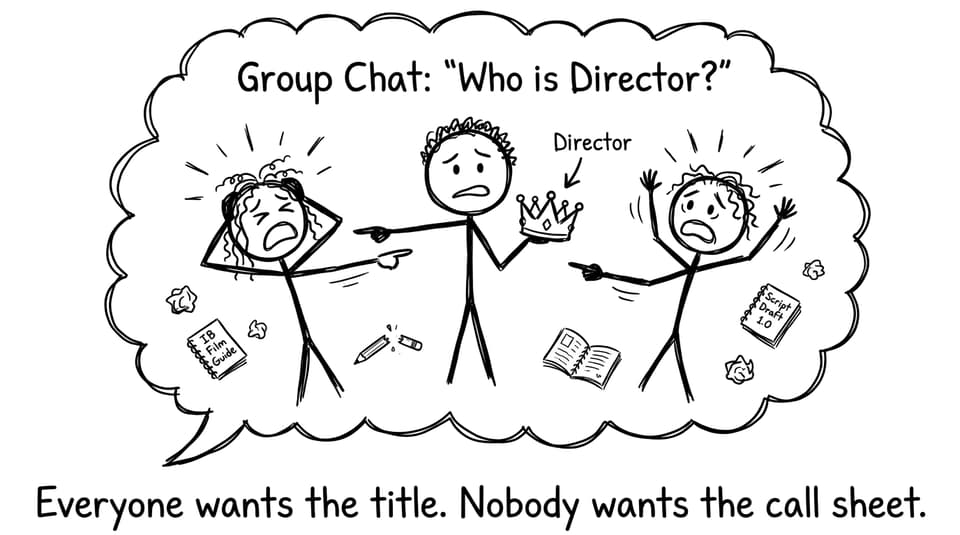
Quick checklist: a fair way to pick roles fast
Use this before anyone claims a title:
-
List strengths (editing rhythm, visual composition, leadership, organization).
-
List constraints (time, access to gear, who can stay after school, who can edit at home).
-
Assign one primary role per person, plus one secondary support duty.
-
Agree on decision rules (who has final say on shot list? on the final cut?).
-
Write it down for your portfolio evidence.
If you want a bigger picture of what the course expects, keep the IB Film syllabus guide open while you plan.
What each role really means (and what examiners notice)
When students search How to Select Roles (Director, Editor, Cinematographer) in IB Film Group Projects, they often focus on the label. Instead, focus on the “proof” each role can generate.
Director: the keeper of intention
A strong director translates theme into choices: blocking, performance tone, pacing targets, and visual motifs. Examiners notice directors who can explain why a scene is staged a certain way, not just that it “looked cool.” Directors also keep collaboration healthy: they invite solutions, then decide quickly.
Planning help matters here. Use the workflow ideas in How to Prepare for Your IB Film Practical Production Project to make your directing look deliberate from day one.
Editor: the architect of meaning
Editors create the final argument of the film. They control rhythm, emphasis, and what the audience learns first. In portfolios, editors score when they can describe alternatives they tested: different cut lengths, different ordering, different sound bridges.
If your group needs guidance on post-production priorities, Tips for Recording and Editing Your IB Film Project is the kind of practical checklist that saves entire weekends.
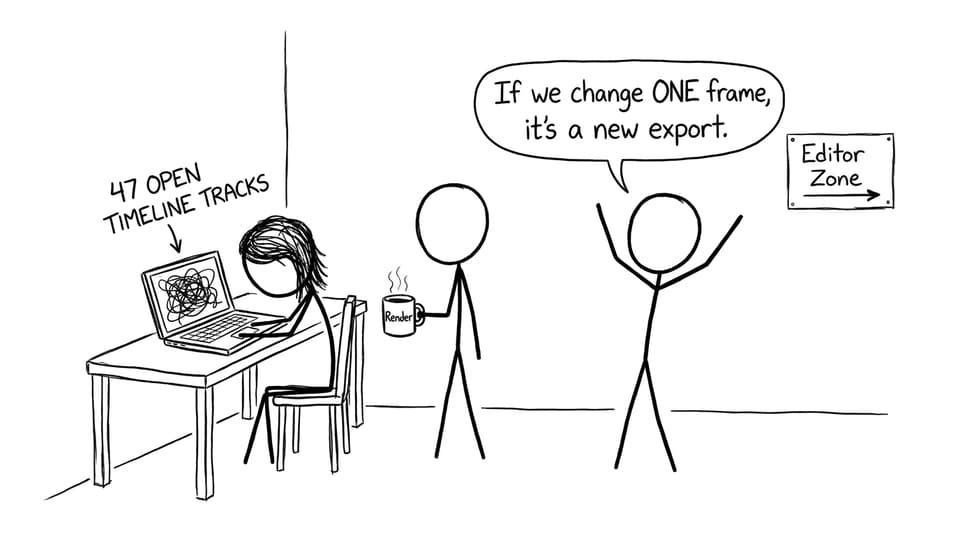
Cinematographer: the designer of attention
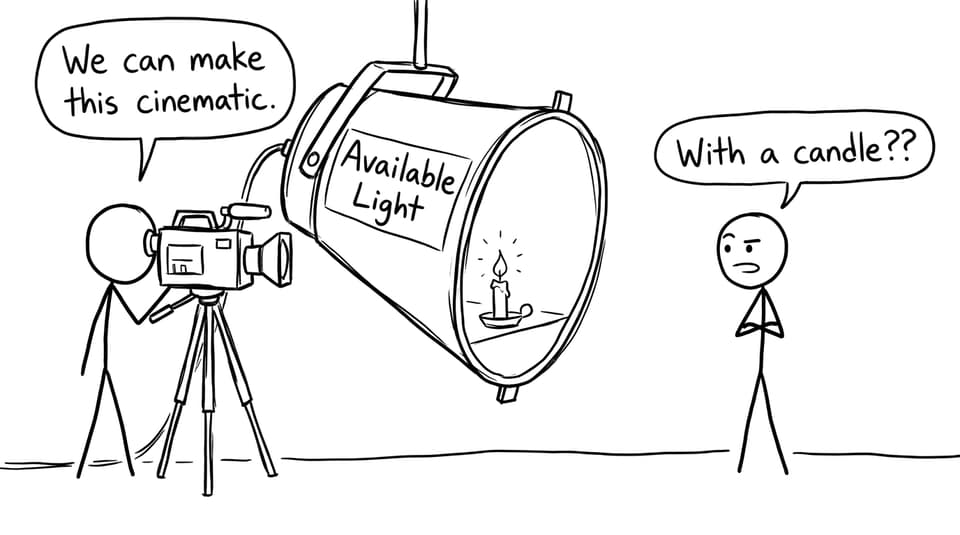
Cinematographers decide where the audience looks and how they feel about it. Shot composition, movement, and lighting are not “extra” in IB Film; they are how meaning is built. Examiners notice cinematographers who can name techniques accurately and connect them to audience impact.
If you’re strengthening your film language overall, explore the wider IB Film collection and borrow vocabulary for your reflections.
How to select roles without drama: a simple 10-minute process
This is the most reliable method I’ve seen for How to Select Roles (Director, Editor, Cinematographer) in IB Film Group Projects when deadlines are real and feelings are fragile.
Do a “three-column” skills audit
On paper, make three columns:
-
I’m confident in
-
I can do if needed
-
I want to learn
Each person fills it in privately for two minutes. Then share. This removes the performance of “fighting for a role” and replaces it with data.
Assign roles by outcome, not status
Ask: what is the film’s biggest risk?
-
If your story needs strong performances, prioritize a director who communicates well.
-
If your concept depends on mood and visuals, prioritize a cinematographer with patience and precision.
-
If the idea relies on timing, comedy, or tension, prioritize an editor who loves iteration.
Add one support duty per person
Even if someone is director, they might also be “portfolio evidence lead.” Even if someone is editor, they might also be “asset organizer.” That way, collaboration is visible and no one disappears.
To keep your written work examiner-friendly, compare your draft against Common Mistakes in IB Film Portfolios and How to Fix Them.
Make role selection examiner-ready: document it like a filmmaker
Role selection is only “real” to the examiner if it’s evidenced. Add:
-
A short meeting note: who chose what, and why.
-
A storyboard/shot list showing director + cinematographer decisions.
-
Editing screenshots showing versions and revisions.
-
A reflection paragraph connecting choices to film language.
If you’re unsure what top work looks like, browse IB Film Exemplars and IB Film EE Examples to see how strong students explain decisions.
RevisionDojo also helps you pressure-test your work with the Collaborative Film Project Grader, so your role performance aligns with the rubric language.
Conclusion: choose roles the way you choose shots
The best answer to How to Select Roles (Director, Editor, Cinematographer) in IB Film Group Projects is the same answer to good filmmaking: make intentional choices, commit early, and leave a trail of evidence. Select roles by strengths and project needs, define decision rules, and document everything you test and change.
When you want that process to feel simpler, RevisionDojo is built for it: use the Questionbank to sharpen film language, Study Notes and Flashcards to revise techniques, AI Chat to troubleshoot decisions, the Grading tools to align with rubrics, and Mock Exams plus Predicted Papers to keep exam prep calm. Your group project becomes better when your planning becomes visible, and RevisionDojo helps you make that visibility effortless.