


The night before a shoot, everything feels possible.
Then the battery dies. Someone forgets the SD card. The “quiet” location discovers traffic. And suddenly your IB Film practical production project stops being a creative dream and starts becoming a logistics test.
That’s the secret: examiners aren’t only watching your final cut. They’re reading the story of how you got there. In IB Film, preparation is part of the product.
If you want a wider view of what the course rewards, start with Dive into the World of IB Film: A Comprehensive Syllabus Guide and keep this guide as your production playbook.
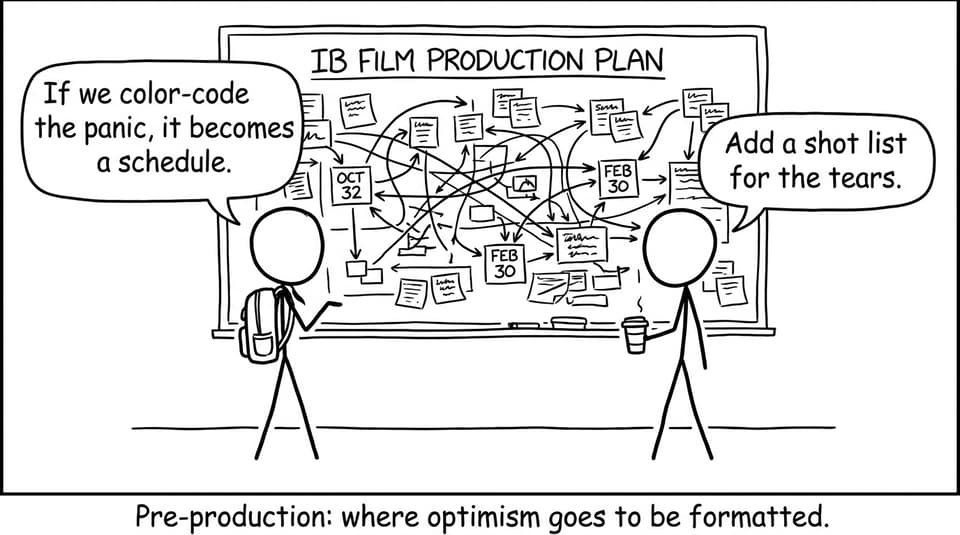
IB Film production prep checklist (fast, examiner-friendly)
Use this as your calm baseline for any IB Film practical production project:
-
Lock a simple concept you can execute well
-
Build storyboards plus a shot list you can actually follow
-
Assign roles and clarify what “done” means for each role
-
Test camera, sound, and lighting before shooting day
-
Scout locations and note risks (noise, permissions, time)
-
Rehearse blocking and run a mini technical test
-
Document decisions and changes for your portfolio reflections
For help staying aligned with assessment expectations across your components, keep How to Prepare for the IB Film Internal Assessment open as a rubric mindset reminder.
Start with a concept that survives reality
Most students don’t aim too small. They aim too wide.
A strong IB Film concept is one you can shoot with control: limited locations, a manageable cast, and scenes that communicate visually rather than through long dialogue. If you’re not sure whether your idea has enough depth, borrow a technique from analysis: define the theme in one sentence, then list three visual motifs that could carry it.
If your idea is still fuzzy, use RevisionDojo’s AI Chat to pressure-test it: ask for two alternative story structures, three symbolism ideas, and one way to reduce scope without losing meaning. Then store the final decision in your planning notes so your portfolio shows intentionality.
Storyboards and shot lists: where marks hide in plain sight
In IB Film, storyboards are not decoration. They are evidence.
Your storyboard should show framing, camera movement, and intended editing logic. Add small notes like “match cut,” “L-cut audio,” or “hold two seconds for reaction.” Then create a shot list that includes:
-
Shot number and description
-
Lens/zoom estimate (even if you’re on a phone)
-
Movement (static, pan, handheld)
-
Sound notes (dialogue, ambience, foley)
-
Estimated time to capture
If you want to strengthen your film language while planning, revisit How to Analyze Cinematography in IB Film Essays and translate those terms directly into your shot choices.
Build a crew plan that prevents silent disasters
Group work fails quietly. Not because people don’t care, but because no one owns the details.
For an IB Film practical production project, write a one-page crew sheet that states:
-
Who is director, cinematographer, sound, editor (and backups)
-
Who handles props, continuity photos, and file transfer
-
When footage will be backed up (and where)
-
What “wrap” means (final check before leaving location)
RevisionDojo helps here in a very practical way: use Flashcards to lock in role vocabulary and film language, and use the Study Notes feature to quickly refresh technical concepts when you’re making on-the-spot choices.
Test your equipment like you’re trying to break it
The most expensive camera still produces unusable footage if settings are wrong.
Before shooting, run a 10-minute stress test:
-
Record 30 seconds of dialogue with your actual mic setup
-
Check wind and handling noise with headphones
-
Film one interior and one exterior shot to see exposure shifts
-
Practice file naming and transfer so nothing gets lost
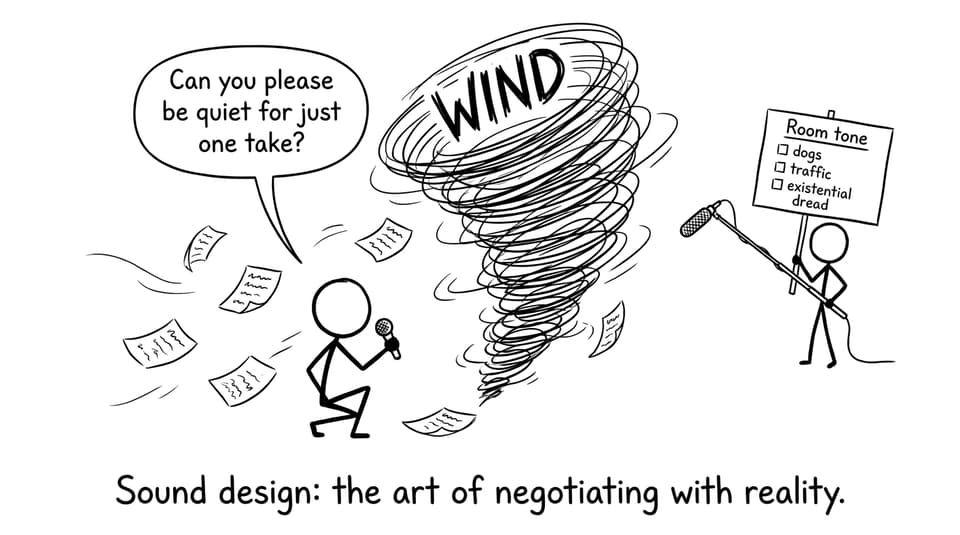
Sound tends to be the biggest regret in IB Film student work. For a deeper workflow, follow Tips for Recording and Editing Your IB Film Project.
Scout locations with your ears, not your eyes
A location can look perfect and still ruin your day.
When you scout, stand still for one minute and write down every sound you hear. Then note the light at the time you plan to shoot. In your portfolio, those notes become reflection material: you anticipated constraints and adapted intentionally.
If you want examples of what “good evidence” looks like, browse IB Film Exemplars and study how strong students justify decisions.
Document the process as you go (not after)
Examiners can tell when planning materials were created retroactively. Your language gets vague. Your timestamps disappear.
So treat documentation as part of production:
-
Keep drafts (even messy ones)
-
Photograph setups and lighting positions
-
Save short reflection logs after each session: what changed, why, and what you learned
If you’re worried your reflections sound too generic, read Common Mistakes in IB Film Portfolios and How to Fix Them and use it as a quality filter.
A calm finish: make the project smaller, then make it better
The students who score well in IB Film aren’t the ones with the biggest ideas. They’re the ones who protect their ideas with planning.
Shrink your concept until it’s filmable. Build storyboards and a shot list that reflect real cinematic intent. Test sound like it matters (because it does). And keep documentation as you go so your portfolio reads like a thoughtful journey, not a rushed apology.
When you’re ready to tighten the full workflow, RevisionDojo gives you one place to run the loop: Questionbank for exam-style practice, Study Notes and Flashcards for technique recall, AI Chat for fast problem-solving, Grading tools for rubric alignment, plus Predicted Papers and Mock Exams to keep exam prep moving alongside your IB Film production work. For extra support, the Coursework Library and Tutors help you level up faster without guessing.