
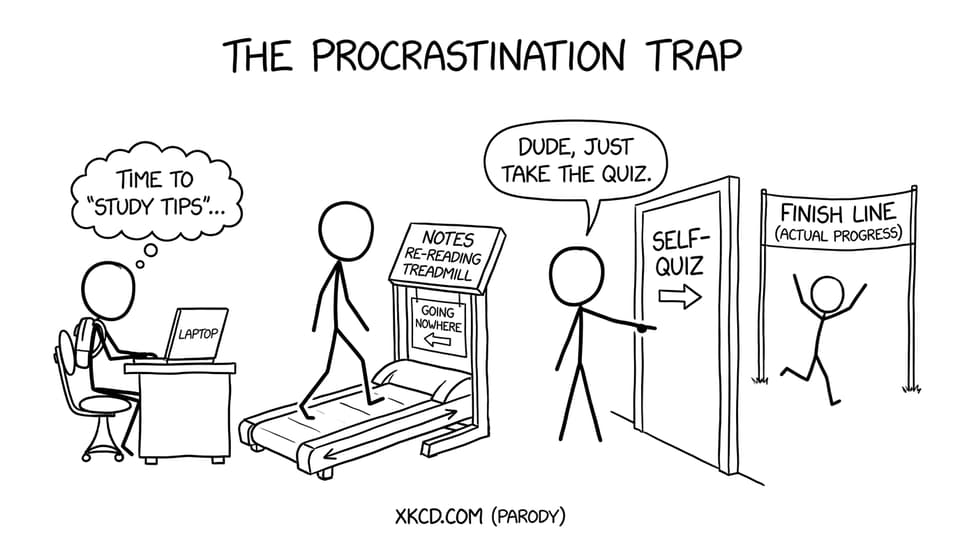
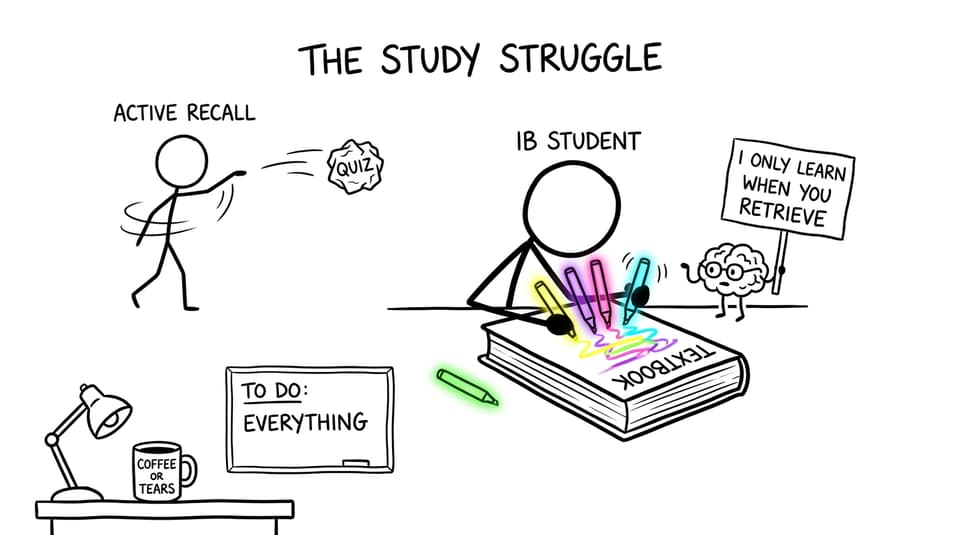
If you have ever re-read a page three times and still felt unsure, you have met the quiet trap of “productive-looking” studying. The highlighters come out. The notes get neater. The time passes. But on exam day, your brain asks a brutal question: Can you produce the answer without cues?
That is where active recall changes everything. It is one of the most reliable Studying Tips for IB students because it matches what exams demand: retrieval under pressure, not recognition in comfort.
What active recall actually is (and why it works)
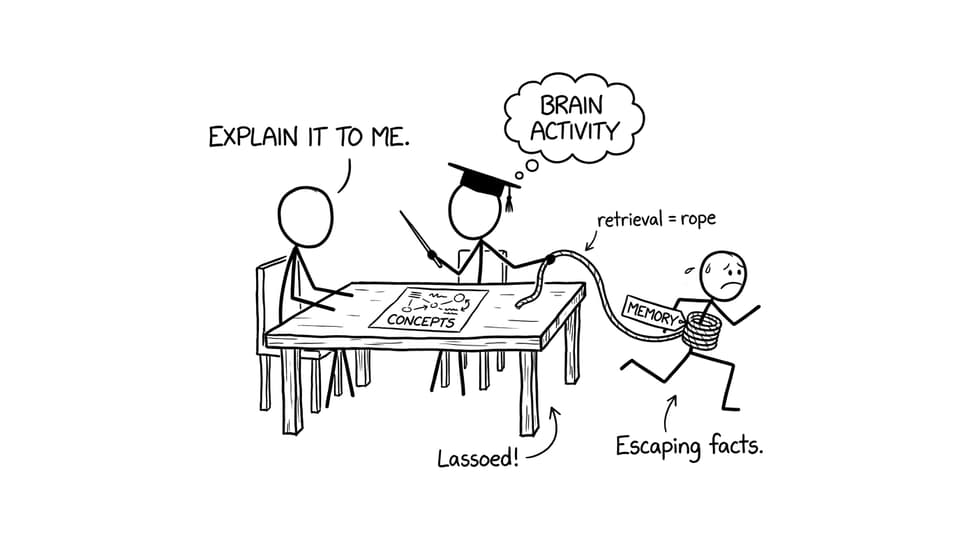
Active recall means you pull information out of memory on purpose. No peeking. No “I’ll know it when I see it.” You turn learning into a question and force your brain to answer.
Why it works is simple: every retrieval strengthens the pathway to that knowledge. Passive review can feel smooth because the page is doing the work. Active recall feels harder because you are doing the work. And that difficulty is often the point.
For IB exams, this is one of the most practical Studying Tips because IB questions rarely ask you to repeat a paragraph. They ask you to explain, apply, compare, evaluate, and calculate. Retrieval practice trains that exact skill.
A quick active recall checklist you can use today
Use this short loop when you sit down to revise:
-
Pick one micro-topic (not a whole chapter)
-
Write 3-5 questions you could be examined on
-
Answer from memory on a blank page or out loud
-
Check and correct using markscheme-style thinking
-
Retest the same day with a smaller set of questions
If you want a bigger framework around these Studying Tips, borrow the structure from How to Study for IB Exams: Step-by-Step Guide.
Active recall beats passive review (especially in IB)
Here is the uncomfortable truth: re-reading mainly trains familiarity. Familiarity is a feeling, not a score.
Active recall trains three exam-critical abilities:
You learn what you don’t know
The fastest way to improve is to find the exact holes. Active recall exposes them in minutes. That is why it is one of the most efficient Studying Tips when you are juggling six subjects.
You build long-term retention
IB revision is not a one-time event. It is a months-long process. Retrieval strengthens memory so you stop “relearning” the same content every week.
You practice under mild pressure
That slight strain you feel when you try to remember? It is rehearsal for the exam room. Passive review avoids that strain, which is why it can betray you later.
If this resonates, the article IB: I Study All Day but Remember Nothing is worth keeping open during revision week.
How RevisionDojo bakes active recall into your routine
Most students fail at active recall for a boring reason: it takes effort to generate questions, keep them organized, and revisit them on a schedule.
RevisionDojo removes that friction by making active recall the default:
-
Use Flashcards to run quick daily retrieval sessions (ideal for definitions, mechanisms, formulas, and key examples).
-
Use the Questionbank to turn recall into exam-shaped practice that looks like what IB will ask.
-
Use RevisionDojo App: The Smarter Way to Prep for IB Exams as your hub so notes, practice, and review live in one loop.
-
When you get stuck, lean on AI Chat for fast clarification, then immediately retest (the retest is where the learning locks in).
-
For written responses, grading tools help you see what earns marks, not what merely sounds correct.
-
When you are ready to simulate pressure, Mock Exams and Predicted Papers add timing, stamina, and realism.
For flashcard-specific Studying Tips, see IB Flashcard System: Active Recall for Better Memory and Flashcard Techniques for Long-Term Retention in IB.
Closing: turn your revision into a loop, not a ritual
The biggest upgrade is not more hours. It is better Studying Tips that make your time count. Active recall turns studying from “looking at information” into “proving you can use it.”
If you want to make that loop effortless, use RevisionDojo as your daily home base: Study Notes for clarity, Flashcards for recall, Questionbank for exam practice, AI Chat for quick fixes, grading tools for feedback, and Mock Exams plus Predicted Papers for realistic rehearsal. Your routine stops being a ritual and becomes a system that compounds.