
Mental health isn’t the “extra topic” you squeeze in after finishing revision. For most IB students, mental health is the foundation that decides whether your study plan becomes momentum or meltdown.
Joanna L. (IB graduate, class of 2024) told me something that surprised me: her grades didn’t improve because she became tougher. They improved because she became clearer. Clear about what the IB was asking. Clear about what help was available. And clear about how protecting mental health is not a reward for finishing work; it’s part of doing the work.
Below is her experience, translated into practical moves you can copy before exams.
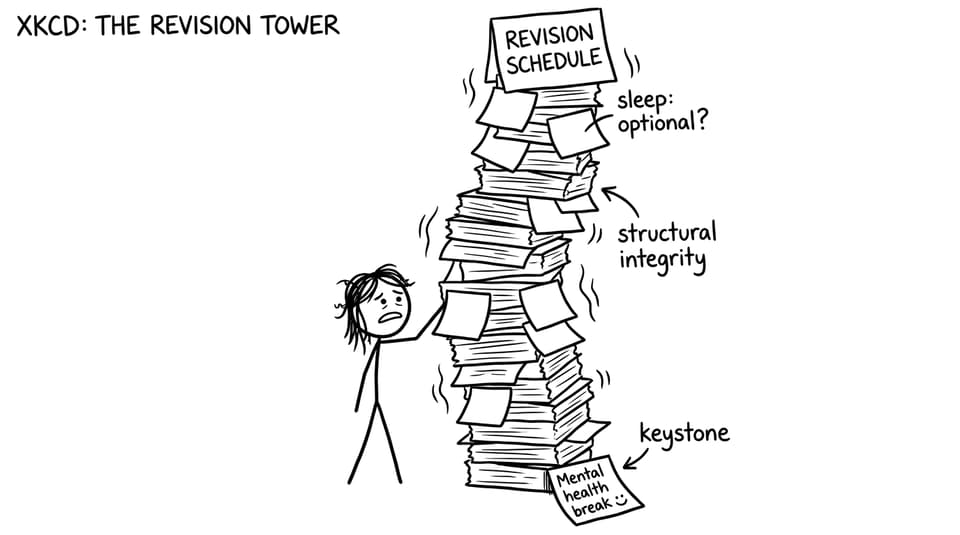
The shift that hits first: IB makes you the manager
Joanna described the biggest change as a transfer of ownership.
In many non-IB classes, teachers steer the ship: reminders, step-by-step guidance, frequent direction. In the IB, that structure loosens. Suddenly you’re expected to plan, research, and self-correct. That independence can be empowering, but it’s also the moment mental health can start to wobble, because uncertainty is exhausting.
Joanna also noticed something else: IB thinking isn’t just “harder,” it’s different. More analysis. More justification. More connecting ideas. That’s why students often feel busy but not effective.
A helpful reframe she used: the goal isn’t to do more tasks; it’s to do fewer tasks that are closer to exam performance. That mindset is quietly protective for mental health.
A quick checklist: the calm-to-results loop
If your mental health is taking hits in exam season, try this simple loop for the next 7 days:
-
Clarify one topic using Study Notes
-
Test it immediately with the free Questionbank
-
Fix patterns, not just mistakes (write a 3-line mistake log)
-
Lock recall with short daily Flashcards sessions
-
Add gentle timing once a week using Mock Exams or Exam Mode
-
Ask one question you’re avoiding using AI Chat or a real teacher
When students do this, stress becomes more measurable. And measurable stress is often less scary, which helps mental health stabilize.
“I didn’t use teachers enough” (and what Joanna would do now)
Joanna admitted she often tried to solve everything alone because she wanted to be “independent.” That’s admirable. It’s also a common trap.
She said teachers helped most when she asked specific questions, not vague ones. Instead of “I don’t get vectors,” she’d bring: “Here are two questions I got wrong. Can you show me the difference in method?” That tiny change reduces the emotional load of asking for help.
If you want a teacher-friendly way to talk about pressure (without sounding dramatic), this article is useful: How IB Teachers Can Reduce Exam Stress for Students. It’s written for teachers, but it teaches students what support can look like.
And if you’re studying solo, a structured platform helps you self-teach without spiraling. RevisionDojo is built for that: Study Notes for clarity, Flashcards for recall, Questionbank practice for application, and Grading tools to show where marks actually go.
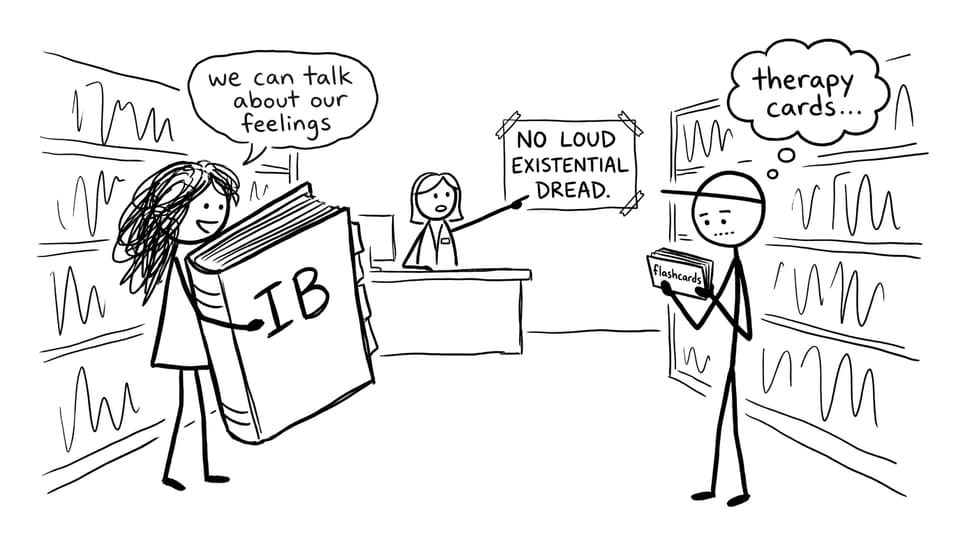
Exam season advice: confidence is built, not found
When results season rolls around, everyone starts giving the same advice: “Work harder.” Joanna’s advice was calmer.
She recommended organization and time management, yes. But she tied it directly to mental health: when your plan is realistic, your nervous system relaxes. When your plan is fantasy, your brain panics.
Her most practical suggestions:
-
Make a schedule with small daily targets
-
Prioritize weak subjects, but don’t neglect the ones that keep your confidence alive
-
Study with others sometimes (not always) to reduce isolation
-
Take breaks on purpose, not as procrastination, but as recovery
For more concrete routines, these RevisionDojo guides are worth keeping open while you plan:
The RevisionDojo angle: less chaos, more feedback
Joanna used RevisionDojo as a way to keep revision organized and focused. What matters here isn’t “more resources.” It’s fewer decisions.
In exam season, mental health often collapses under decision fatigue: What should I revise? Am I doing the right thing? How do I know?
RevisionDojo removes a lot of that fog:
-
Questionbank to practice exam-style questions with instant feedback
-
Study Notes when you need fast clarity (not endless rewriting)
-
Flashcards to keep daily recall alive
-
AI Chat when you’re stuck and embarrassed to ask again
-
Grading tools to understand how marks are awarded
-
Predicted Papers and Mock Exams to train stamina and timing
-
Coursework Library to reduce background stress from internal deadlines
-
Tutors when you need a human strategist, not just motivation
If you want a good overview of how these pieces fit together, bookmark: RevisionDojo App: The Smarter Way to Prep for IB Exams.
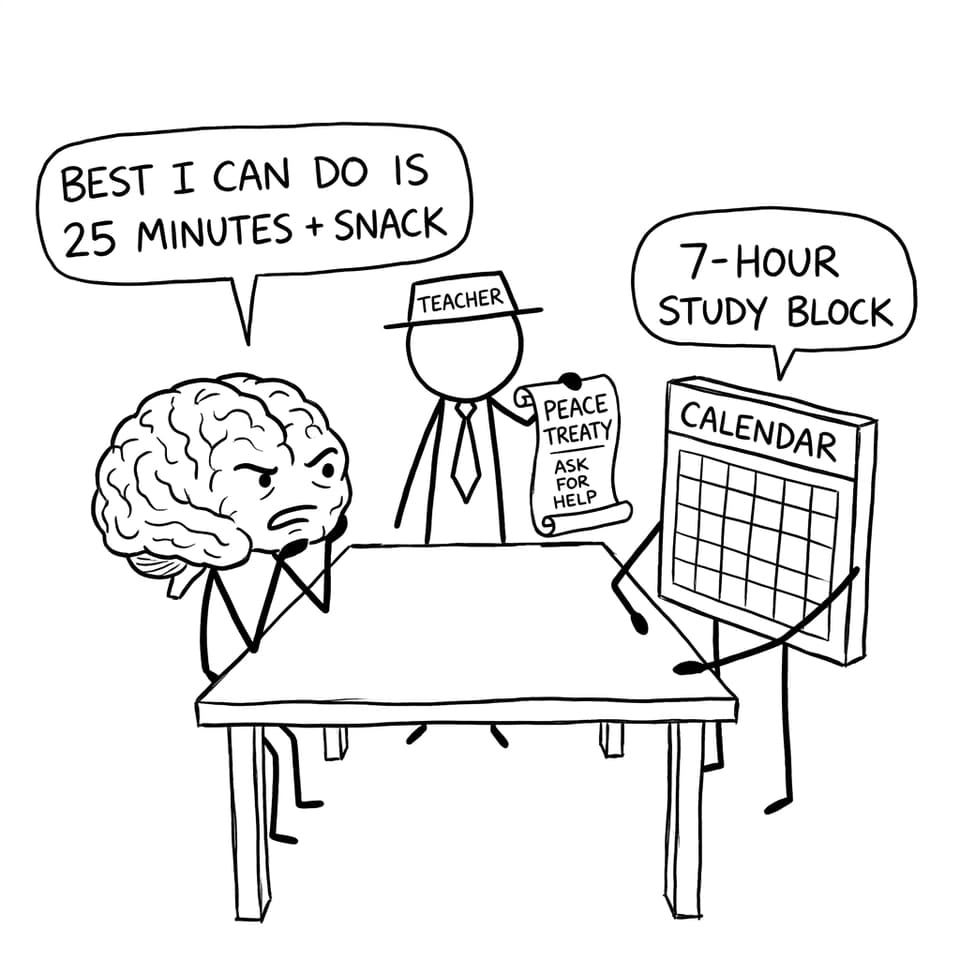
Why IB helps with university (even when it hurts)
Joanna now studies mechanical engineering and architecture. She sees a straight line from IB to university demands.
Not because IB makes you memorize more, but because it makes you practice:
-
Critical thinking under time pressure
-
Research and writing discipline (hello, extended essay energy)
-
Managing multiple deadlines without constant supervision
-
Thinking in perspectives, not single answers
This is also why mental health matters: university isn’t “less stressful.” It’s just more self-directed. The IB can be training, but only if you learn to recover as well as you learn to grind.
Closing: success is quieter than stress
Joanna’s story isn’t a miracle transformation. It’s a sequence of small decisions: ask for help sooner, practice more specifically, measure progress, protect recovery. That’s what most “success stories” look like up close.
If you’re preparing for exams, keep one truth in front of you: mental health is not separate from performance. It is performance. Build a routine that gives you clarity and feedback, not just hours.
When you’re ready, use RevisionDojo to make revision simpler: Study Notes to understand, Flashcards to remember, Questionbank to apply, AI Chat and Tutors to unblock, Grading tools to improve written marks, and Mock Exams plus Predicted Papers to train calm under time pressure. Your future self will thank you, not just for the score, but for the way you got there.