



The weirdest part of IB season isn’t the workload.
It’s the feeling that your life is being negotiated in 30-minute increments.
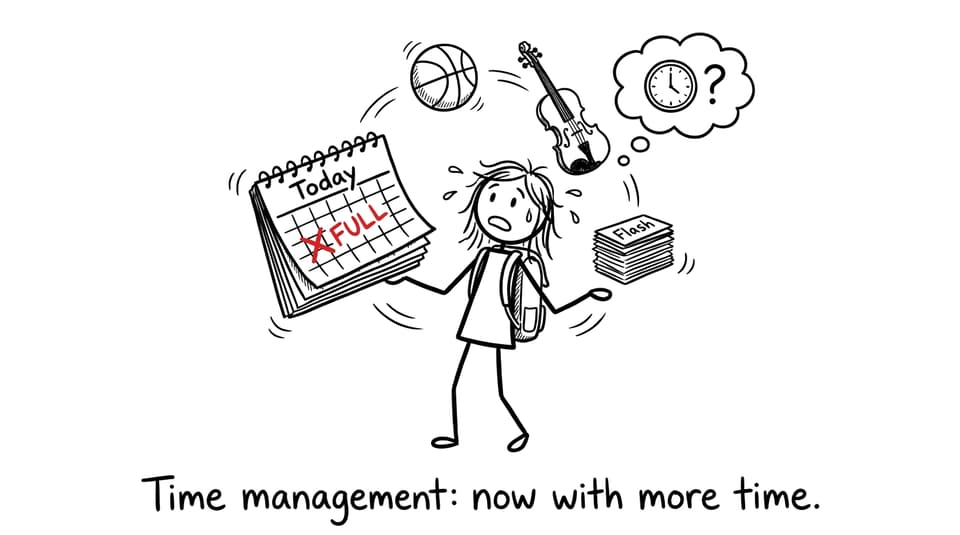
One day you’re at training, still thinking about a chemistry mechanism. The next you’re revising quotations while your group chat asks if you’re coming to rehearsal. In IB, it can feel like you’re always behind somewhere.
But the students who handle both school and activities aren’t superhuman. They’re simply running a system. They protect the right hours, shrink the wrong tasks, and use tools that turn revision into proof rather than panic.
The quick checklist for balancing IB and activities
Use this as your weekly “sanity filter” before you add more commitments:
-
Pick 2-3 non-negotiables outside school (sport, music, club, volunteering)
-
Anchor your week to IB deadlines (tests, coursework, oral practice)
-
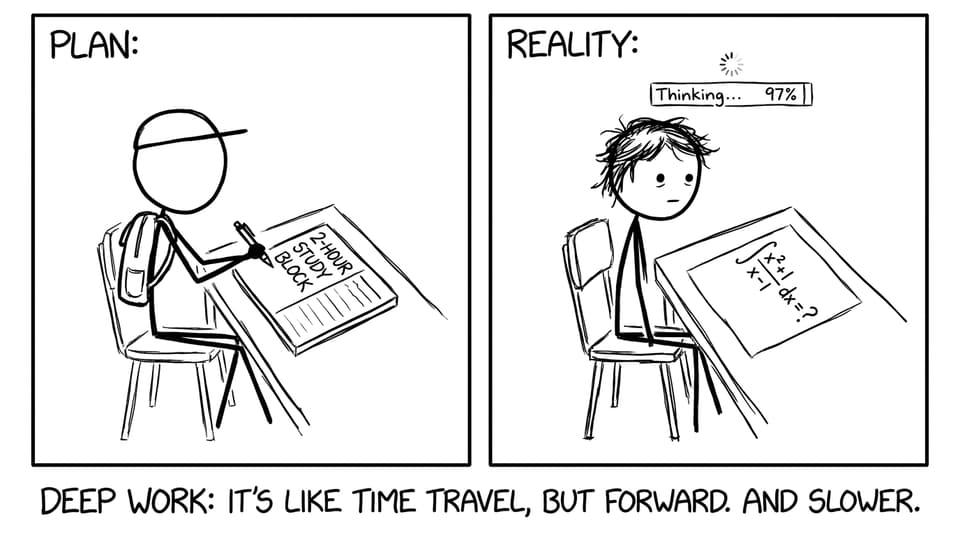
Schedule small daily revision (30-60 minutes) instead of heroic weekend marathons
-
Use active recall (Flashcards, quizzes, short written answers) instead of rereading
-
Keep one weekly reset (10-20 minutes) to adjust your plan
-
Protect sleep like it’s a subject
If you want a broader structure for IB revision, keep The Ultimate Guide to Revision for IB Students open as your “north star.”
Why IB gets harder when you “try to do everything”
In IB, the problem isn’t that extracurriculars steal time. It’s that they fragment attention.
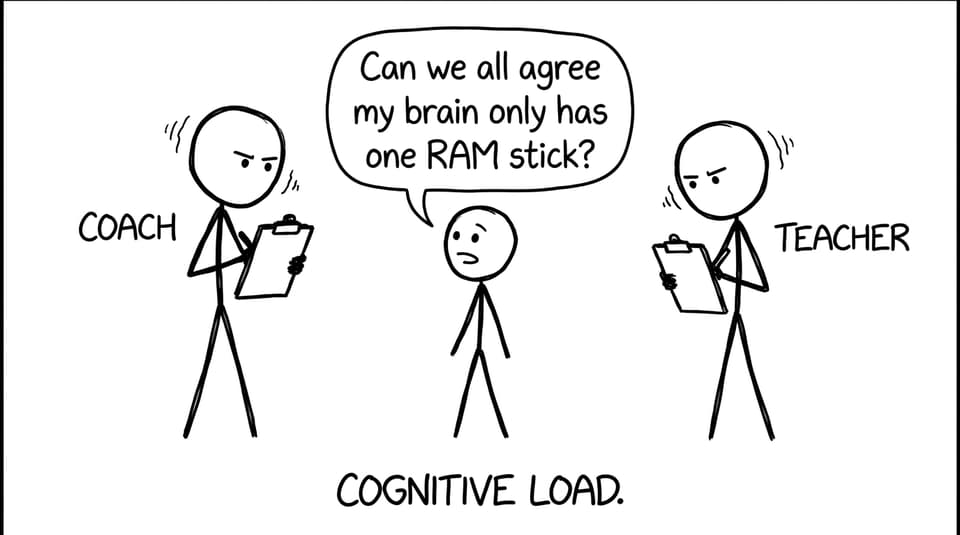
A two-hour gap that’s split into four anxious half-hours doesn’t behave like two hours. You keep restarting. You keep re-orienting. Your brain pays a switching cost every time you go from essay structure to team practice to messages to revision again.
That’s why the goal isn’t to eliminate activities. It’s to design your week so your best thinking happens in predictable windows.
If your schedule already feels packed, you’ll relate to the strategies in How to Balance IB and Extracurriculars Without Burning Out. It’s the same core idea: fewer decisions, more repeatable routines.
Build a schedule that respects real life (not ideal life)
Time-block with “minimum viable study”
On busy days, you don’t need the perfect plan. You need a plan you’ll actually do.
Try this IB baseline:
-
10-15 minutes: Flashcards (spaced repetition)
-
20-30 minutes: Question practice on one topic
-
5 minutes: error log (what went wrong, what to fix)
That’s it. Not glamorous. Very effective.
RevisionDojo is built for this kind of repeatability: Flashcards for daily retrieval, Study Notes when you need clarity, and a Questionbank to turn understanding into marks. When you’re stuck, AI Chat can act like the “unstuck button” so your time block doesn’t collapse.
For deeper study method upgrades, see 10 Proven Study Techniques for IB Students and Spaced Repetition for IB.
Use a weekly “anchor” session
Pick one session each week that is longer and calmer (often Saturday morning or Sunday afternoon). In that block:
-
Do one timed set (or a section) using a Questionbank
-
Review mistakes with Grading tools or a clear markscheme mindset
-
Patch one weak area with Study Notes
This is where confidence comes from in IB: not motivation, but repetition under mild pressure. If you need a full routine for exam week, What to Do the Night Before IB Exams pairs well with this approach.
Make extracurriculars work for your IB (instead of against it)
Extracurricular activities aren’t just “extra.” In IB, they can become an advantage if you treat them as training for the skills exams reward.
Turn activities into recovery, not avoidance
A short practice, rehearsal, or session at the gym can reset your attention. The key is boundaries:
-
Set an end time
-
Decide the restart task before you leave (example: “When I’m back, I do 12 Flashcards”)
If you struggle with guilt around breaks, read Guilt-Free Hobbies for IB Students During Exam Prep. It reframes rest as part of performance.
Use CAS reflections to reduce mental clutter
If you’re doing the IB Diploma, your activities can feed CAS without adding chaos. Keep reflections simple: what you did, what you learned, what you’d change. When your CAS is organized, you stop carrying it in your head during revision blocks.
Communicate early (teachers, coaches, group leaders)
Most clashes become stressful because they’re hidden until the last minute. In IB, clarity is a superpower.
-
Tell your coach your exam weeks
-
Tell your teacher your competition weekends
-
Negotiate roles before you’re exhausted
This isn’t “getting out of work.” It’s protecting sustainability.
The RevisionDojo loop for busy IB students
When time is limited, you need a loop that makes every minute count:
-
Study Notes: fast clarity on the exact subtopic
-
Flashcards: daily recall that survives stress
-
Questionbank: topic-filtered practice that targets weak points
-
AI Chat: quick explanations, mini-quizzes, answer feedback
-
Grading tools: improve essays and long responses with clear criteria
-
Mock Exams and Predicted Papers: rehearse timing and pressure
-
Coursework Library: reduce uncertainty on IAs and written tasks
-
Tutors: a human reset when priorities get messy
If you want the mindset shift behind this, You’re Not Lazy: YourYour IB Study Method Is Broken is worth reading once, slowly.
A calm finish: balance is a strategy, not a personality trait
Balancing IB revision with extracurriculars isn’t about squeezing more hours out of the day.
It’s about choosing what matters, then building a week that makes those choices real. Small daily retrieval. A weekly anchor session. Clear boundaries with activities. Recovery that protects your focus.
If you want your IB revision to feel simpler and more controllable, open RevisionDojo and run the loop: Study Notes for clarity, Flashcards for consistency, and the Questionbank for exam-ready practice. When time is tight, a disciplined system beats a perfect plan.