
Balancing CAS With Real Life (Without Burning Out) sounds like something an organized person would say.
Then real life happens.
A service plan moves. A group chat wakes up. Practice runs long. Your CAS coordinator wants a reflection. And you still have to remember what the command term evaluate actually wants when the exam clock is loud and your brain is tired.
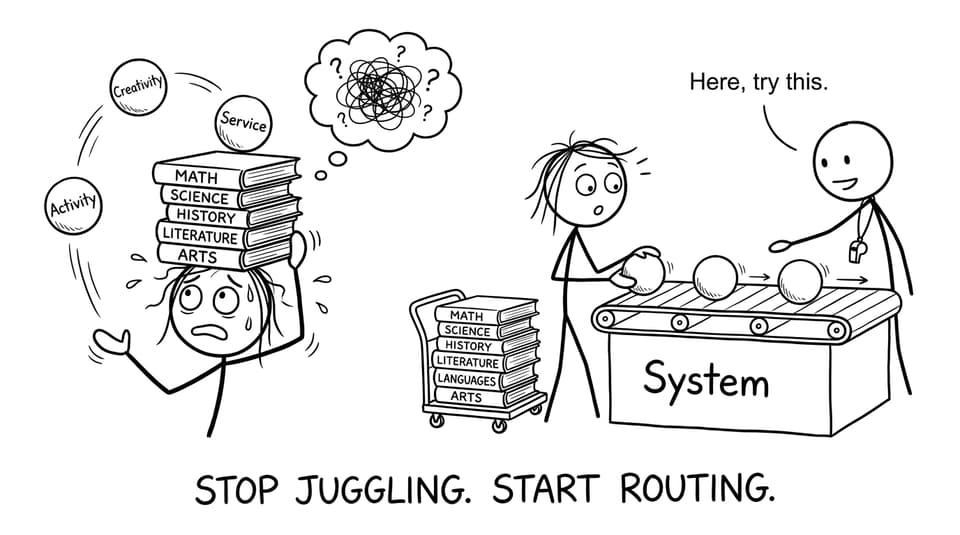
That’s the invisible problem: CAS is rarely “hard” in the moment. It’s hard because it expands into the gaps between everything else. It borrows your attention, not just your time. So the goal here isn’t to help you do more CAS. It’s to make Balancing CAS With Real Life (Without Burning Out) feel like a system you can run even during exam season.
When CAS is contained, it can actually protect you: a reminder you’re a person, not just a revision machine.
The calm checklist for Balancing CAS With Real Life (Without Burning Out)
If you’re overwhelmed, don’t redesign your whole life. Use this as a quick filter.
-
Choose CAS experiences that overlap with life you already live (movement, creativity, service you’d still want without CAS).
-
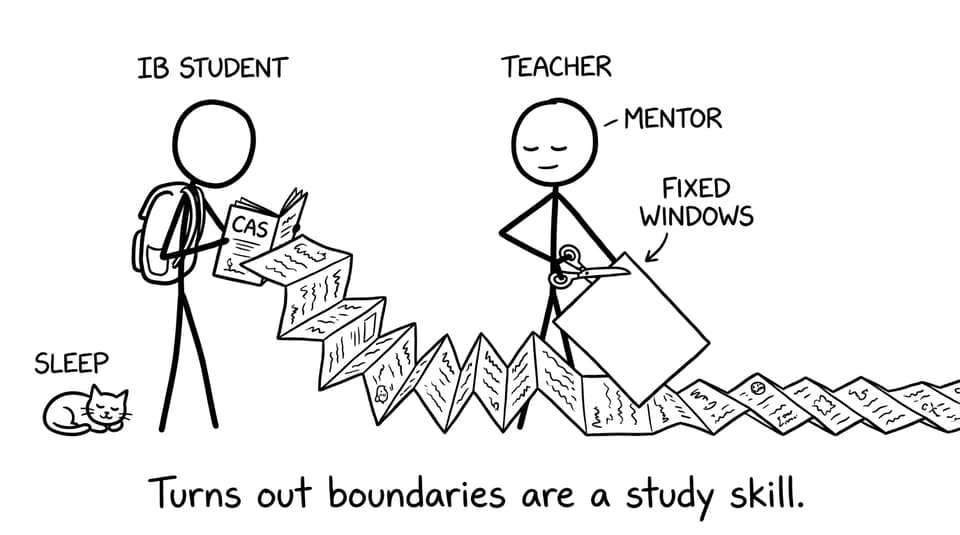
Put CAS into two fixed weekly windows so it stops spreading.
-
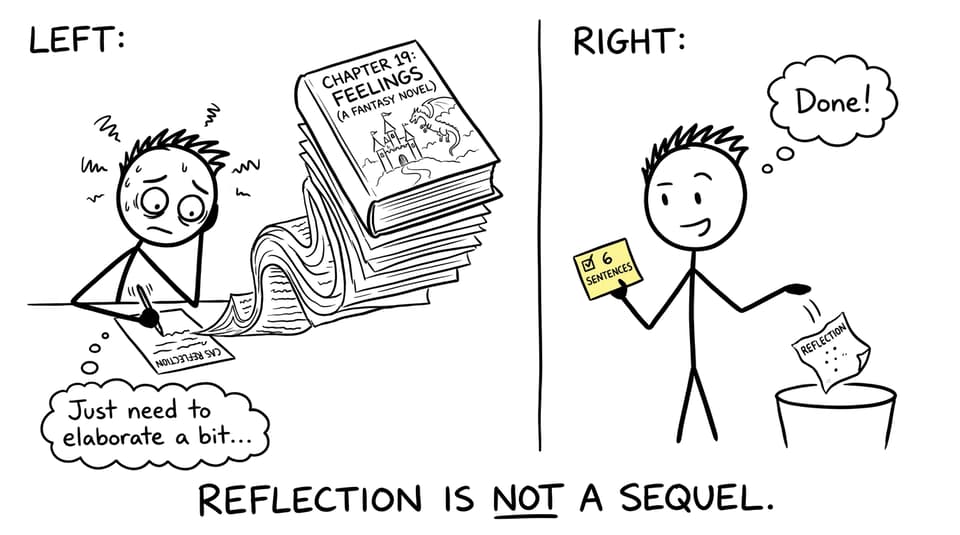
Make reflection small and repeatable, not literary.
-
Protect three exam anchors every week: clarity, practice, feedback.
-
Reduce switching costs: fewer tabs, fewer apps, fewer half-starts.
-
Keep scope small during peak weeks (mocks, deadlines, final revision).
If you want the baseline expectations in plain language, start here: Understanding the Minimum Requirements for CAS in the IBDP.
Why CAS feels heavier than it is
Most students don’t burn out from the CAS experience itself. They burn out from the admin fog around it.
It’s the planning doc you forgot. The evidence you didn’t upload. The supervisor message you haven’t sent. The reflection you keep postponing because you want it to sound “deep.” Each tiny open loop sits in your mind like an extra browser tab, quietly draining energy you need for revision.
So Balancing CAS With Real Life (Without Burning Out) depends on one mindset shift:
Treat CAS like a system, not a mood.
A system answers boring questions in advance:
-
When exactly do I do CAS each week?
-
What counts as “enough” reflection?
-
What do I do when exam pressure spikes?
Once you decide those, CAS becomes smaller.
And if you’re still unsure what your activities actually count as, clarify the definitions early: What Counts as a CAS Project vs. a CAS Experience?.
Build CAS around your actual life (not your fantasy self)
There’s a tempting trap at the start of CAS: you try to become a new person.
Suddenly you’re going to run a fundraiser, learn guitar, lead a weekly volunteer program, and document it all with cinematic reflections. For about two weeks, it’s exciting. Then the schedule tightens, revision ramps up, and you’re left with half-finished commitments that make you feel behind everywhere.
Balancing CAS With Real Life (Without Burning Out) gets easier when you choose experiences with low friction.
The “piggyback” method
Pick CAS strands that sit on routines you already have:
-
Activity: training you already do (gym, sport, walks, dance) documented consistently.
-
Creativity: outputs you can repeat (posters, editing, music, cooking, coding, writing).
-
Service: something reliable (tutoring, helping a club, community support).
This doesn’t make CAS smaller by cheating. It makes CAS sustainable by design.
If you need realistic ideas that won’t hijack your week, browse: CAS Project/Experience Ideas: Unleash Your Creativity, Activity and Service.
Time-block CAS like it’s a subject (because it behaves like one)
The biggest cause of CAS stress is letting it live in “leftover time.”
Leftover time is unpredictable. It disappears. It turns into scrolling. It invites you to keep postponing the hard part (reflection and evidence) until you’re writing at 11:58 pm.
Instead, give CAS containers.
A schedule that works even near exams
Try this for Balancing CAS With Real Life (Without Burning Out):
-
One weekday CAS window (60-90 minutes): your main session.
-
One weekend CAS window (60-120 minutes): your second session or project block.
-
One reflection micro-window (15 minutes): same day as the experience.
That’s it. Two doing windows. One documenting window.
To keep the whole IB workload realistic, pair your plan with a weekly hours target from: How Many Hours Should I Study Per Week in the IB? A Realistic Guide by Subject and Level.
Make reflections small enough to finish when you’re tired
Reflections are where most CAS systems collapse.
Not because you have nothing to say. But because reflection feels like writing, and writing expands. You tell yourself you’ll do it “properly” later. Later becomes a backlog. The backlog becomes guilt. Guilt becomes avoidance.
Balancing CAS With Real Life (Without Burning Out) means building a reflection format that survives low-energy days.
The 6-sentence reflection (fast, honest, portfolio-friendly)
Set a 10-15 minute timer and answer:
-
What did I do (specific)?
-
What was harder than expected?
-
What decision did I make during the experience?
-
What did that reveal about me?
-
What will I change next time?
-
Which learning outcome(s) does this connect to?
Short reflections done consistently are more valuable than long reflections done rarely.
If you want deeper reflection advice (with examples and prompts), use: 10 Powerful Tips to Write a CAS Reflection That Stands Out in 2025.
And if you’re using AI to help structure your thinking, be clear on disclosure norms here: Should I Mention My Use of AI in CAS Reflections or EE Research?.
The boundary that protects your grades: CAS can’t touch deep work
Your exam results don’t come from “being busy.” They come from deep work: focused sessions where you practice questions, mark, and learn the patterns behind mark schemes.
CAS is meaningful, but it can’t be allowed to fragment those sessions.
So use a simple boundary rule:
-
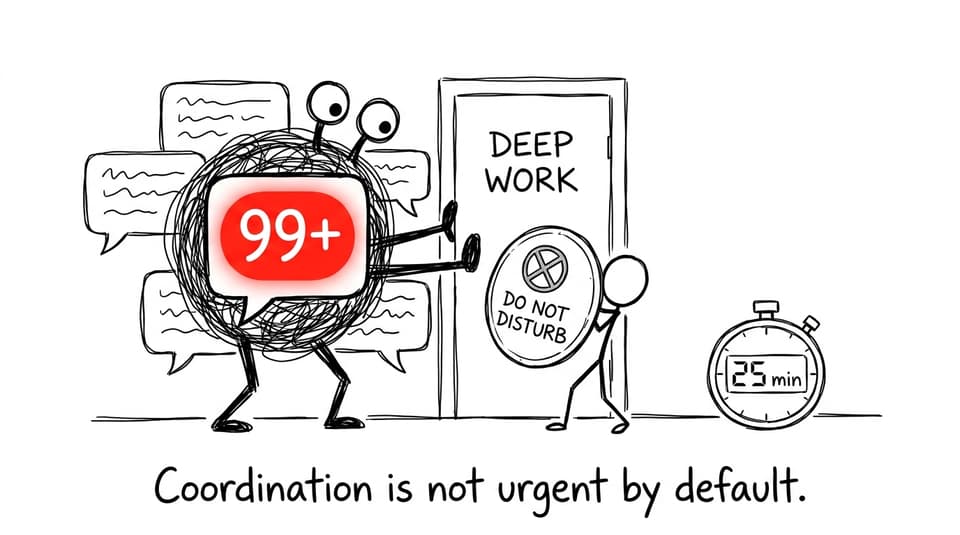
CAS planning/admin only happens inside CAS windows.
-
Exam revision only happens inside revision windows.
-
Notifications and coordination wait.
This is the quiet heart of Balancing CAS With Real Life (Without Burning Out). Not working harder. Working with cleaner borders.
If tech is the main thing breaking your focus, read: IB Tech Boundaries: Use Technology Without Losing Control.
One workflow that makes CAS and revision cooperate
During exams, the problem isn’t “too much to do.” It’s the cost of switching.
Each time you jump from CAS messages to revision to a reflection to a new topic, you pay a mental tax. It feels like you’re moving all day, yet nothing solid gets done.
A single study home base reduces that tax.
This is where RevisionDojo fits naturally into Balancing CAS With Real Life (Without Burning Out): not as another task, but as the control panel that makes revision smaller and more automatic.
The RevisionDojo loop (designed for busy IB weeks)
-
Study Notes for fast clarity when you don’t have time for rewriting marathons.
-
Questionbank to turn understanding into marks with exam-style practice.
-
Flashcards for daily recall when CAS makes your schedule uneven.
-
AI Chat (Jojo) as an “unstuck button” so confusion doesn’t steal your whole evening.
-
Mock Exams and Predicted Papers to build timing and stamina as exams get close.
-
Grading tools to tighten coursework feedback loops (so coursework stress doesn’t leak into exam season).
-
Coursework Library so you can see what strong work looks like without guessing.
-
Tutors when you need a human to simplify the knot quickly.
If you want the full platform overview, start here: RevisionDojo App: The Smarter Way to Prep for IB Exams.
For a quick, lightweight daily habit that survives CAS weeks: Flashcards.
A realistic weekly rhythm (CAS + exam prep) you can actually repeat
The best schedules aren’t impressive. They’re repeatable.
Use this as a template for Balancing CAS With Real Life (Without Burning Out) during exam prep.
Daily (20-35 minutes)
-
7-10 minutes: Flashcards
-
15-25 minutes: a small Questionbank set on one topic
This is your minimum. It keeps every subject warm.
4 days per week (60-90 minutes)
- One focused revision block: Study Notes (small slice) + Questionbank + review mistakes
2 days per week (your CAS windows)
-
CAS session (60-120 minutes)
-
15-minute reflection the same day
1 day per week (pressure training)
- Timed practice using Mock Exams or Predicted Papers
If you want the mindset behind staying steady, this is worth your time: Why Some IB Students Stay Consistent.
What to do when you’re already behind
Sometimes the system breaks. A deadline wave hits. You miss two reflections. The project stalls. Now you’re doing CAS while thinking about revision, and revising while thinking about CAS.
Here’s the recovery move:
-
Shrink scope immediately: keep the same activity, reduce output.
-
Stop the bleeding: write one reflection today (timer, 10-15 minutes).
-
Restart fixed windows next week: don’t rely on “I’ll catch up when free.”
-
Use exam proof first: before CAS admin, earn one piece of revision proof (a short Questionbank set, a flashcard session, or one timed section).
If the behind feeling is hitting your study plan too, this guide helps you reset without panic: How to Study for IB Exams When You Feel Behind.
Closing: make CAS smaller, make revision steadier
Balancing CAS With Real Life (Without Burning Out) isn’t about becoming a perfect planner. It’s about making CAS boring in the best way: two fixed windows, tiny reflections, and boundaries that protect deep work.
If you want your weeks to feel calmer while your scores move up, build one connected exam system inside RevisionDojo: use Study Notes for clarity, Flashcards for daily recall, Questionbank practice for marks, AI Chat (Jojo) for fast unblocking, and Mock Exams plus Predicted Papers for timed realism. Add Grading tools, the Coursework Library, and Tutors when coursework pressure spikes.
CAS will still be part of your life. The difference is that it won’t take it over.