


The first time you hear “Group 6,” it sounds like a secret track in the IB Diploma, something only the naturally talented can survive.
Then you actually sit in a Group 6 class.
You realize it’s less “mysterious creative freedom” and more “make something, explain it, refine it, document it, then explain it again.” That’s the real heart of IB Group 6 Arts: creativity with receipts.
In this guide, you’ll learn what a Group 6 class is, which subjects count as IB Group 6 Arts, how assessment generally works, and how to revise like an exam student even when your subject doesn’t feel “exam-shaped.”
What is a Group 6 class in IB?
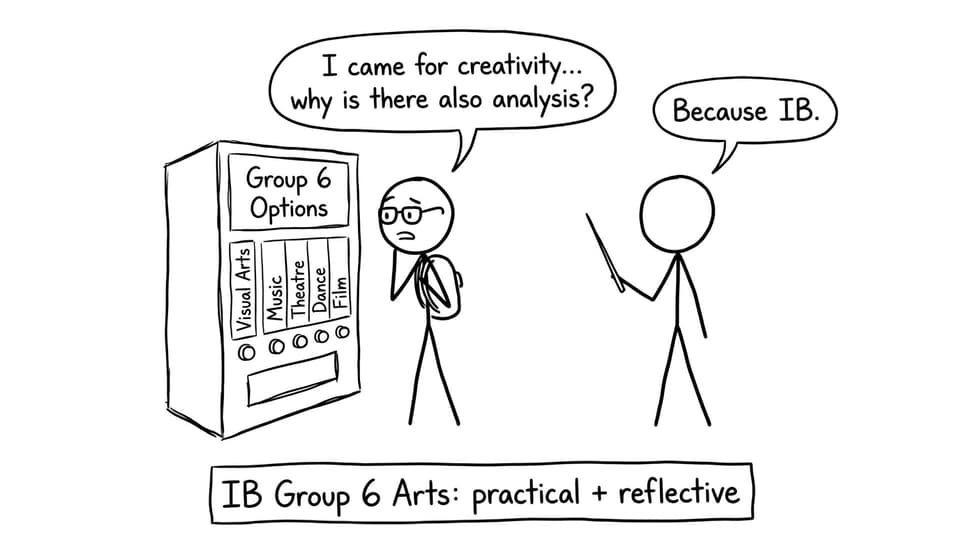
A Group 6 class in the IB Diploma Programme is an arts subject. Officially, Group 6 is “The Arts,” and it’s where you study a creative discipline while also learning to analyze artistic choices, context, and process.
The important detail: IB Group 6 Arts is usually flexible. Many schools allow you to replace Group 6 with an additional subject from Groups 1-5 (often another science, individuals and societies, or a second language). That flexibility is why Group 6 can feel like both an opportunity and a dilemma.
If you want the big-picture view of how Group 6 fits into your full diploma, it helps to revisit the overall structure in How Many Subjects Do You Take in the IB?.
Quick checklist: what to expect in IB Group 6 Arts
Before you choose (or panic-revise), keep this quick checklist nearby:
-
You will be assessed on both product and process in IB Group 6 Arts.
-
Expect long projects, not just short tests.
-
Reflection, rationale, and commentary matter more than most students expect.
-
Your best friend is consistent progress, small weekly wins.
-
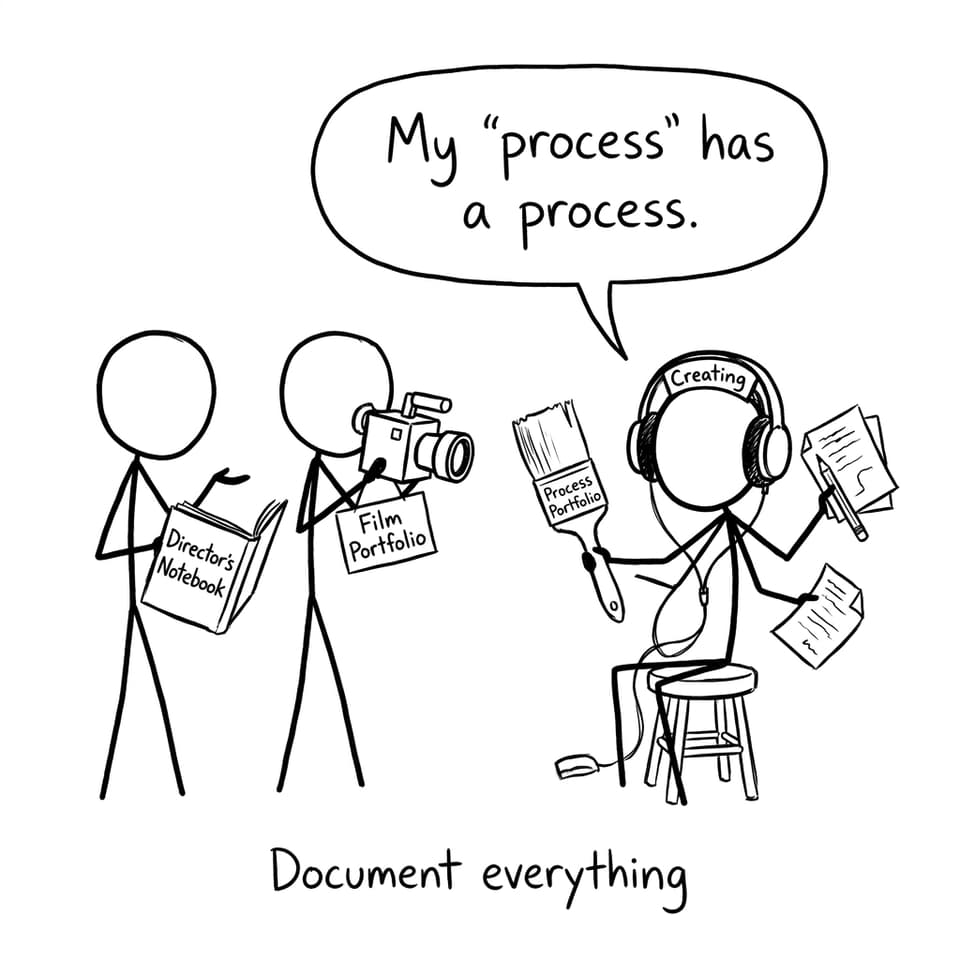
Your best evidence is documentation: drafts, experiments, rehearsal notes, iterations.
For subject-choice strategy, Choosing Your Group 6 Subject: A Comprehensive Guide is a strong starting point.
Which subjects count as IB Group 6 Arts?
Most schools offer some combination of the five classic Group 6 subjects. Each one has its own practical format, but the shared DNA of IB Group 6 Arts stays the same: create, contextualize, and communicate.
Visual Arts
Visual Arts tends to suit students who think in images and don’t mind living in drafts.
What you typically do:
-
Explore techniques and media (traditional or digital)
-
Analyze and compare artworks across cultures
-
Build a curated body of work
Common components include a Comparative Study, a Process Portfolio, and an Exhibition with a clear curatorial rationale.
Music
Music often blends making and listening: performance and/or composition alongside analysis.
What you typically do:
-
Create original music (composition/arranging)
-
Perform solo and/or in ensembles
-
Make explicit links between musical works and contexts
It’s still IB Group 6 Arts, but the “evidence” might be recordings, annotated scores, and written investigations instead of studio pages.
Theatre
Theatre is where collaboration becomes part of your grade story.
What you typically do:
-
Research theatre practices and practitioners
-
Develop performance and production skills
-
Document decision-making as a director, performer, or creator
The work is practical, but it’s assessed through structure: your thinking, process, and choices must be visible.
Dance
Dance sits at the intersection of athletic discipline and artistic intention.
What you typically do:
-
Create choreography and analyze movement choices
-
Perform solo and ensemble pieces
-
Investigate styles, traditions, and contexts
In IB Group 6 Arts, dance students often score higher when they treat reflection like training: regular, specific, and honest.
Film
Film rewards students who can do two things at once: craft meaning and explain how they crafted it.
What you typically do:
-
Analyze how films build meaning (cinematography, editing, sound, narrative)
-
Produce original film work and document production decisions
-
Compare film texts across contexts or styles
If you’re debating the practical realities (gear, software, materials), see IB Group 6 Arts: Materials and Equipment You’ll Need.
How is IB Group 6 Arts assessed (and why it matters for exams)?
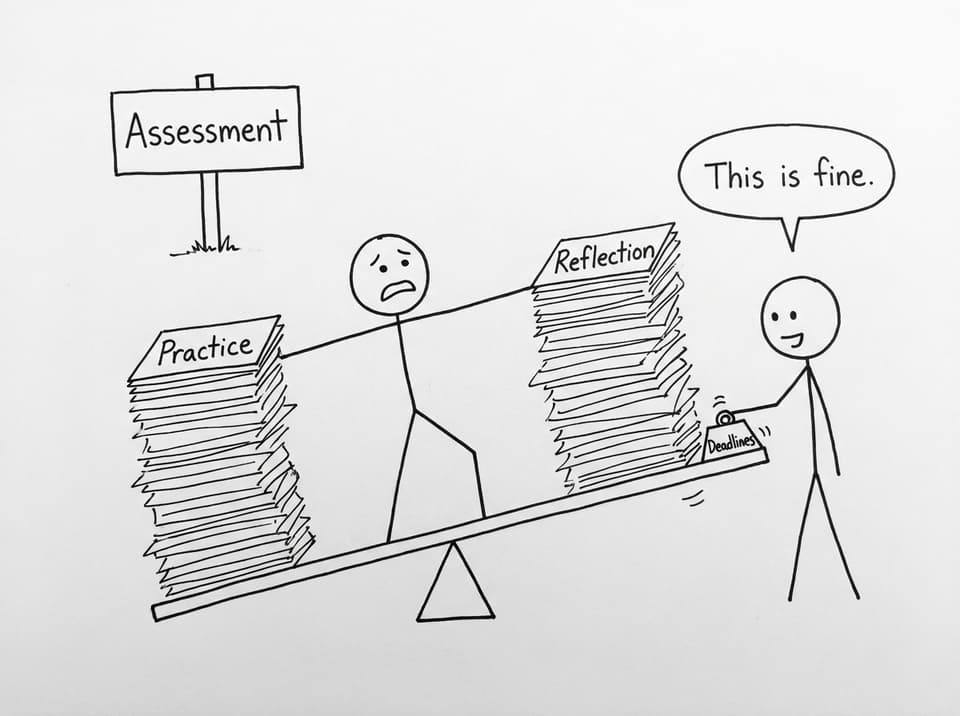
Many students assume the arts are “easier” because they imagine fewer traditional timed exams. The truth is calmer and stricter: IB Group 6 Arts assessment is often built around coursework-style components, moderation, and external marking of written or recorded elements.
That changes how you prepare.
Instead of cramming definitions the night before, your grade is shaped by:
-
The quality of your final work
-
The clarity of your intention and artistic decisions
-
The evidence trail of your process
-
How well your reflection matches the criteria language
To understand the assessment logic across subjects, read Understanding Assessment in IB Group 6 Subjects.
And if your goal is a top mark, it’s worth skimming Scoring in IB Group 6 Subjects: Strategies and Insights to see what consistently separates strong work from “almost.”
How to revise for IB Group 6 Arts like an exam student
Here’s the mindset shift: even in IB Group 6 Arts, your work is still measured against criteria. That means you can revise with structure.
Build a weekly feedback loop
A practical loop (repeat it weekly):
-
Produce a small piece of work (a study, a rehearsal clip, a draft edit)
-
Compare it to the criteria
-
Get one round of targeted feedback
-
Implement changes and document the “why”
If you want a clean method for that, use How to Get Effective Feedback on Your IB Group 6 Work.
Use RevisionDojo to make your process easier to prove
RevisionDojo is built for students who want creativity with clarity.
-
Use Study Notes to anchor terminology and context so your commentary stops sounding vague.
-
Use Flashcards for key vocabulary, practitioners, techniques, and analysis prompts.
-
Use the Questionbank mindset (even in arts): short, focused prompts that force you to explain decisions.
-
Use AI Chat to pressure-test your rationale: “What is my intention?” “What evidence proves it?”
-
Use Grading tools to align reflection to criteria language.
-
Use Mock Exams and Predicted Papers for timed writing practice where relevant.
-
Use the Coursework Library to see what strong structure looks like.
-
Use Tutors when you need a calm, expert second set of eyes.
If you want to explore the platform workflow, RevisionDojo App: The Smarter Way to Prep for IB Exams lays it out clearly.
Closing: make your creativity easier to mark
A Group 6 class isn’t a break from the IB. It’s the IB, expressed through making.
If you treat IB Group 6 Arts like a long-term project with weekly checkpoints, your work gets calmer, clearer, and more coherent. And when deadlines hit, you’re not trying to invent a process from scratch; you’re simply continuing one.
When you’re ready to study with more structure, RevisionDojo gives you the tools to do it: Questionbank, Study Notes, Flashcards, AI Chat, Grading tools, Predicted Papers, Mock Exams, a Coursework Library, and Tutors built around how IB students actually score.
Explore more strategies through the IB Group 6 Arts tag hub, then build a plan you can repeat.