


The surprise cost of choosing creativity
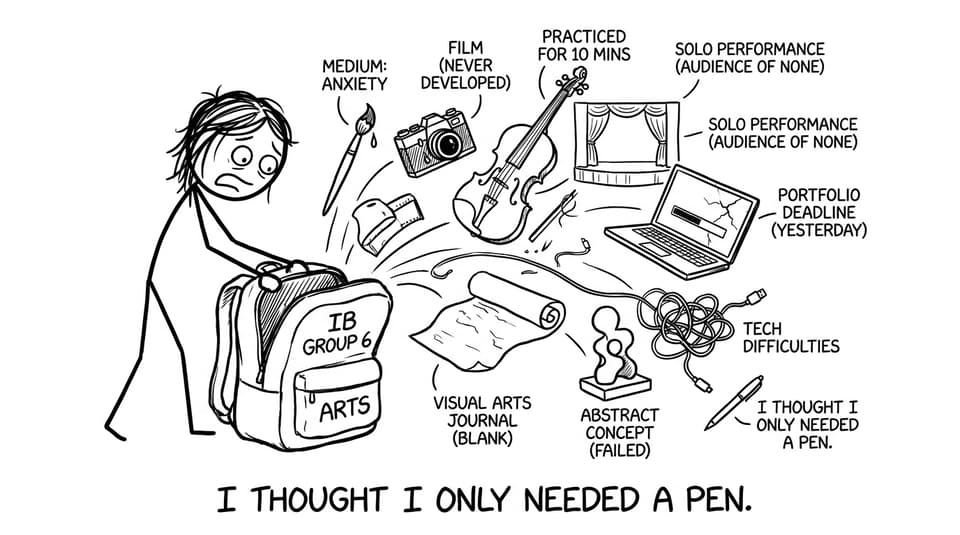
The first time many students realize IB Group 6 Arts is different is not in class. It is at home, when the “homework” is suddenly a canvas, a rehearsal video, a mic that crackles, or a laptop that can’t render your film edit. IB Group 6 Arts rewards imagination, yes, but it also rewards logistics: having the right tools, access, and a simple system for documenting what you did and why.
If you plan early, materials become a quiet advantage. If you don’t, they become the thing that steals your weekends.
Quick checklist: what to sort out this week
Before you buy anything for IB Group 6 Arts, get clear on these basics:
-
What your school provides vs. what you must source yourself
-
Your core medium (what you’ll use repeatedly, not once)
-
A reliable workspace (production + storage)
-
A documentation setup (photos, scans, audio/video, backups)
-
A realistic budget and a “borrow instead of buy” list
For a wider view of options across IB Group 6 Arts, bookmark All IB Group 6 Arts posts.
Visual Arts: materials matter, but intention matters more
Visual Arts can involve paint, ink, clay, printmaking tools, photography, digital design, or mixed media. That variety is exciting, but it can also become expensive and chaotic fast.
Here’s the key: in IB Group 6 Arts, your supplies are not “extras”; they shape what you can experiment with, how consistently you can produce work, and how clearly you can document development.
A smart starting point is to understand the structure of the course first, then let that structure guide what you actually need. See Requirements for IB Visual Arts and What is IB Visual Arts?.
If your budget is tight, your best strategy is not buying “better” materials. It is choosing a smaller set you can use deeply, then documenting experimentation like a scientist. This is exactly why students lean on RevisionDojo’s Study Notes, Flashcards, and AI Chat to translate criteria into practical decisions while they work.
Your assessments quietly depend on your setup
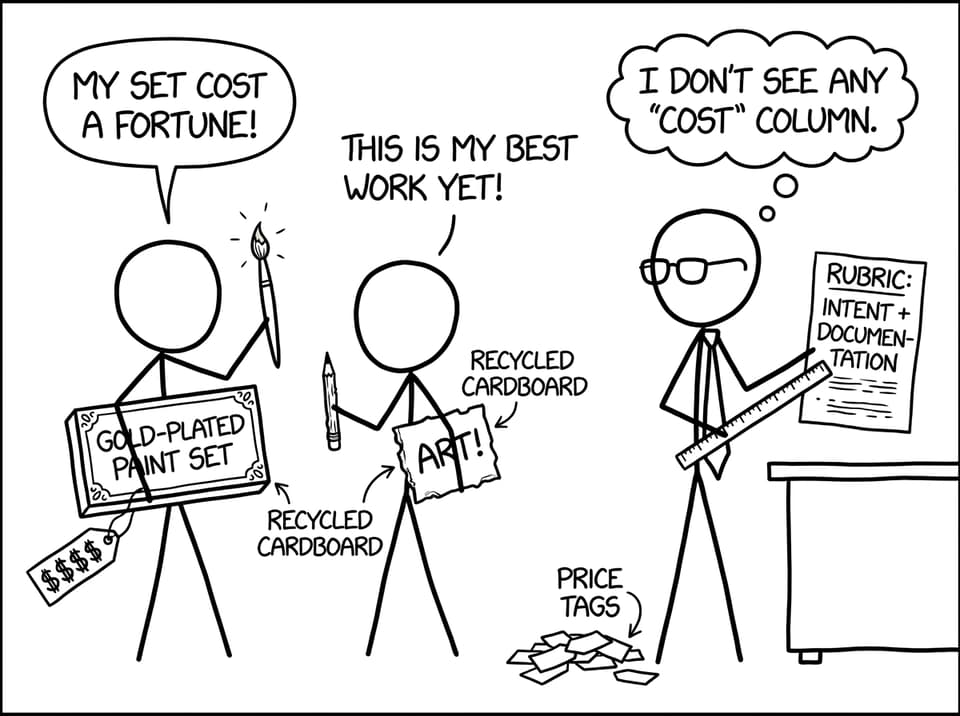
In Visual Arts, the Process Portfolio, Comparative Study, and Exhibition all rely on evidence: tests, iterations, reflections, and clear images.
So the “special equipment” is often boring:
-
Good lighting for photographing work
-
A consistent background
-
A scanning app or scanner access
-
Cloud storage with folders you will actually maintain
If you want targeted help aligning choices to marking expectations, explore Creating an Outstanding IB Visual Arts Portfolio and How to Show Experimentation in Your IB Visual Arts Process Portfolio. The same mindset carries across IB Group 6 Arts: creativity plus proof.
Music, Theatre, Dance, Film: the “equipment” is access
Outside Visual Arts, IB Group 6 Arts requirements often look like access rather than objects.
-
Music: instrument availability, notation/composition software, and basic recording tools. If composition is your focus, Best Resources for IB Music Composition can help you plan what’s essential.
-
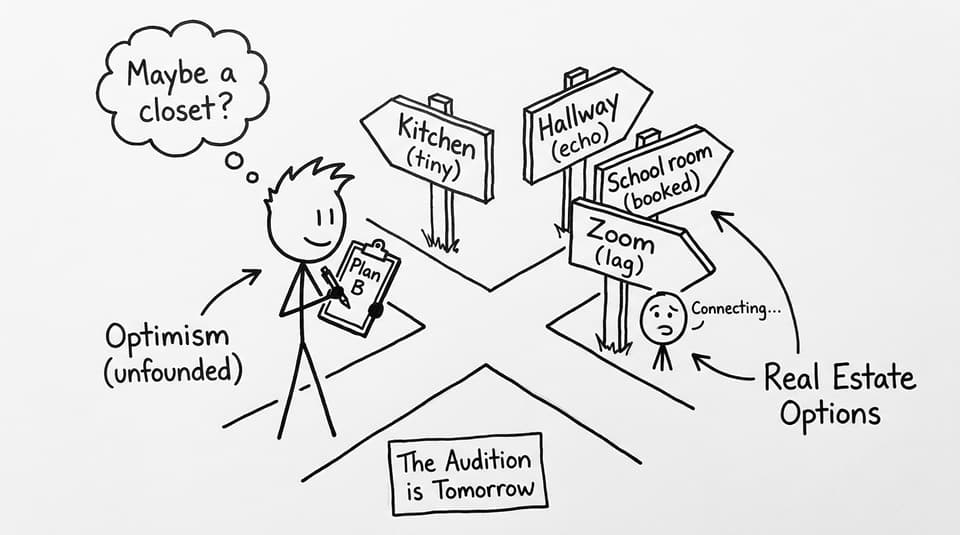
Theatre: rehearsal space, props, costumes, and a way to record process consistently.
-
Dance: safe flooring, space, mirrors if possible, and reliable video capture.
-
Film: a camera (even a phone can work), steady audio, editing software, and a workflow for file management.
If you’re struggling to keep output consistent, RevisionDojo’s ecosystem helps you stay organized: Questionbank practice for terminology and analysis, Grading tools for criterion-focused improvement, and Tutors when you need a human to help you prioritize.
How RevisionDojo helps you plan (and not panic)
The hardest part of IB Group 6 Arts is that “good work” isn’t only talent; it’s repeatable process. RevisionDojo supports that process in practical ways:
-
Use the Coursework Library to see what strong portfolios and projects actually look like, including IB Visual Arts Exemplars and IB Film Exemplars.
-
Use AI Chat to pressure-test artistic intention, refine reflections, and turn vague feedback into next steps.
-
Use Mock Exams and Predicted Papers to build exam confidence in the written and analytical parts that many arts students leave too late.
Closing: treat materials like a strategy, not a shopping trip
So, do IB Group 6 Arts subjects require special materials or equipment? Yes, but the bigger requirement is a plan. When you treat supplies, space, and documentation as part of your creative process, you stop losing time to last-minute improvisation.
If you want that plan to feel simple, build it with RevisionDojo: use Study Notes for clarity, Flashcards for quick recall, the Questionbank for exam-ready practice, Grading tools to understand markbands, and the Coursework Library plus Tutors when you want examples and expert direction. Your creativity deserves logistics that support it, and IB Group 6 Arts becomes far less stressful when they finally do.