
Starting Theory of Knowledge can feel like arriving midway through a conversation. Everyone is discussing evidence, perspectives and knowledge, yet familiar words suddenly seem to carry unfamiliar weight.
The structure is simpler than it first appears. Every TOK student studies the compulsory core theme, Knowledge and the Knower. Each class also studies two of five TOK optional themes: knowledge and technology, language, politics, religion, and Indigenous societies. Together, these themes help you examine how knowledge operates in real situations.
They also support the two assessed components. The TOK exhibition is an internally assessed commentary of up to 950 words involving three objects and one official prompt. The externally assessed TOK essay has a maximum of 1,600 words and responds to one of six prescribed titles. The exhibition contributes 33% of the TOK grade, while the essay contributes 67%.
This guide explains each theme, how themes differ from areas of knowledge, and how DP1 students can turn abstract vocabulary into useful questions.
TOK themes at a glance
The course structure includes:
- One compulsory core theme: Knowledge and the Knower
- Two optional themes: selected from five possibilities
- Five areas of knowledge: history, the human sciences, the natural sciences, mathematics and the arts
- One exhibition: three specific objects connected to one official prompt
- One essay: a response to one prescribed title
Themes and areas of knowledge have different jobs. A theme provides a context in which knowledge operates. An area of knowledge examines a broad field with characteristic methods, practices and standards.
Facial-recognition software, for example, fits naturally within knowledge and technology. Examining its mathematical model could involve mathematics, while investigating evidence about bias may involve the human sciences. TOK becomes interesting where these structures overlap.
For a wider map of the subject, begin with RevisionDojo's TOK course structure guide.
The core theme: Knowledge and the Knower
The core theme asks you to examine your position as a knower. Your language, education, communities, values, experiences and assumptions affect what you notice and how you interpret it.
Imagine two students reading the same report about a protest. One focuses on public safety; the other notices freedom of expression. The evidence has not changed, but their experiences influence which details appear important. This does not mean every interpretation is equally justified. It means evaluating knowledge requires attention to both evidence and the person interpreting it.
Useful questions include:
- What shapes my perspective?
- When should I trust an expert over personal experience?
- How can I recognize the limits of what I know?
- What responsibilities come with possessing knowledge?
- How do communities influence credibility?
Strong TOK thinking moves beyond personal opinion. Instead of writing, “I trust this source,” examine whether that trust comes from expertise, evidence, institutional reputation or agreement with your existing beliefs. RevisionDojo's guide to Knowledge and the Knower develops this shift from opinion to evaluation.
The five TOK optional themes
Your teacher or school selects two optional themes for detailed study. You may encounter examples related to the others, but your exhibition should be grounded in the core theme or an optional theme covered in your course.
Knowledge and technology
This theme considers how tools change the production, distribution and evaluation of knowledge. Technology includes more than artificial intelligence and social media. Microscopes, maps, calculators and search engines all extend human abilities while creating limitations.
A navigation app may tell you which road is fastest without explaining its data or reasoning. That distinction between receiving an answer and understanding it creates a useful TOK question. Ask who designed a tool, what data it uses, what it reveals and what it conceals. The Knowledge and Technology study notes provide further examples.
Knowledge and language
Language does more than package completed thoughts. Vocabulary, labels and grammar can shape distinctions, preserve cultural understanding and influence how claims are received.
Consider a translated poem. The translator may preserve literal meaning, rhythm or cultural associations, but not always all three. Translation still communicates knowledge, yet each choice affects what another reader can understand. Useful questions concern ambiguity, metaphor, authority and what may be lost between languages. Explore these ideas through RevisionDojo's Knowledge and Language notes.
Knowledge and politics
Politics affects what information is collected, funded, published and trusted. Knowledge, in turn, shapes political decisions. The theme examines this relationship rather than assuming every political claim is simply biased.
A government census illustrates the connection. Its categories can make communities visible and guide public spending, but choosing those categories may reflect political priorities. Focus on evidence, expertise, authority, power and public communication. RevisionDojo's Knowledge and Politics notes offer a structured starting point.
Knowledge and religion
This theme investigates how religious knowledge claims are formed, interpreted and shared. Sources may include sacred texts, testimony, tradition, communal practices, revelation and personal experience.
An archaeologist and a believer might make different claims about the same religious object because their questions and methods differ. TOK analysis examines those differences rather than trying to declare an entire religion true or false. Central issues include faith, interpretation, evidence and authority. Review the Knowledge and Religion notes for focused examples.
Knowledge and Indigenous societies
This theme explores knowledge embedded in communities with longstanding relationships to particular lands, languages, environments and traditions. It challenges the assumption that valuable knowledge must be written, laboratory-based or separated from everyday practice.
An ecological practice transmitted across generations may combine observation, memory, values and collective responsibility. Analysing it requires attention to context, ownership and the risks of extracting knowledge without permission or recognition. Avoid treating all Indigenous peoples as one group; use specific, responsibly researched examples. RevisionDojo's Knowledge and Indigenous Societies notes explain these considerations further.
A framework for discussing any TOK theme
When a discussion feels vague, examine the example through four recurring elements:
- Scope: What knowledge is being produced, and where are its limits?
- Perspectives: Who sees the issue differently, and why?
- Methods and tools: How was the claim created or tested?
- Ethics: What responsibilities arise from producing or using this knowledge?
Apply this framework to a fitness watch. Its scope includes measurements such as heart rate and movement. Its methods rely on sensors and algorithms. Its perspective may reflect design assumptions, while its ethical implications include privacy, consent and health-data use.
Then select one or two relevant TOK concepts, such as evidence, certainty, truth, interpretation, power, justification, objectivity, culture, values or responsibility. Naming every concept adds little. The goal is to choose concepts that expose something important about the example.
How themes connect to the TOK exhibition
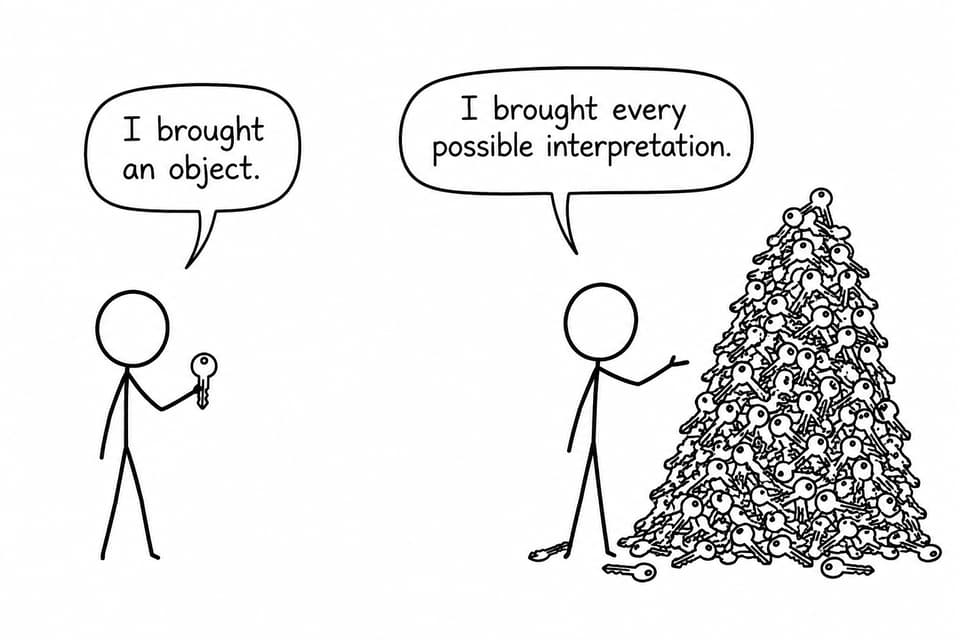
The exhibition asks you to show how TOK appears in the world. That is why specific objects matter. A generic category such as “a smartphone” provides little context. Your own phone displaying a particular automated translation, with a date and real-world setting, offers more to analyse.
All three objects must connect to the same selected exhibition prompt, but each should make a distinct contribution. If your prompt concerns disseminating knowledge, possible objects could include a corrected community notice, a recommendation generated by a particular social-media account, or a public-health leaflet distributed locally.
Test each object by asking:
- Can I identify the exact object and its context?
- Can I connect it to every important part of the prompt?
- Does it reveal something different from my other objects?
- Am I analysing knowledge rather than describing a social issue?
Strong commentary explains what the object reveals. It does not merely describe the object or announce that technology has advantages and disadvantages. Use RevisionDojo's step-by-step TOK exhibition guide to move from possible ideas to a focused commentary.
How themes connect to the TOK essay
The essay and exhibition reward different habits. The exhibition begins with objects situated in real contexts. The essay begins with a prescribed title and normally develops its argument through areas of knowledge.
Optional themes can provide examples or perspectives, but they should not replace close analysis of the title. A title about interpretation might lead you to ideas from knowledge and language, followed by a comparison of interpretation in history and the arts.
Before writing, clarify important terms, identify assumptions, choose contrasting examples and consider counterclaims. RevisionDojo supports this process through TOK Study Notes, AI Chat, Coursework Library examples and Tutors. Its planning and Grading tools can help test whether each paragraph answers the title instead of merely sounding philosophical.
A practical DP1 action plan
Do not wait for assessment season to collect TOK material. Build a weekly habit that takes ten minutes:
- Save one specific object, claim or event from class or daily life.
- Record where it came from and why its context matters.
- Connect it to one theme and one TOK concept.
- Write one knowledge question about it.
- Add a competing perspective or limitation.
RevisionDojo's wider toolkit can support your Diploma Programme through its Questionbank, Flashcards, Predicted Papers and Mock Exams. For TOK, however, the most valuable habit is preserving good ideas before you forget why they seemed interesting.
The themes are not separate boxes to memorize. They are lenses that make ordinary objects intellectually visible. A map becomes a claim about representation. A translation becomes a record of choices. A search result becomes a question about authority.
Save promising prompts, object photographs and context notes in RevisionDojo's exhibition planner as you encounter them. That small habit gives your future self something genuinely useful: a considered shortlist, clearer analysis and fewer rushed decisions near the deadline.