
If IB English Language and Literature sometimes feels like you’re carrying a library in your head, you’re not imagining it. There are texts, contexts, techniques, global issues, authorial choices, and the quiet pressure of saying something smart on a timer.
This is exactly why Flashcards work so well. Not because they make English “easy,” but because they make your thinking retrievable. When exam stress shrinks your working memory, a good set of Flashcards gives you handles: a quote, a device, an effect, a mini-thesis you can actually use.
A quick checklist: what the best Flashcards include
Before you build (or download) anything, use this short filter. The best Flashcards for IB English Lang & Lit usually have:
-
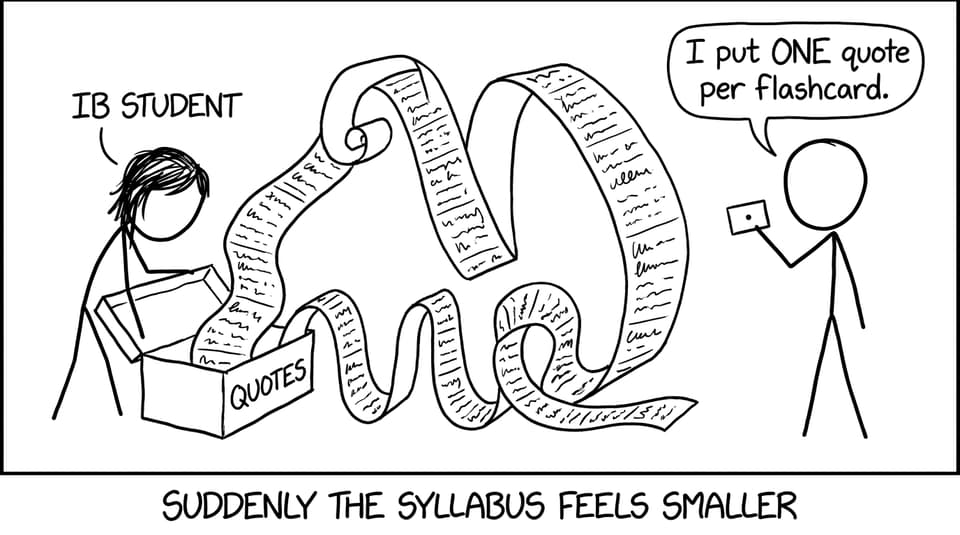
One idea per card (definition, quote, claim, context detail)
-
Active recall prompts (“How does this technique shape meaning?”)
-
Exam alignment (Paper 1 skills, Paper 2 comparisons, HL Essay depth)
-
Tiny examples (a micro-quote, a line reference, or a specific moment)
-
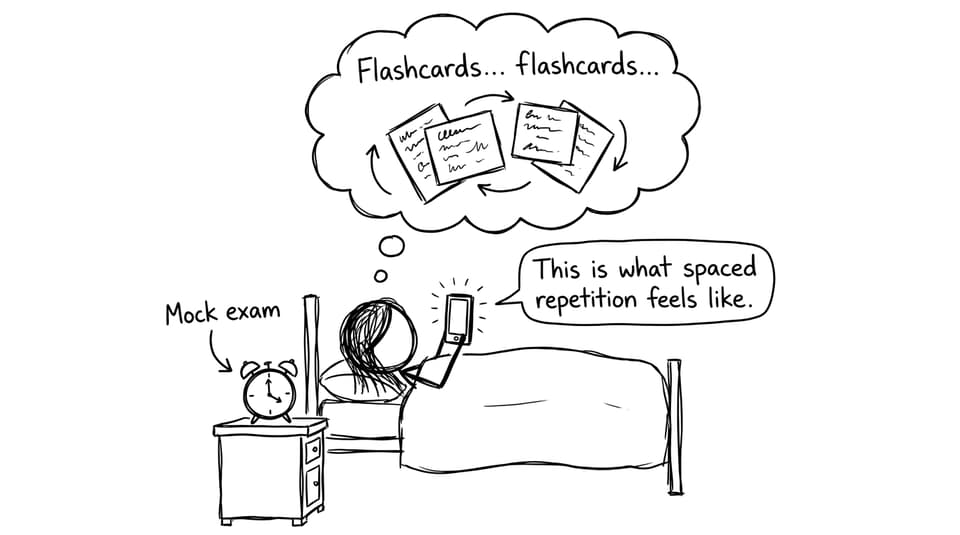
Spaced repetition so you review at the right time, not “when you feel like it”
If you want a ready-made, syllabus-aligned starting point, browse IB Flashcards with Spaced Repetition (SRS) and then narrow into your course hub like IB English A Lang & Lit Resources.
Why Flashcards work for IB English (even if you’re “not a memoriser”)
English is not about memorising. But exams reward students who can reliably recall the building blocks of analysis: precise terminology, brief evidence, and repeatable paragraph logic.
Used well, Flashcards train two exam-winning habits:
-
Active recall: You practise pulling ideas out of your head, not rereading notes.
-
Spaced repetition: You return to ideas right before they fade, which beats cramming every time.
Pair that with practice and feedback (RevisionDojo’s Questionbank, AI Chat, and Grading tools) and memory becomes skill: you remember what matters because you keep using it.
For a broader routine that connects recall to exam performance, keep IB English Study Techniques That Actually Work open as your weekly plan.
What to put on Flashcards for Paper 1, Paper 2, and HL Essay
The biggest mistake is making Flashcards that are too vague (“metaphor = comparison”). That won’t transfer into a top-band paragraph.
Flashcards for Paper 1 (unseen analysis)
Make cards that speed up your process:
-
Common text types + what they usually want (op-ed, speech, advert, memoir extract)
-
Technique-to-effect sentence stems (“This shift in tone positions the reader to…”)
-
Structure patterns (openings, pivots, contrasts, endings)
Then practise under exam-like constraints. A strong companion guide is IB English Paper 1: Best Ways to Prepare (Expert Guide).
Flashcards for Paper 2 (comparative writing)
Paper 2 rewards students who can quickly retrieve comparison “pairs.” Build Flashcards like:
-
Theme pair: “Belonging: Text A frames it as…, Text B frames it as…”
-
Technique pair: “Symbolism: object X vs object Y and what each reveals”
-
Quote pair: one short quote per text, both mapped to the same argument
If you want a deck that’s already organised around Paper 2 thinking, start with Flashcards for English Paper 2 - IB.
Flashcards for HL Essay depth
HL Essay success is often boring in the best way: narrow line of inquiry, consistent technique focus, precise evidence. Your Flashcards should reflect that:
-
Line of inquiry prompts (“How does narrative voice shape X?”)
-
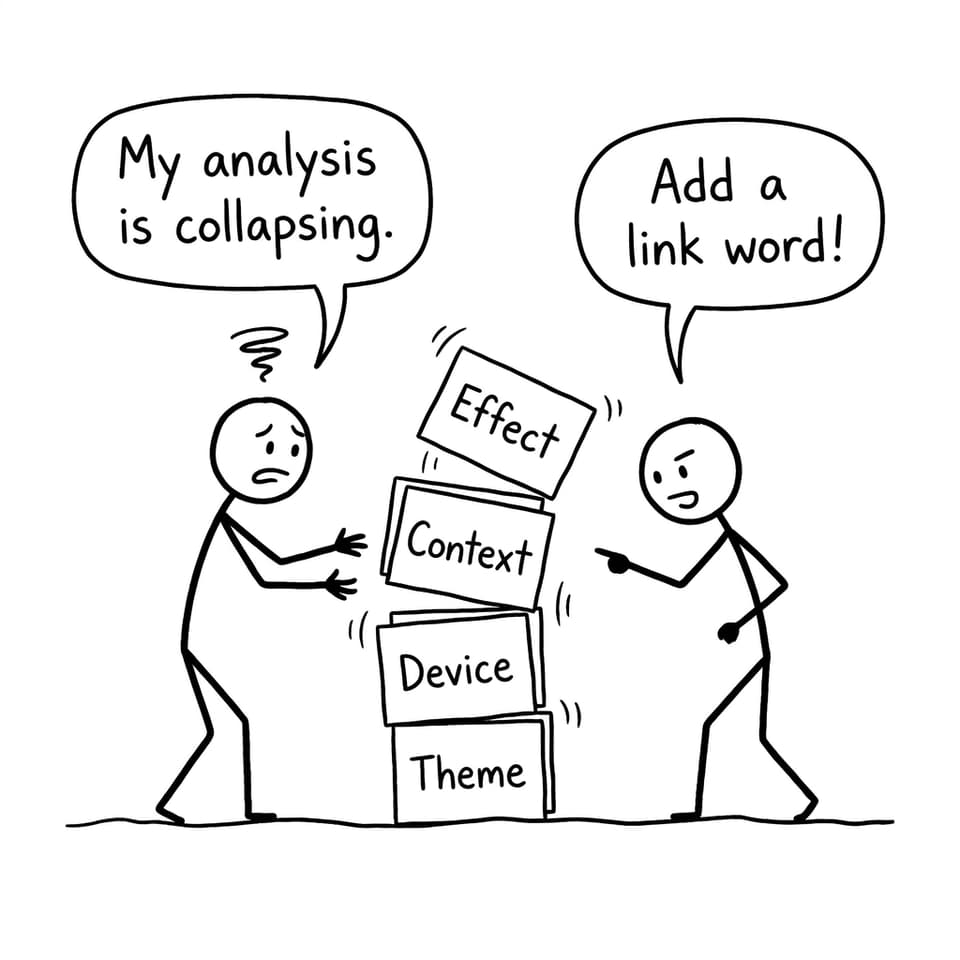
Evidence clusters (3 moments that work together, not 20 random quotes)
-
Thesis “upgrades” (turn a theme into a claim about authorial choice)
Helpful reading to steer that process: Understanding the HL Essay for IB English A and Crafting a Strong HL Essay Thesis.
The best Flashcards tools for IB English Lang & Lit
There are three realistic paths, and each fits a different student.
RevisionDojo Flashcards
RevisionDojo is built for the IB workflow: learn with Study Notes, remember with Flashcards, apply with the Questionbank, then tighten your writing using AI Chat and Grading tools. You can also scale up with Predicted Papers, Mock Exams, the Coursework Library, and Tutors when you need structure or feedback.
A good place to explore subject-specific content is the English Lang & Lit (Old) - IB Resources - RevisionDojo hub (and if you’re on the newer course, use IB English A Lang & Lit Revision Notes (SL/HL)).
Quizlet
Quizlet can be useful because it’s fast and familiar. The trade-off is quality control: many sets are user-made, so definitions can be shallow or misaligned. If you use it, treat it as a draft: rewrite cards into your own words and add “effect” and “meaning” prompts.
Brainscape / SRS apps
Apps with spaced repetition are excellent if you’ll be consistent. The best setup is a small daily habit: 10 minutes of Flashcards, then a short writing drill. Memory locks in when you use the ideas in paragraphs, not when you collect them.
A simple 15-minute Flashcards routine you can actually sustain
Try this loop for two weeks:
-
5 minutes: Review Flashcards (spaced repetition only, no scrolling)
-
5 minutes: Add 3 new Flashcards from today’s notes or teacher feedback
-
5 minutes: Write one mini-paragraph using one card (claim + evidence + effect)
If you need help turning messy notes into clean prompts, use Effective Note-Taking Strategies for IB English Language and Literature and then convert recurring weaknesses into Flashcards.
Final thought: make Flashcards your bridge to exam writing
The best Flashcards don’t just help you remember. They help you start a thesis faster, write a paragraph more cleanly, and make a sharper comparison.
If you want Flashcards that are actually built for IB English Language and Literature (and connected to Study Notes, Questionbank, AI Chat, Mock Exams, Predicted Papers, Grading tools, and Tutors), make RevisionDojo your study home base. Start with one deck today, and let small reviews compound into calm exam confidence.