
Introduction
One of the biggest revision mistakes IB students make is choosing the wrong revision order.
Many students revise:
- What they enjoy first
- What feels easiest
- What they’re most worried about
The result is often:
- Burnout
- Peaking too early
- Weak performance in later exams
The smartest students revise in an order that matches how IB exams actually work.
Why Revision Order Matters More Than Hours
IB exams are not evenly demanding.
Some subjects:
- Require early mastery
- Are heavily affected by fatigue
- Need sustained performance
Revision order determines:
- Energy levels
- Retention
- Consistency across exams
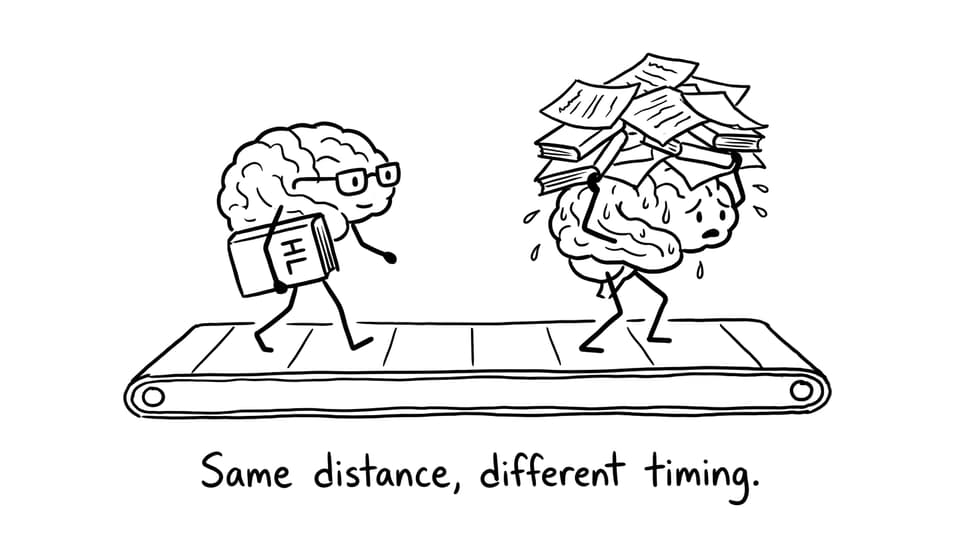
Wrong order = wasted effort.
The Golden Rule of IB Revision Order
Revise the most demanding subjects earliest — not latest.
Demanding subjects include:
- Heavy content subjects
- Calculation-heavy subjects
- Writing-heavy subjects
Leaving these until late increases fatigue and lowers accuracy.
What to Revise First
Start with subjects that:
- Have multiple papers
- Require long concentration
- Are hardest to improve quickly
Early revision should focus on:
- Core understanding
- Exam technique
- Weak foundations
This gives you time to fix problems properly.
What to Revise in the Middle Phase
The middle phase should focus on:
- Mixed practice
- Exam-style questions
- Switching between subjects
This builds:
- Flexibility
- Mental stamina
- Confidence under pressure
Avoid revising one subject in isolation for too long.
What to Revise Last
Final revision should prioritise:
- Lighter subjects
- Skills-based subjects
- Consolidation, not learning
The goal at the end is:
- Accuracy
- Calmness
- Confidence
Heavy content learning late almost always backfires.
The Biggest Revision Order Mistake
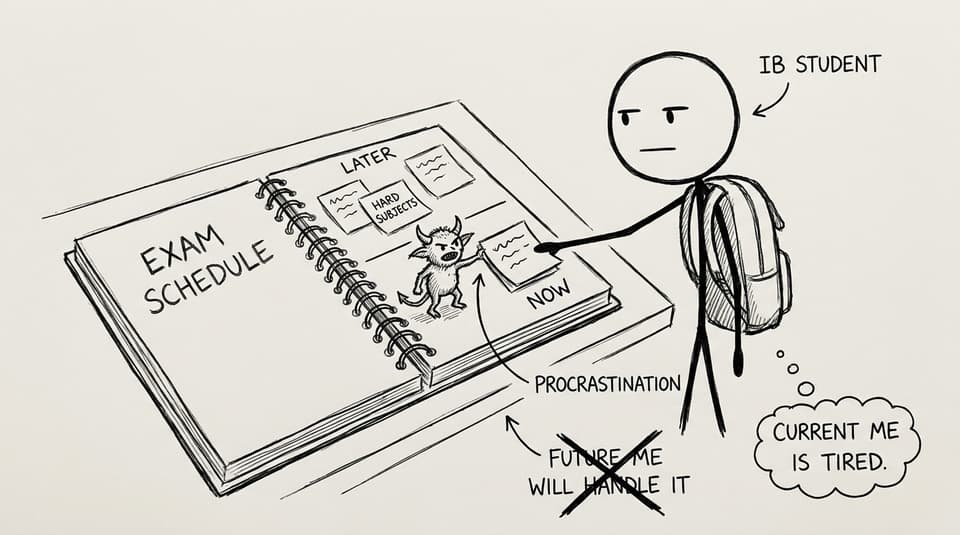
The biggest mistake is saving the hardest subject “for later.”
Later rarely comes with:
- Energy
- Focus
- Motivation
Hard subjects need time, not urgency.
How High-Scoring Students Structure Their Revision Order
Top students:
- Front-load difficult subjects
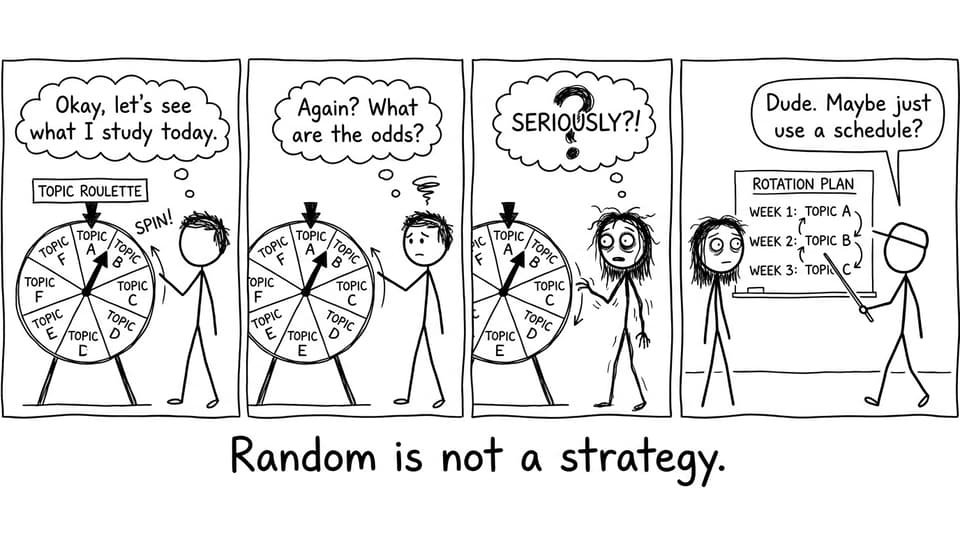
- Rotate revision to avoid fatigue
- Keep light subjects for later
- Adjust order as exams approach
They revise strategically, not emotionally.
Using the RevisionDojo Study Planner
The RevisionDojo Study Planner helps students:
- Identify which subjects to revise first
- Balance heavy and light subjects
- Avoid peaking too early
- Stay consistent across the exam period
Plan your revision order properly here:
https://www.revisiondojo.com/study-planner
RevisionDojo Call to Action
If revision feels exhausting, the issue is often order, not effort.
Use the RevisionDojo Study Planner to:
- Revise in the right sequence
- Protect energy
- Perform consistently
Start planning here:
https://www.revisiondojo.com/study-planner
Frequently Asked Questions (FAQ)
Should I revise my weakest subject first?
Yes—if it’s also demanding. Weak and demanding subjects benefit most from early revision.
Is it okay to revise easier subjects later?
Yes. Easier or lighter subjects are better suited to later-stage consolidation.
Should revision order change over time?
Yes. As exams approach, revision should shift from learning to consolidation.
Can revision order really affect grades?
Yes. Poor revision order leads to burnout and underperformance, even with strong ability.