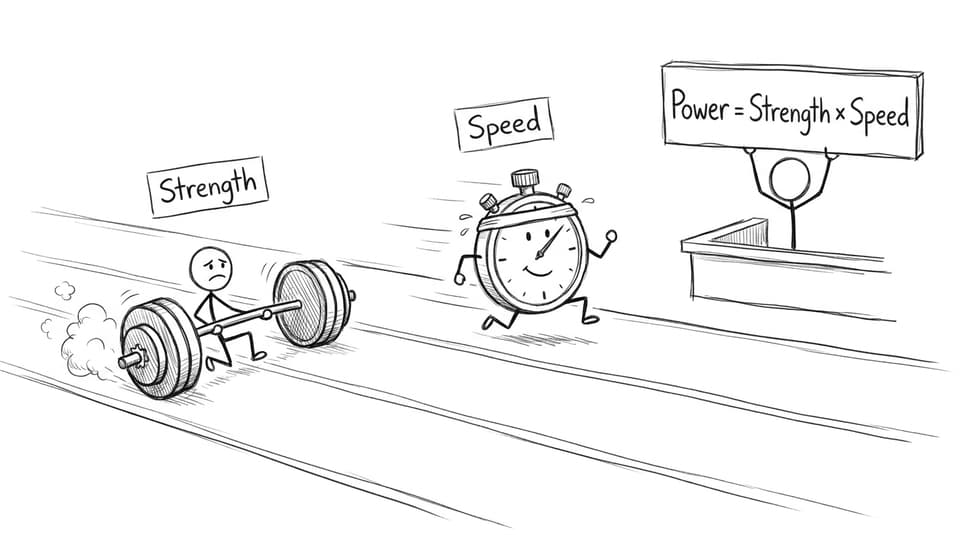


Strength vs power sounds like the kind of debate you could settle in the gym with a shrug. Then an IB SEHS question appears and suddenly the difference matters a lot. Because in IB SEHS, marks often live in the details you almost said: maximum force vs fast force, capacity vs rate, heavy vs explosive.
Below is the clean, exam-ready way to separate strength vs power, plus a couple of quick checks you can use before you write any answer.
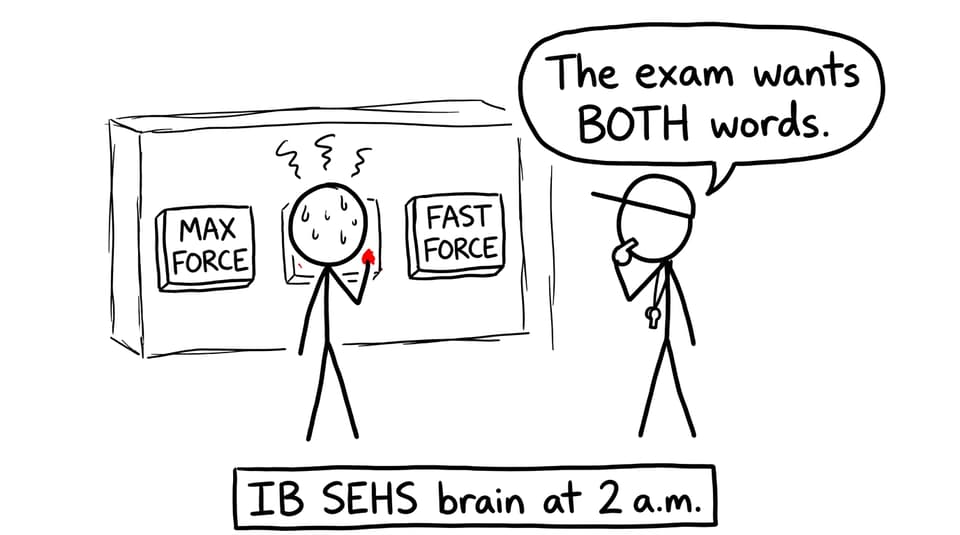
IB SEHS strength vs power: the 10-second checklist
-
Strength = maximum force a muscle/group can produce.
-
Power = ability to produce force quickly (strength + speed).
-
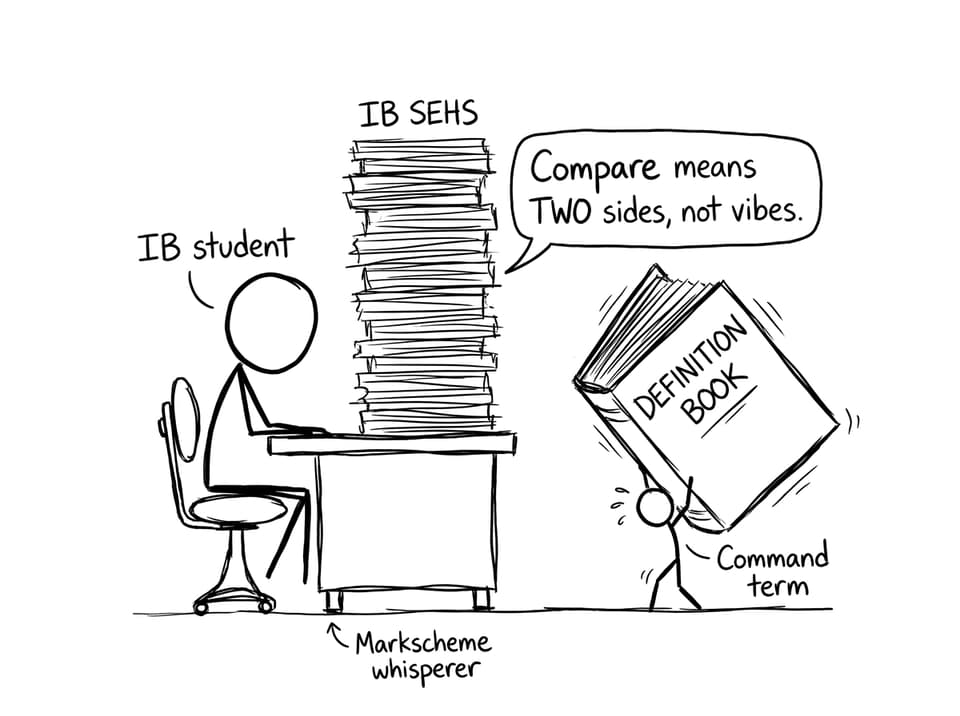
If the question says compare, you must mention speed of force production.
-
If the question asks apply, name a movement (jump, sprint, throw) and link it to the concept.
For more biomechanics context, keep the IB SEHS resource hub open as your home base.
What is strength in IB SEHS?
In IB SEHS, strength is the maximum force a muscle or muscle group can generate, regardless of how long it takes to produce it. It is about raw force capacity.
Think of strength as your “ceiling.” It shows up in slow, heavy, controlled actions or in isometric holds where force is high but speed is low.
Examples you can use in IB SEHS answers: